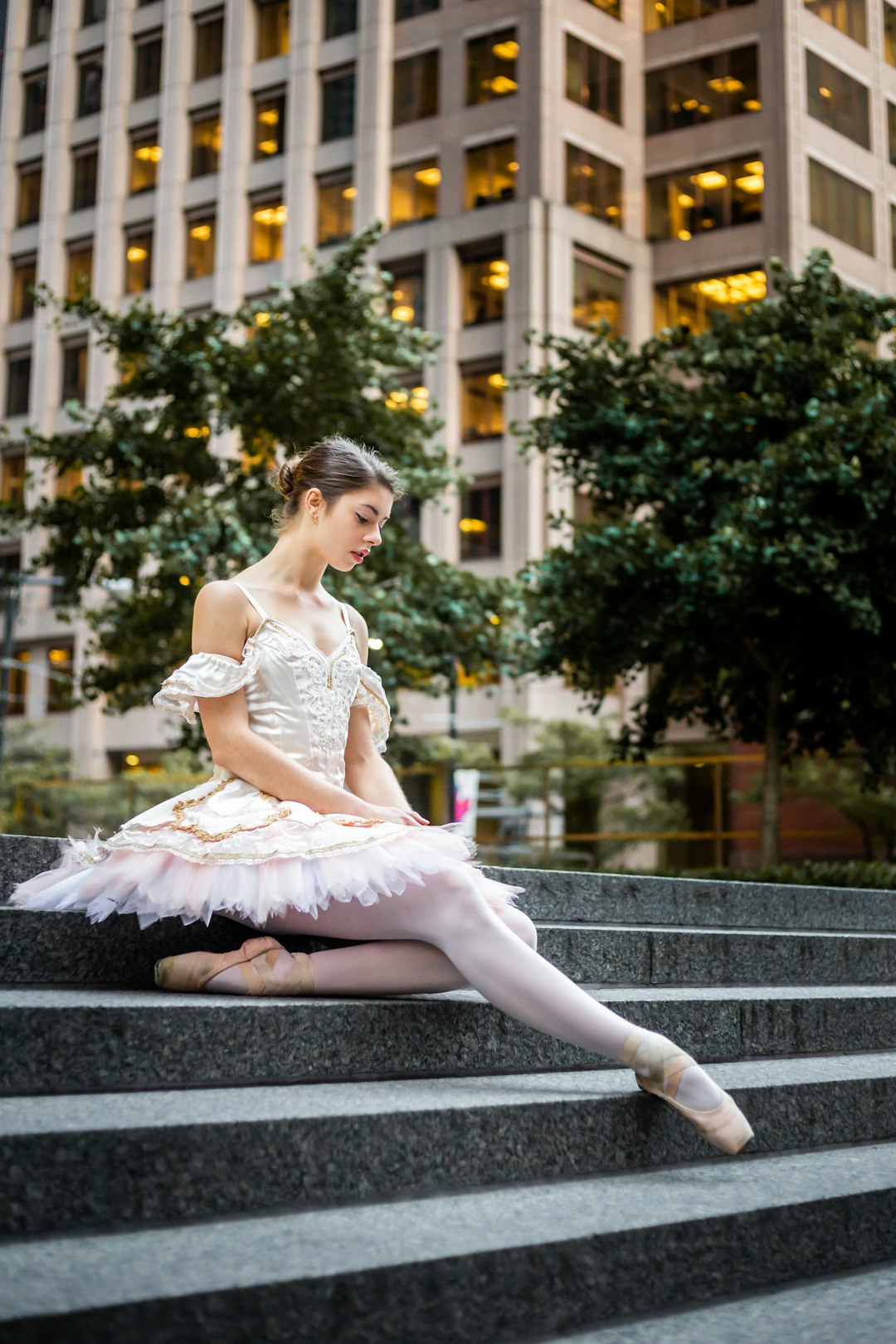
Introduction: What Flamenco Actually Demands
At three in the morning in a crowded peña in Jerez de la Frontera, a dancer steps forward. Her heels strike the wooden floor not as percussion, but as argument—each golpe answering the guitarist's challenge, each turn of her shawl (mantón) a sentence in a story centuries old. This is Flamenco: an art form forged in Andalusia through centuries of Roma, Moorish, Jewish, and Spanish cultural fusion, demanding not merely technical execution but duende—that raw, soul-baring emotional authenticity that separates performers from practitioners.
If you want to move from studio student to someone who commands that floor, practice alone won't suffice. You need práctica con propósito: practice with purpose. This guide maps the disciplined, multi-year journey from first steps to professional readiness, grounded in the technical, cultural, and spiritual realities of the form.
Understanding the Basics: A Structured Curriculum
Flamenco is not a single dance but a family of palos (musical forms), each with distinct emotional color, rhythmic structure, and movement vocabulary. Before aspiring to professionalism, you must build foundations across three integrated domains: dance (baile), rhythm (compás), and musical partnership (cante and toque).
Year One: The Architecture of Rhythm
The compás—Flamenco's 12-beat rhythmic cycle—is your first and forever language. Begin with Soleá por Bulerías, whose slower tempo reveals the count's architecture: 1, 2, 3, 4, 5, 6, 7, 8, 9, 10, 11, 12, with accents on 3, 6, 8, 10, and 12.
| Timeframe | Technical Focus | Cultural Integration |
|---|---|---|
| Months 1–3 | Marcaje (marking steps); basic braceo (arm positions); palmas (hand-clapping) | Attend live tablao performances; study cante structure |
| Months 4–6 | Introduction to zapateado (footwork); first llamada (entrance/call); vueltas (turns) | Learn to accompany with palmas; recognize palo differences by ear |
| Months 7–12 | Style differentiation: Alegrías (majestic, 12-count) vs. Bulerías (playful, fast) vs. Tangos (4-count, grounded) | Participate in juergas (informal gatherings); understand duende through witnessing |
Beyond Year One: The Professional Threshold
Professional dancers typically train 5–10 years before earning consistent paid work. The path continues through escuela bolera (classical Spanish influence), complex escobillas (footwork sequences), and—the decisive skill—improvisation within structure: responding in real-time to the singer's cante and guitarist's falsetas.
Consistent Practice: Protocols That Build Mastery
"Practice regularly" is meaningless without structure. Professional development requires deliberate protocols addressing Flamenco's unique physical and musical demands.
Daily Practice Architecture (60–90 Minutes)
Warm-up (15 minutes): Flamenco demands extraordinary ankle stability, core strength, and hip mobility. Begin with flamenco-specific conditioning: relevés in parallel and turned-out positions, port de bras with floreo (hand articulation), and palmas drills to internalize subdivision.
Technical Block (30–40 minutes): Isolate one element—perhaps the zapateado pattern for Alegrías—practicing at 60% tempo with metronome until clean, then incrementally increasing. Record yourself; professional growth requires objective self-assessment.
Musical Integration (15–20 minutes): Practice with recorded cante and toque, or better, live accompaniment. The goal is not merely staying on beat but conversing with the music—your llamada invites the guitarist's response; your desplante (stopping step) creates space for the singer's remate.
Physical Recovery (10 minutes): Flamenco's impact loading damages tissue without care. Ice baths, myofascial release, and targeted stretching preserve the career professionals need years to build.
Weekly Structure
| Day | Focus |
|---|---|
| 1–2 | Technique acquisition and refinement |
| 3 |










