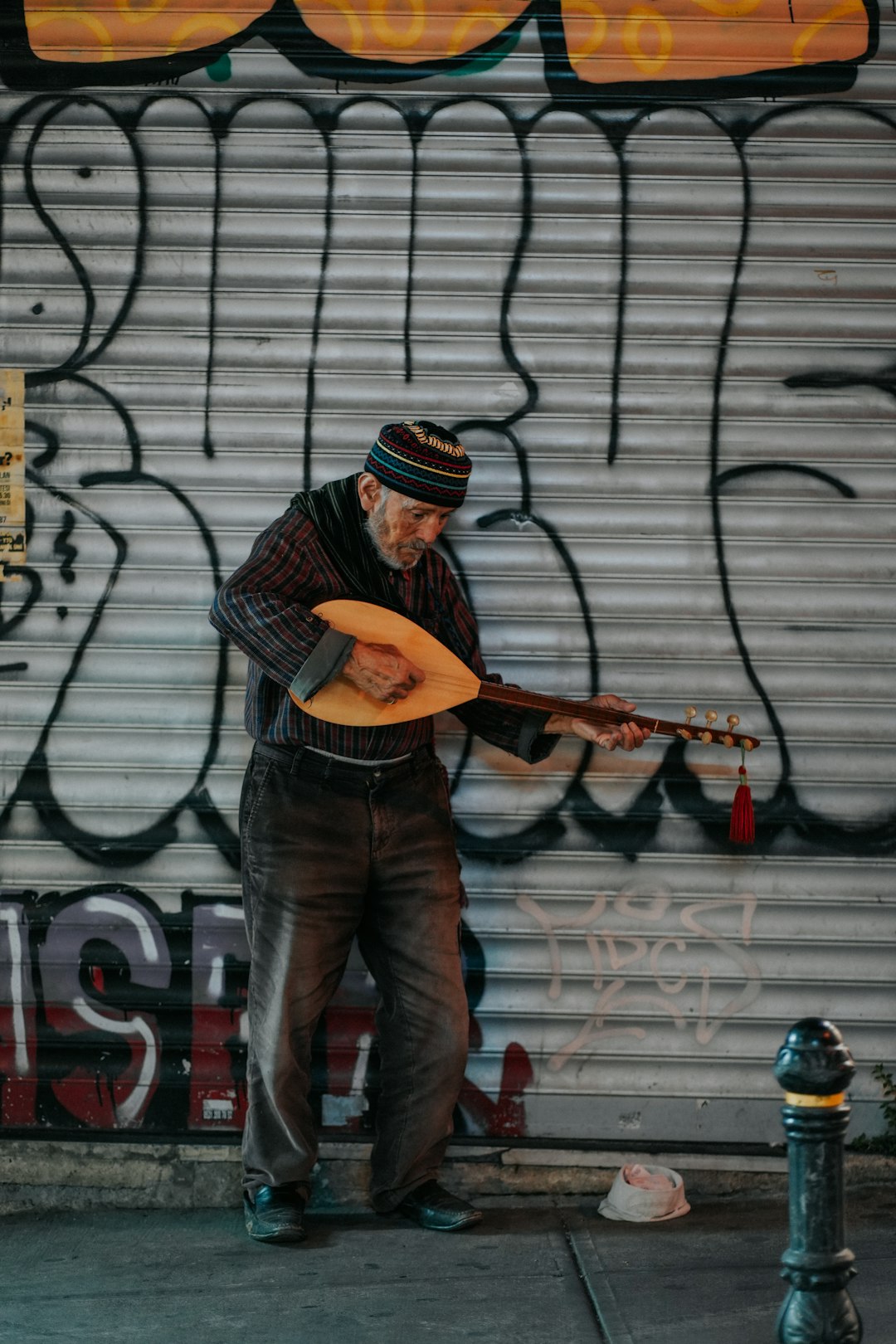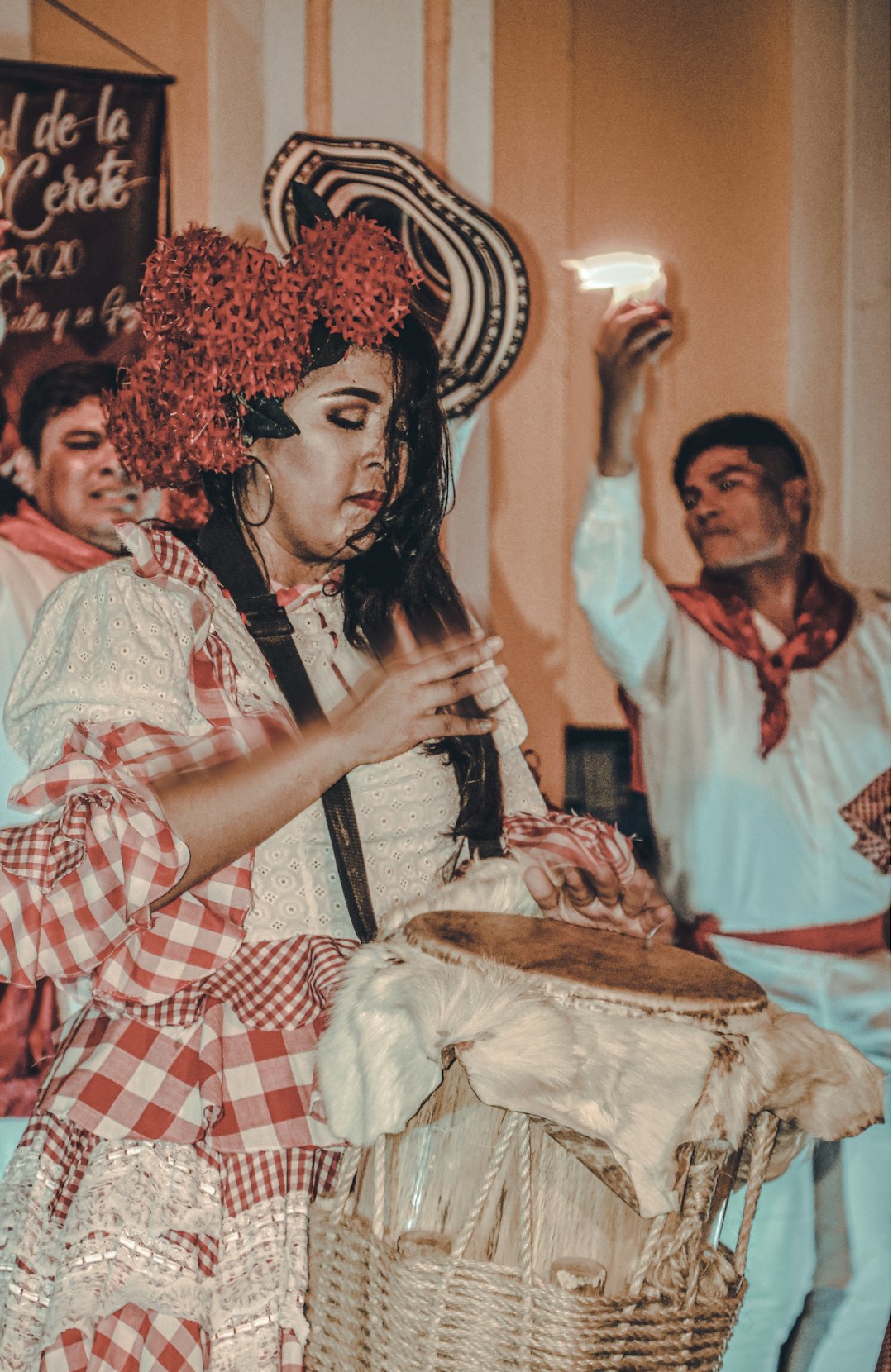
At 8 p.m. on a rainy January Saturday, the Oceanside Community Center smells of damp wool and rosin. Beneath a basketball hoop folded against the rafters, roughly 70 dancers in vintage loafers and suede-soled shoes are flying through Lindy Hop turns to a live jazz quartet. Five years ago, this building sat dark most weekends.
Now, Oceanside City—a Tillamook County town of about 360 residents, better known for tide pools and Three Arch Rocks National Wildlife Refuge—has developed one of the most concentrated swing dance communities on the Oregon coast. The 2024 Oceanside Swing Festival drew approximately 400 dancers from seven states, according to festival founder Jane Doe. That's a tenfold increase from the event's 2019 debut.
The Birth of a Scene
The revival began in 2019, when Doe and two other Portland transplants—Mark Smith, a retired software engineer, and Lisa Chen, a physical therapist—started hunting for a coastal town with affordable rent and an underused community gathering space. Doe, who had organized swing events in Portland for a decade, wanted to escape the city's escalating costs. What she found in Oceanside was a town eager for winter programming.
"It rains here eight months a year," Doe said. "People want a reason to leave their houses."
The trio launched weekly swing nights at the community center that March. They charged $5 at the door—less than the cover at any Portland venue—and offered a free beginner lesson before the social dance. By month four, attendance had doubled. By month eight, they were turning people away from the fire-code-limited hall.
What Kind of Swing, Exactly
Oceanside's scene leans heavily toward Lindy Hop, the athletic 1930s partnered dance born in Harlem's Savoy Ballroom, with smaller contingents of Balboa and East Coast Swing dancers. The local sound is distinct: a Portland-based jazz collective called the Wet Coast Quartet has become the scene's de facto house band, mixing traditional swing standards with original compositions that nod to the Pacific Northwest's logging and maritime history.
Dancers here also developed a small regional quirk. Because many attendees come straight from beach walks or tide-pooling, the community center maintains a shoe-exchange basket near the entrance. "You'll see people dancing in socks because they didn't want to track sand onto the floor," said Chen, now co-director of the Oceanside Swing Club.
A Contested "Renaissance"
The growth has not been frictionless.
Local business owners are divided on whether the dance scene has delivered meaningful economic impact. Bob Martel, who runs the Sand Dollar Inn, said festival weekends fill his six rooms months in advance. But Karen Yoo, owner of the Oceanside Grocery and Deli, said the benefit is overstated. "Dancers bring their own snacks. They don't eat at my place," Yoo said. "It's nice energy, but it doesn't pay my rent."
The city itself has provided limited direct support. The community center is rented to the swing club at standard nonprofit rates; no dedicated dance funding exists in the municipal budget. Mayor Tom Hendricks calls the scene "a pleasant surprise" but cautions against overstating official investment. "We're a city of 360 people. Our focus is water infrastructure and road maintenance," Hendricks said.
Building Something, Maybe
What the scene lacks in institutional backing, it has developed in grassroots infrastructure. Two dedicated dance studios now operate in town: Sea Legs Dance Hall, opened by Smith in a converted bait-and-tackle shop in 2021, and Coast Swing Studio, founded by Chen in 2023. Together they offer roughly 15 classes per week across Lindy Hop, Balboa, solo jazz, and beginner partner-dance fundamentals.
The annual festival, held each November, remains the calendar's anchor. The 2024 edition featured 18 workshops, four live band nights, and a grand ballroom competition judged by instructors from Seattle and Los Angeles. Organizers estimated that roughly 60 percent of attendees came from outside Oregon.
Whether this constitutes a "national movement" is debatable. Oceanside is not, by any mainstream dance-world metric, an epicenter on par with Seattle, Denver, or Asheville, North Carolina—cities with decades-old scenes and internationally recognized instructors. But within the Pacific Northwest's relatively small swing-dance ecosystem, it has become a destination. Regional dance forums and podcasts now reference "the Oceanside model" when discussing how small towns can sustain independent scenes.
Why It Stuck
Several factors explain Oceanside's unusual concentration of swing activity. The town's physical isolation—roughly 90 minutes from Portland, with no highway access—has paradoxically helped. Dancers who relocate here tend to stay, building long-term commitment rather than treating classes as a casual drop-in