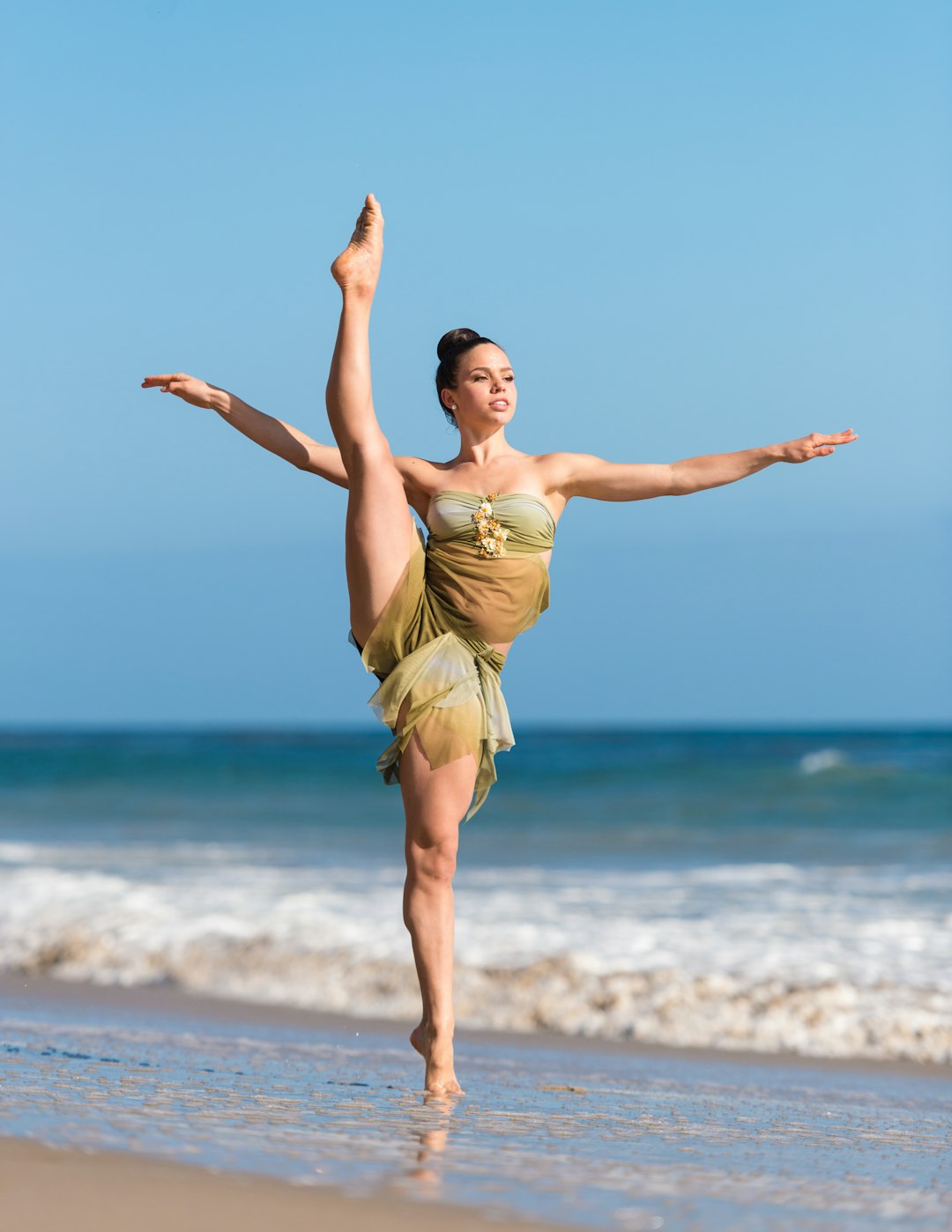
Imagine a dancer in Cairo, her performance once confined to a local venue, now being watched live by thousands across continents via a smartphone screen. This is the new reality for the ancient art of belly dance, an art form experiencing a profound renaissance through social media. Platforms like YouTube, Instagram, and TikTok have not only amplified its popularity but have fundamentally reshaped how it is learned, performed, and consumed, creating a vibrant, global digital community while introducing new complexities.
The Tutorial Revolution: Learning at Your Fingertips
The journey into belly dance once began at a studio door. Today, it starts with a search bar. Online tutorials have democratized access to instruction, shattering geographical and financial barriers. This revolution operates on two distinct tiers.
On one hand, platforms like YouTube host comprehensive, course-style tutorials from master instructors such as Sadie Marquardt or Zoe Jakes. These in-depth videos allow for structured, self-paced learning, covering everything from basic hip circles to the intricate layers of tribal fusion. On the other, the rapid-fire world of Instagram Reels and TikTok offers micro-lessons—60-second tips on a specific shimmy, veil work, or musicality. Hashtags like #bellydancetutorial and #raqstips aggregate this knowledge, creating a vast, searchable library.
This shift has transformed the student experience. Learners can now study diverse styles—from Egyptian Raqs Sharqi to American Cabaret—without leaving home. Furthermore, platforms like Patreon have enabled creators to build sustainable communities, offering tiered subscriptions for personalized feedback, curated choreography, and virtual classes, adding a layer of mentorship to the digital paradigm. However, this model lacks the immediate corrective feedback of an in-person teacher, posing a risk for ingraining incorrect technique, especially for complex isolations.
The Rise of the Virtual Stage: A Global Audience Awaits
Social media has redefined the very stage upon which belly dance is performed. The "digital hafla" (party) is now in constant session. Dancers broadcast live performances on Instagram Live or premiere polished pieces on YouTube, reaching audiences no physical venue could ever hold. During the pandemic, this virtual stage became a critical lifeline, allowing performers to maintain connection and income through digital tip jars and paid subscriptions.
This accessibility has been a powerful engine for popularity. A captivating performance by a dancer in Turkey can go viral, inspiring new enthusiasts in Brazil or Japan. It has also empowered dancers to control their narrative and build direct relationships with fans, fostering a sense of intimate, global community. For professionals, it has unlocked new revenue streams, from digital show tickets to increased bookings for in-person events discovered online. Yet, something is inevitably lost in translation: the palpable energy of a live show, the symbiosis between dancer and live musicians, and the shared atmosphere of a collective audience.
Navigating the Nuances: Challenges in a Digital Landscape
The social media boom is not an unqualified good; it presents distinct challenges that the community actively navigates. A primary concern is cultural context. When complex dance traditions are condensed into trending 30-second clips, there is a risk of divorcing movements from their rich cultural and musical heritage, leading to appropriation or oversimplification.
Furthermore, the algorithm's influence is undeniable. Platforms often reward trends, which can prioritize flashy, fusion-based styles over more traditional, subtle forms. This can skew public perception of what belly dance "is" and create pressure on dancers to conform to viral aesthetics rather than deep, technical study. The very nature of learning from a screen, while accessible, can also promote a "checklist" mentality towards moves, potentially at the expense of emotional expression and nuanced musical interpretation.
A New Chapter for an Ancient Art
In conclusion, social media has acted as a powerful catalyst, propelling belly dance onto a global digital platform. It has democratized learning through online tutorials and created unprecedented performance reach via the virtual stage, fostering a connected, international community. Yet, this transformation is multifaceted. As the art form thrives online, it must consciously engage with the challenges of preserving cultural depth, technical integrity, and the irreplaceable magic of live connection. The future of belly dance lies in a hybrid model—leveraging the immense reach and accessibility of the digital world to fuel appreciation, while continuing to cherish and support the rooted, communal traditions from which it sprang. The dance has not just adapted to the digital age; it is evolving with it, one share, like, and stream at a time.




visiting this site dailly and get good information from here daily.