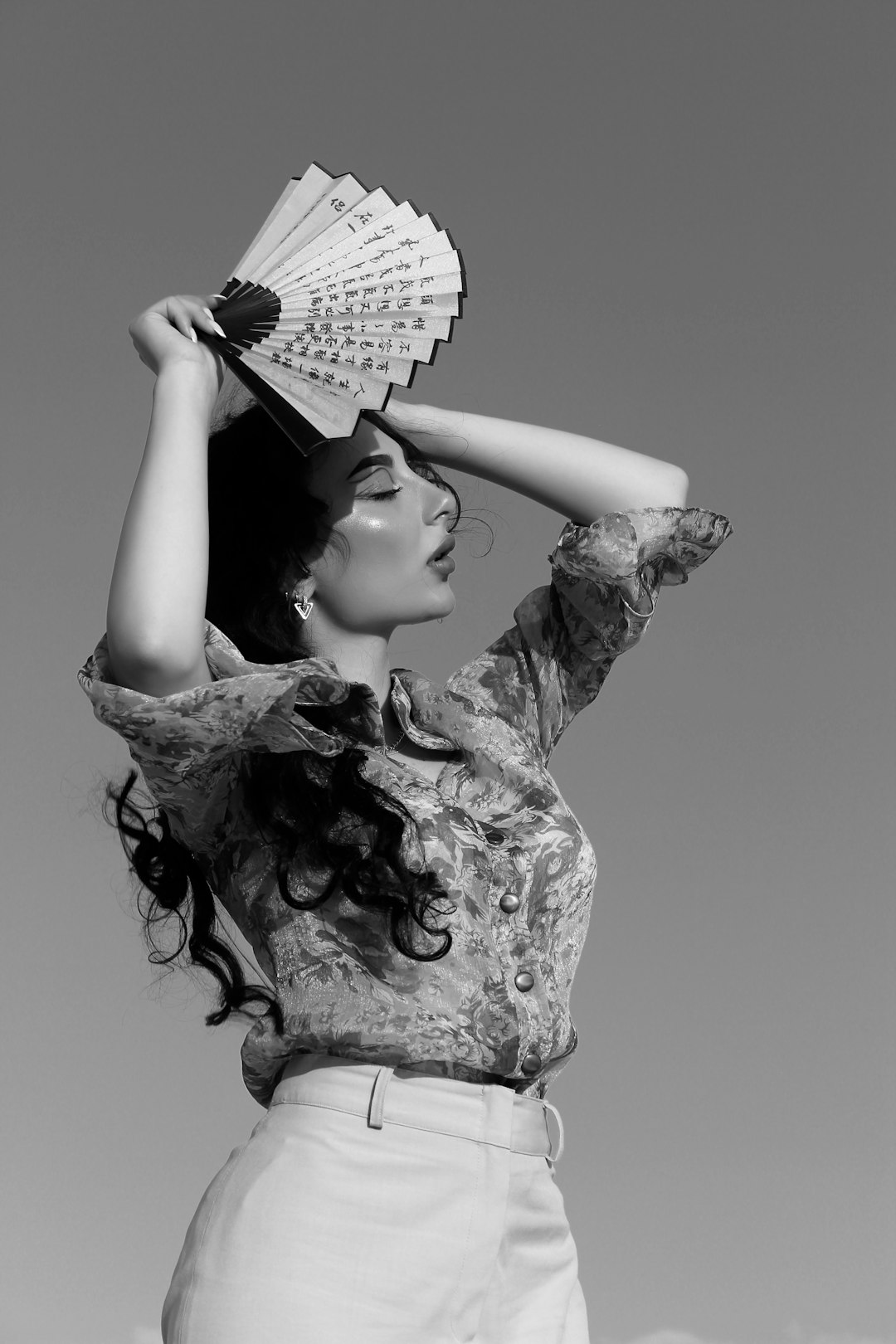
In a cramped studio on 42nd Street, a sixteen-year-old executes a Fosse-style hinge—spine parallel to the floor, fingers splayed in stylized jazz hands. The position is unmistakably theatrical, yet deeply personal. For three counts, she holds the tension between vulnerability and control, then releases into a sequence of hip isolations that would feel at home in a 1920s Harlem ballroom. This is jazz dance: a century-old conversation between heritage and individual voice, still evolving with every dancer who steps into it.
Roots in Motion
Jazz dance emerged from the collision of African movement traditions and American social history. In the Savoy Ballroom of 1920s Harlem, dancers like Shorty Snowden and later Katherine Dunham forged techniques that blended polyrhythmic footwork with the fluid torso isolations of West African dance. Unlike the verticality of ballet, jazz demanded groundedness—knees bent, weight shifted, pelvis engaged. This physical vocabulary carried cultural memory: the ring shout, the cakewalk, the improvisational spirit of jazz music itself.
For contemporary dancers, this lineage offers more than technique. It provides a framework for understanding how the body can carry history. When a dancer executes a jazz square or drops into a deep second-position plié, they are not merely reproducing steps—they are participating in a tradition that has always prioritized individual interpretation within collective form.
The Body as Statement
What distinguishes jazz from other concert dance forms is its appetite for contradiction. A single phrase might demand the precision of ballet, the groundedness of African dance, and the theatrical presentation of Broadway—all within eight counts. This hybridity creates space for identity to emerge through choice.
Consider the evolution of commercial jazz on So You Think You Can Dance. Dancers like Comfort Fedoke or Mark Kanemura built followings not through technical uniformity but through distinctive personal style—how they attacked a turn, where they placed emphasis in a syncopated rhythm, whether they chose sharpness or fluidity in transition. The form rewards differentiation. Unlike classical ballet, where deviation from ideal lines registers as error, jazz often treats deviation as innovation.
This permissiveness extends to emotional expression. The same movement vocabulary can communicate joy, defiance, grief, or seduction depending on the dancer's intention. For young people navigating identity formation—particularly those whose bodies or backgrounds fall outside dominant norms—this plasticity matters. The body becomes a site of authorship rather than conformity.
Finding the Collective
Jazz dance has always been social. From the Lindy Hop's partner dynamics to the unison precision of a Bob Fosse ensemble, the form generates community through shared physical experience. Contemporary studios replicate this function in secular form. For teenagers estranged from traditional community structures—whether by geography, identity, or circumstance—rehearsal rooms offer alternative belonging.
The mechanism is physiological as much as social. Synchronized movement releases endorphins and promotes what researchers call "muscular bonding," the same phenomenon that binds rowing crews and military units. In jazz dance, this effect combines with the form's emphasis on individual showmanship within group structure. Dancers learn to stand out and fit in simultaneously—a skill that translates directly to navigating social worlds beyond the studio.
Discipline and Self-Making
The empowerment jazz dance offers is not merely expressive but earned. The form demands cardiovascular stamina, muscular control, and the cognitive capacity to layer multiple movement qualities simultaneously. A pirouette in jazz requires the same technical foundation as ballet, but executed with a different relationship to the floor and a different expectation of arrival. The turn doesn't finish; it launches the next movement.
This difficulty builds what psychologists call self-efficacy—the belief in one's capacity to execute behaviors necessary to produce specific outcomes. Unlike self-esteem, which can be inflated or fragile, self-efficacy is grounded in demonstrated competence. The dancer who masters a complex combination after weeks of failure has accumulated evidence of their own persistence and adaptability.
Moreover, jazz dance invites risk. Improvisation remains central to the tradition, whether in a class setting where students freestyle across the floor or in professional contexts where choreographers expect interpretive contributions. Each improvisational choice—what to emphasize, what to suppress, when to surprise the audience—represents a small act of self-definition.
The Continuous Present
Jazz dance persists because it refuses to fossilize. Where some classical forms police authenticity through adherence to historical precedent, jazz has always absorbed new influences—hip-hop, contemporary, social dance trends—without losing its recognizable core. This adaptability mirrors how identity itself functions: not as fixed essence but as ongoing negotiation between inheritance and invention.
The sixteen-year-old in the 42nd Street studio understands this intuitively. When she finishes her combination and catches her breath in the mirror, she sees someone shaped by tradition but not confined to it. The hinge she executed belongs to F