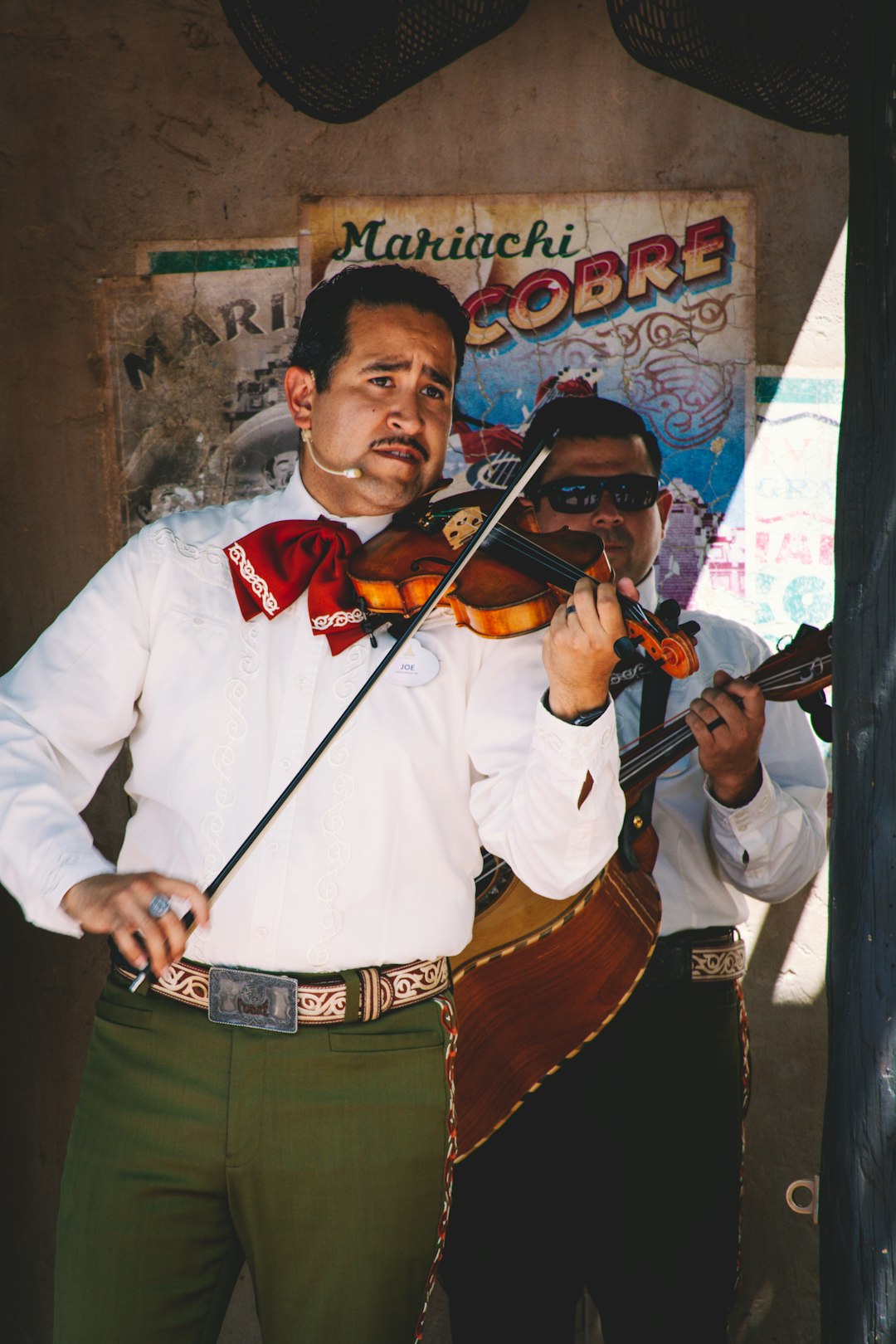
Maya Chen spent twelve years in corporate marketing before a Bulgarian kopanitsa workshop changed everything. At thirty-four, she began apprenticing with a master teacher in Plovdiv, cobbling together grant funding and translation apps. Five years later, she runs a respected Balkan dance company with steady school residencies and a small but loyal adult student base. Her story isn't unique—folk dance careers often bloom from unexpected soil. But they rarely grow by accident.
This guide maps two distinct paths: the performing artist seeking festival bookings and ensemble positions, and the dance entrepreneur building teaching practices or companies. Both require deep cultural knowledge, business acumen, and something rarely discussed in career guides: ethical clarity about the traditions you'll carry.
Before You Begin: Ethics and Cultural Responsibility
Folk dance differs fundamentally from concert dance. You're not inventing movement vocabulary—you're stewarding living traditions shaped by specific communities, often through generations of struggle and celebration. This responsibility precedes every career decision.
Do your lineage homework. Know exactly where each dance originated, who danced it and why, and how it traveled to you. Document your teachers and their teachers. This isn't academic box-checking; it's how you answer audience questions, negotiate respectful programming, and avoid reducing complex traditions to "exotic" entertainment.
Understand permission structures. Some dances are community property; others are owned by specific families or spiritual practitioners. In Native American powwow traditions, for instance, certain dances require tribal affiliation or explicit invitation. When in doubt, ask your teacher directly: "Under what circumstances is it appropriate for me to perform this publicly?"
Maintain reciprocity. If you're profiting from a tradition, how does that community benefit? This might mean hiring cultural consultants, donating performance proceeds, or simply ensuring your marketing language centers the tradition rather than your personal journey.
Phase One: Building Your Foundation
Immerse Yourself in Context, Not Just Steps
Effective research goes far beyond YouTube tutorials. Prioritize these approaches:
-
Language study. Even basic vocabulary transforms your understanding of dance structure. Bulgarian horo patterns mirror linguistic stress patterns; Yiddish dance names encode social function. Free apps get you started; community college classes build serious competency.
-
Ethnographic observation. Attend community events where the dance functions socially rather than performatively. Notice how elders move, how formations shift organically, what music choices signal. Record only with explicit permission, and never for performance replication without consultation.
-
Archival work. The American Folklife Center, UCLA's Ethnomusicology Archive, and immigrant cultural centers hold recordings unavailable online. These primary sources reveal pre-commercial versions and regional variations erased by standardized teaching.
-
Embodied apprenticeship. The most valuable learning happens through years of consistent study with a single tradition-bearer. This requires patience, gifts (bring food, assist with transportation), and acceptance that you may never be "finished."
Find the Right Mentors—Plural
Seek two distinct guidance relationships:
Technique mentors refine your physical execution. They correct alignment, build stamina for hours-long dancing, and train your ear for rhythmic subtleties. Look for performers with twenty-plus years in specific traditions, not general "world dance" instructors.
Cultural knowledge keepers provide the context technique cannot. They explain why Romanian hora speeds accelerate at weddings, or how Palestinian dabke patterns encode village identity. These relationships require deeper investment—attending family events, learning cooking traditions, demonstrating commitment beyond career utility.
Approach potential mentors with specific, humble requests: "I've been studying your recordings for two years. Would you consider observing my dancing and suggesting what I should prioritize?" Never ask "Will you mentor me?"—this vague request burdens busy tradition-bearers.
Train for Folk Dance's Physical Demands
Unlike ballet's bilateral symmetry, folk dance often requires sustained single-leg dominance, rapid directional changes, and floor patterns maintained while upper body remains relaxed. Standard gym training won't suffice.
-
Cross-train asymmetrically: Single-leg Romanian deadlifts, lateral lunges with rotation, and Turkish get-ups build the specific strength patterns you'll need.
-
Practice on varied surfaces: Festival stages range from sprung wood to concrete covered in Astroturf. Train barefoot on grass, in character shoes on tile, in boots on uneven ground.
-
Record yourself monthly: Video reveals discrepancies between how traditional movement feels and how it reads. Compare your footage with archival recordings of community dancers, not polished stage performances.
Phase Two: Professional Development
Build Two Portfolios
Folk dance careers require distinct documentation for different opportunities:
Performance reel (2-3 minutes):
- Open with your strongest traditional material, unedited, showing sustained dancing
- Include one "creative fusion" piece only if you're explicitly seeking contemporary choreographer positions
- Close with ensemble