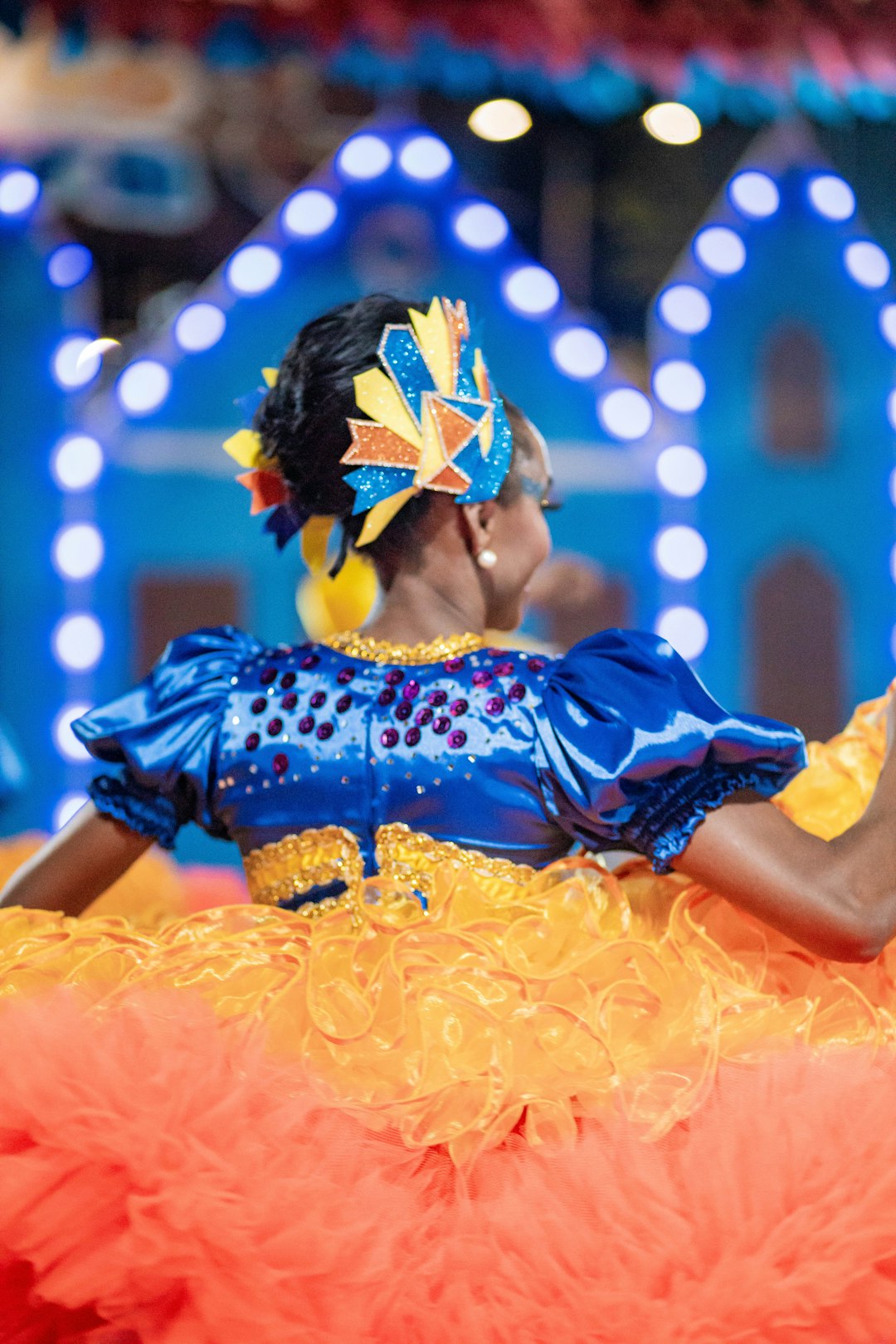
The guitarist strikes an A-minor chord. In the front row of the tablao, a woman in her sixties—weekly attendee, never performer—rises. Her hands lift to frame her face in the classic floreo position, and for four minutes, she is not a retired accountant managing arthritis and widowhood. She is duende itself: the raw, ungovernable spirit that Andalusian poets have chased for centuries.
This is flamenco not as spectacle, but as metamorphosis.
Beyond Footwork: Understanding Flamenco's Living Tradition
To reduce flamenco to "dance" is to mistake the visible tip for the submerged mass. Born in the marginalized quarters of 18th-century Andalusia—where Moorish, Jewish, and Gitano communities converged under the pressure of Spanish unification—flamenco comprises four inseparable elements: cante (song), toque (guitar), baile (dance), and jaleo (the spontaneous vocal encouragement that binds performer and audience into shared catharsis).
The form's survival itself testifies to its adaptive resilience. Suppressed during Franco-era campaigns against "degenerate" culture, flamenco rebounded after 1975 to achieve UNESCO Intangible Cultural Heritage status in 2010. Yet its most significant transformations occur not on institutional stages, but in community centers, prison workshops, and trauma recovery programs—spaces where flamenco's formal rigor meets human brokenness.
The Body Remembers: Flamenco as Cultural Recovery
For practitioners disconnected from ancestral knowledge, flamenco offers something rare in our deracinated age: embodied continuity. The zapateado—percussive footwork of heel, toe, and ball—replicates patterns that crossed the Mediterranean with Roma migration routes. The bata de cola, the long-trained dress requiring precise manipulation, preserves textile traditions predating industrial manufacturing.
María José López, a bailaora in Seville's Triana district, describes her weekly classes for descendants of Spanish Civil War exiles: "These women arrive knowing nothing of their grandparents' villages. But when they learn the sevillanas, something unlocks. The shoulder position, the wrist rotation—their bodies recognize what their minds never learned."
This is not nostalgia but active reconstruction. Flamenco permits what historian Pierre Nora called mémoire rather than histoire: memory experienced through gesture rather than archived in documents.
Defiant Grace: Empowerment Through Visibility
The Roma-Gitano relationship to flamenco demands particular nuance. While often conflated, Spanish Gitanos constitute a distinct population with centuries of rootedness in Iberia, separate from broader European Roma migrations. For this community, flamenco has functioned simultaneously as economic survival strategy and resistant self-definition.
Consider Carmen Amaya in 1952: the first Romani artist to perform for a Spanish head of state, wearing trousers in an era when female dancers were bound to batas de cola, her zapateado so percussive she reportedly damaged stage flooring. For Gitano communities emerging from Franco-era suppression, her visibility offered a template for dignified self-assertion that did not require assimilation.
Contemporary initiatives extend this legacy. In Madrid's Lavapiés neighborhood, the Asociación Gitanas por el Flamenco trains young Romani women in traditional cante forms historically dominated by male performers. "The cante jondo—the deep song—was always ours," explains coordinator Lucía Heredia. "Reclaiming it publicly is reclaiming our narrative from gitanería stereotypes."
The empowerment operates intersectionally as well. Programs in Barcelona and London specifically serve LGBTQ+ practitioners, using flamenco's gender-fluid bata de cola traditions—where male dancers historically performed female roles—to explore identity beyond binary constraints.
The Peña as Third Space: Community Architecture
Flamenco's social infrastructure resists isolation. The peña—local clubs where amateurs and professionals share tablao space—creates what sociologist Ray Oldenburg termed "third places": neither domestic nor commercial, but sites of sustained, voluntary association.
In Jerez de la Frontera, Peña Flamenca La Bulería operates continuously since 1968. Membership spans ages fourteen to eighty-seven. Weekly juergas (informal gatherings) require no audition; participation is the only credential. For retired fishermen, unemployed youth, and recent immigrants alike, the peña provides what member Antonio Molina calls "a family you choose, with better rhythm."
Research from the University of Granada