---
You Watched. You Loved. Now It's Time to Move
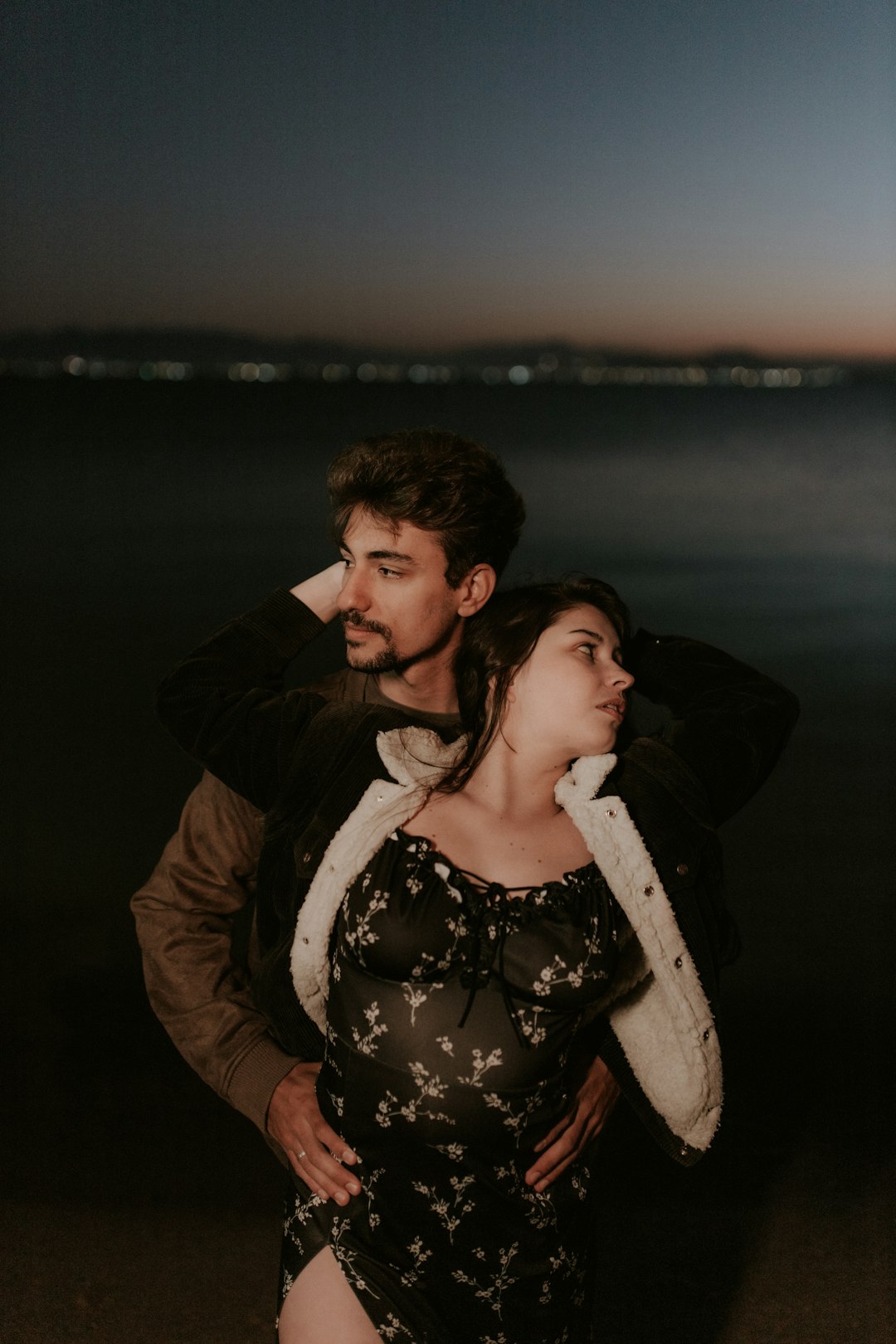
The first time you saw Cumbia up close, you couldn't look away. The energy in the room shifted — couples spinning, feet flying, the whole floor alive in a way that made your coffee feel boring. Someone grabbed your hand, dragged you in, and for thirty seconds you pretended to know what you were doing. You weren't great. But that didn't matter. You felt something.
That's usually how it starts. Not with a grand decision. Just a moment where standing on the edge stopped being an option.
Why This Dance Stick to Your Bones
Here's what nobody tells you about Cumbia: it's not actually about learning moves. It's about discovering a heartbeat you didn't know you had.
The rhythm of Cumbia lives in most of us already — it's in every song you've ever bobbed your head to, every time your foot tapped without thinking. The dance just gives your body permission to catch up to what your ears already knew.
You'll also get something unexpected out of it: real friends. Not the kind you collect on social media, but the kind who high-five you when you finally nail that turn you've been working on for three weeks. The kind who go with you to Taco Tuesday after class and somehow end up talking until the restaurant closes.
Finding Your People (Without the Awkward Trial and Error)
Not every studio will feel right. Here's how to spot the winners fast:
The vibe check: Walk in on your first visit and pay attention to whether people look like they're suffering through a workout or actually having fun. Bad signs: mirrors covering every wall, nobody smiling, instructor calling the class "soldiers." Good signs: music you recognize, people chatting between songs, someone offering you water.
The instructor matters more than you think: The best ones don't just teach steps — they make you feel like you're doing something right even when you're completely lost. Look for someone who adjusts individually without making you feel stupid in front of everyone.
Size isn't everything, but it matters: Big classes (20+ people) have energy — you feed off each other. Smaller classes (under 12) mean the instructor actually sees your feet. For beginners, I'd suggest starting small. You can always move to the chaotic fun section later.
Where Real People Actually Go
These aren't sponsored recommendations. These are places where students actuallycome back week after week:
Cumbia Craze Studio — The weekend workshops here are legendary. Instructors who've been dancing for twenty years and somehow still act like they discover something new every class. Beginners cluster here and don't feel ashamed to be bad at things.
Rhythm and Roots Dance Academy — The monthly socials are worth the price of admission alone. It's one thing to learn in class. It's another thing entirely to walk into a room full of people who specifically came to dance, not to watch. That's where actual skill builds.
Dance Fever Studio — Flexible scheduling for people whose jobs have opinions about their free time. The themed nights ("Cumbia Night Fever") are chaos in the best way. Nobody cares if you're new. Everyone just wants to move.
After Your First Class
Here's what happens: you'll be sore in places you forgot you had. You'll go home and watch YouTube videos of Cumbia at 1 AM. You'll realize you've been walking differently all week — little side steps when nobody's watching.
Go with it. That weird new confidence you're feeling? That's the whole point.
Your Turn
Find one class. Just one. Show up, mess up, have someone step on your toes, laugh about it.
That's how everyone in that room started. Including the people who look like they've been doing this their whole lives.
They just started first.