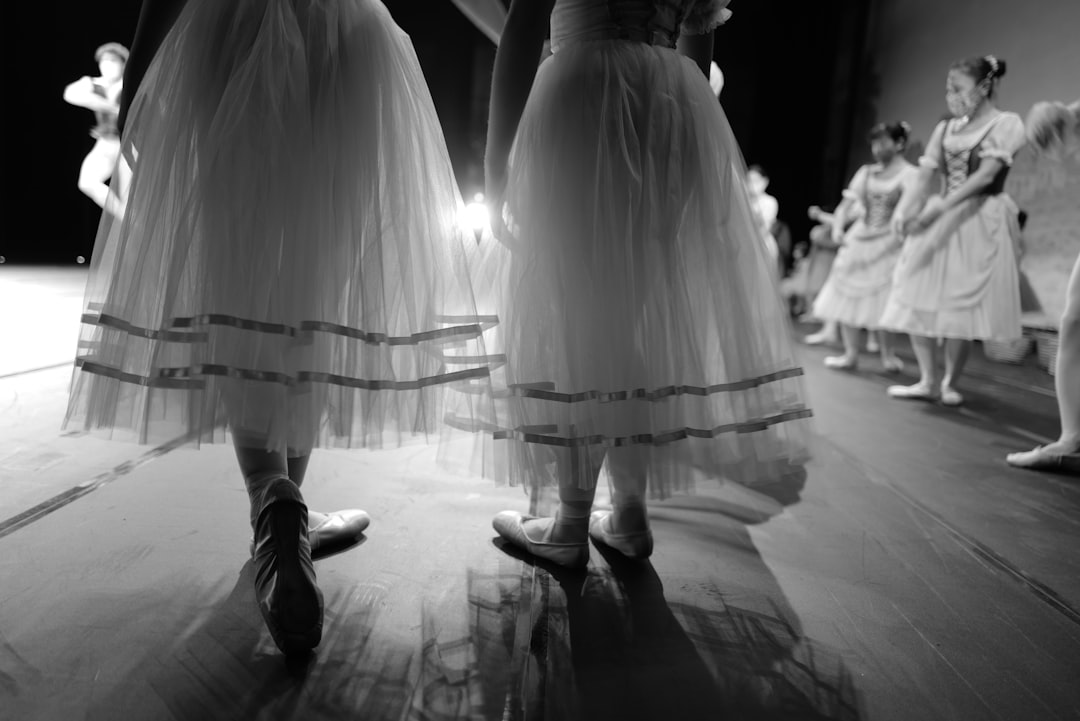
Hip hop dance didn't emerge from a studio—it was born in the Bronx during the 1970s, forged by African American and Latino youth who transformed block parties into cultural movements. Breaking, locking, popping, house, krump, waacking: these styles carry decades of history, community, and innovation. If you're serious about transforming your passion into a sustainable career, you need more than technique. You need cultural fluency, strategic planning, and the stamina to navigate an unforgiving industry.
This roadmap moves through five interconnected phases. Progress isn't strictly linear—many professionals cycle between skill-building, networking, and opportunity-seeking throughout their careers.
Phase 1: Build Your Foundation (With Cultural Context)
Before you can develop a personal style, you need to understand what you're building on. Hip hop dance is not monolithic. Each foundational style has distinct origins, techniques, and cultural codes:
| Style | Origins | Core Elements |
|---|---|---|
| Breaking | South Bronx, early 1970s | Toprock, downrock, freezes, power moves |
| Locking | Los Angeles, 1970s | Quick locks, points, splits, comedic presentation |
| Popping | Fresno, 1970s | Hits, waves, tutting, gliding, animation |
| House | Chicago/NYC, 1980s | Footwork, lofting, jacking, floorwork |
| Krump | South Central LA, 1990s | Chest pops, jabs, arm swings, emotional intensity |
| Waacking | Los Angeles gay clubs, 1970s | Arm lines, poses, musicality, dramatic expression |
Technical Priorities
Regardless of your chosen style, master these universal elements:
- Groove and musicality: The ability to sit in the beat, not just on it. Practice with funk, soul, hip hop, and electronic tracks to develop timing versatility.
- Foundational footwork: Two-step variations, running man, and style-specific basics (six-step for breaking, skate for house).
- Body isolations and control: Clean head, shoulder, rib, and hip isolations that demonstrate body awareness.
- Freestyle confidence: The ability to move without choreographed sequences—essential for battles and auditions.
Where to Train
Quality instruction matters more than quantity. Evaluate instructors by professional credits (touring, music videos, commercial campaigns) rather than competition titles alone. Prioritize:
- Major studios: Millennium Dance Complex (LA), Broadway Dance Center (NYC), Pineapple Studios (London), 1Million Dance Studio (Seoul)
- Cultural centers: Community organizations with authentic hip hop programming, often more affordable and culturally grounded than commercial studios
- Originators and pioneers: Seek workshops with first-generation dancers who carry undocumented history
Practice daily, even briefly. Twenty focused minutes beats two hours of unfocused repetition. Record yourself weekly to track progress objectively.
Phase 2: Expand Your Technical Range and Physical Capacity
Once fundamentals feel natural, push into complexity while protecting your most valuable asset: your body.
Skill Development
- Choreography retention and execution: Learn sequences quickly and perform them with full commitment. Take advanced classes that challenge your processing speed.
- Versatility across styles: A commercial dancer who only knows one style has limited shelf life. Add complementary techniques (contemporary for lines, ballet for alignment, jazz for performance quality).
- Musical interpretation: Move beyond counting 8s. Study how to dance to lyrics, instrumental layers, rhythmic counterpoints, and silence.
Physical Sustainability
This separates five-year careers from twenty-year ones:
- Cross-training: Strength training for explosive power; Pilates or yoga for core stability and mobility; swimming or cycling for cardiovascular endurance without joint impact.
- Injury prevention: Dynamic warm-ups before dancing, static stretching after. Learn basic anatomy—know your IT band from your rotator cuff.
- Professional support: Establish relationships with dance medicine specialists, sports massage therapists, and physical therapists before you need them. The Harkness Center for Dance Injuries (NYC) and similar institutions offer specialized care.
Performance Experience
Join a crew or company to develop ensemble skills and stage presence. If local options are limited, organize peer practice sessions with structured goals: battle preparation, showcase creation, or collaborative choreography.
Phase 3: Develop Artistic Identity and Professional Presence
Technical proficiency gets you noticed. Artistic distinction gets you hired repeatedly.
Finding Your Voice
- Study broadly, distill personally: Analyze why specific choreographers resonate. Is it musical choices? Spatial architecture? Emotional narrative? Borrow principles, not moves.
- Create and share work: Start small—freestyle sessions filmed on phones, choreography for friends, local showcase pieces. Quantity leads to quality.
- Document everything: Build an organized archive


