---
I almost didn't go that night. I'd thrown on my usual jeans and a plain t-shirt, the safe choice, the "I wasn't really trying" outfit. But my friend Maria grabbed my arm and said something I'll never forget: "You're going to dance Cumbia in that? Girl, your clothes don't match your vibes."
She was right. And more importantly, she was about to teach me that in Cumbia, what you wear isn't just about looking good—it's about feeling the music through your entire body.
The First Rule Nobody Tells You: Color Is a Conversation
Walking into that sala, I realized instantly why I'd felt so invisible in my neutrals. The dance floor was a explosion—sunflower yellows, electric reds, deep blues that seemed to pull the light from the walls. Flickering candles and colored lights caught every hue, and suddenly my gray t-shirt made me look like I was standing behind glass.
Cumbia doesn't asking for your permission to be bold—it demands your participation. The dance itself is a dialogue between dancer and music, and your outfit is how you open your mouth. Traditional Colombian Cumbia style leans heavily into bold colors and patterns: polka dots, stripes, florals that don't ask for attention—they command it.
I learned that night to stop dressing for the wallflowers and start dressing for the floor.
Fabric That Forgives You for Sweating
Here's what nobody warns you about: Cumbia will make you sweat. Not a light shimmer— we're talking dripping, need-a-towel kind of heat. The energy of the room, the moving bodies, the Latin humidity in any space where people are really dancing—it adds up.
That night in my stiff jeans, I was distracted within three songs. The waistband was gripping, the fabric was trapping heat, and every spin reminded me I wasn't wearing anything designed to move. I was fighting my clothes instead of dancing.
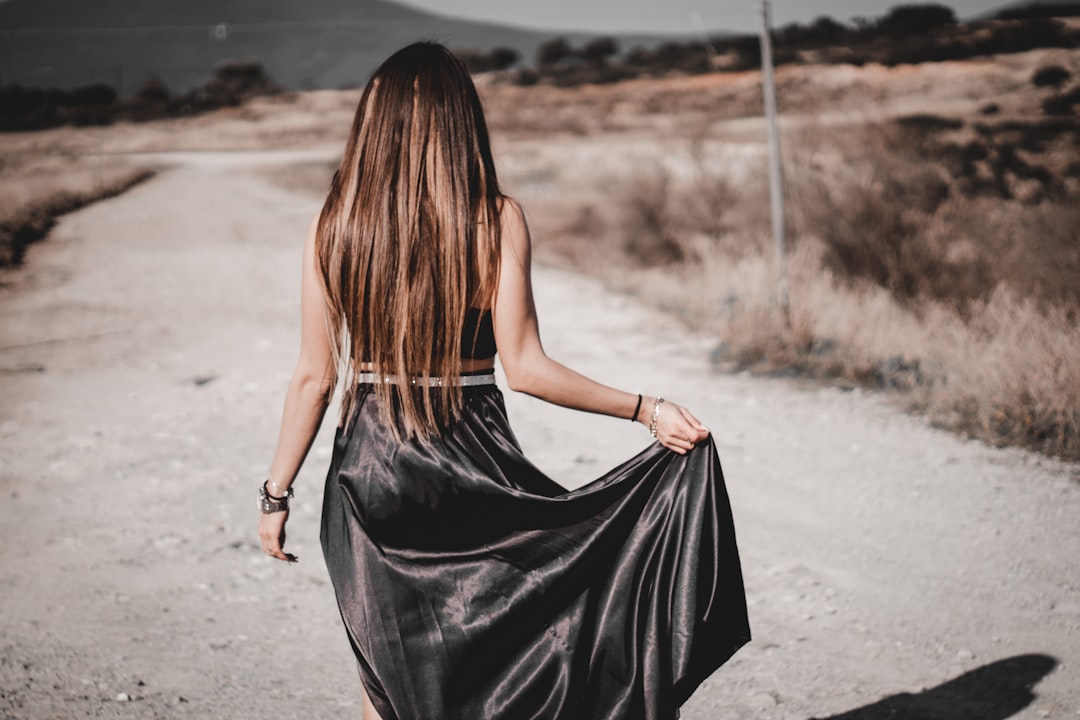
The solution clicked when I finally borrowed a flowing skirt from Maria's pile. The lightweight cotton let my skin breathe. When I moved, the fabric moved with me—like it wanted to be part of the dance too. No pulling, no restrictions, just air and motion.
Cotton, linen, rayon blends—these became my go-tos. Anything that wicks and flows. Anything that forgets you're wearing it. The best Cumbia outfit is one you stop noticing five minutes into the first song.
Finding Your Footing (Literally)
My first mistake was fashion heels. You know the ones—cute, strappy, absolutely not made for turning. By song four, I'd developed a blister and was half-expertsing to sit down while everyone else was still going strong.
Here's the truth: Cumbia involves some serious footwork. Quick changes in direction, weight shifts, spins. Your shoes need to feel like an extension of your feet, not an obstacle. Flats that grip without gripping. Flexible soles that bend when you bend. Some dancers swear by classic alpargatas—the woven canvas sandals with history stretching back centuries in Colombian tradition. Others prefer dance-specific flats with rubber soles that hold to the floor without catching.
Whatever you choose, break them in before the big night. Nothing kills a vibe faster than new-shoe pain.
The Accessories That Actually Work
After that first night, I got curious about the women who seemed to glow on the dance floor. What were they doing differently?
The accessories weren't accidental—they were strategic. A wide-brimmed hat Frames your face and catches light when you turn. Lightweight bracelets that catch the eye when your hands move through the air. But here's the key: everything has to stay on when you move. That gorgeous statement necklace? It becomes a weapon when someone spins into you. Those long dangling earrings? A liability.
I started carrying a small mochila—a traditional woven bag—over my shoulder. It held my phone, my lip balm, my emergency cash. Practical AND connected to the cultural roots of the dance I was learning to love.
The Real Secret Nobody Talks About
After that night, I kept going back. And I started noticing something: the women who looked most confident weren't wearing the most expensive outfits. They weren't wearing the most traditional or the most flashy.
They were wearing what looked like them.
One friend always danced in a vintage band t-shirt paired with a bright red skirt she'd sewn herself. Another wore traditional ruffled blouses her grandmother had brought from Bogotá. Someone else turned up in high-waisted jeans and a simple black top—and owned it completely.
Cumbia gives you permission to express yourself. It doesn't demand a costume. It demands honesty. Whatever you wear, make it feel like the truest version of yourself walking into a room where you're about to fall in love with moving.
---
I went back to that same sala three weeks later. This time I'd found a floral top in deep coral, some flowy pants, broken-in flats. Maria looked me up and down and smiled.
"Now you're matching your vibes," she said.
We danced until they turned the lights off. I didn't think about my clothes once—not after the first song. And when I finally caught my reflection in the window, I didn't recognize the woman looking back. She looked like someone who'd found her rhythm.
That's what the right outfit does. It doesn't make you someone else. It makes you more yourself.