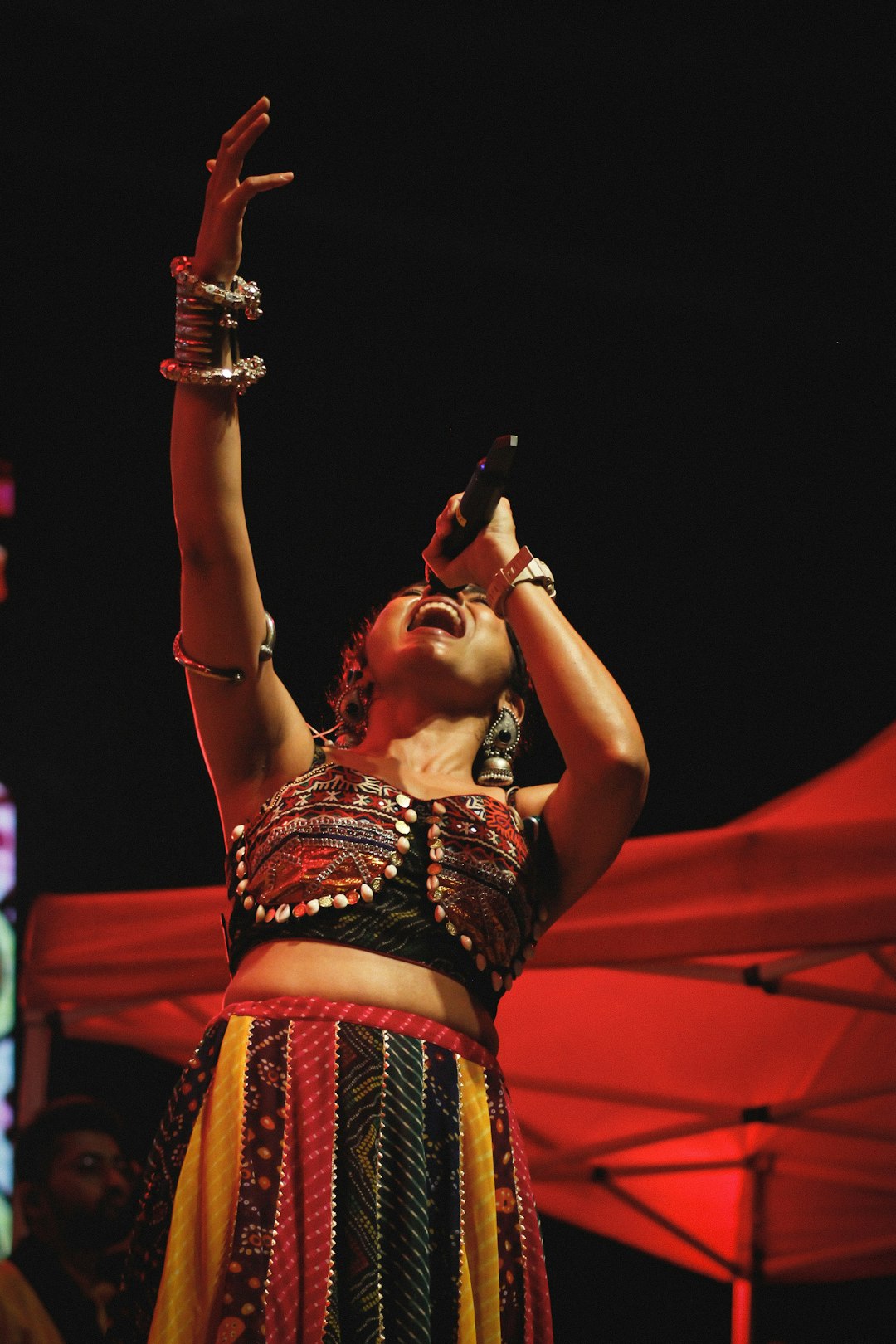
The zapateado begins—a percussive storm of heels and toes striking the floor. The guitarist's rasgueo intensifies. Then the singer's cante breaks through, raw and unadorned, and the dancer responds not with choreography but with duende: that mysterious, soul-deep connection to something ancient and alive. This is Flamenco, born in the marginalized communities of Andalusia and refined across centuries into one of the world's most emotionally demanding art forms.
If you're drawn to its fire, here's how to begin with authenticity and respect.
1. Master the Compás Before the Footwork
Flamenco is not merely dance—it is a conversation between movement, music, and emotion. Before you can tackle zapateado (percussive footwork) or braceo (arm positioning), you must internalize the compás: the rhythmic framework that separates Flamenco from every other dance form.
Where to Begin
Start with accessible palos (rhythmic forms) in 4/4 time:
| Palo | Character | Best For |
|---|---|---|
| Tangos | Playful, earthy | Building confidence with basic rhythm |
| Rumba | Upbeat, social | Understanding compás in a group setting |
Once secure, progress to the complex 12-beat cycles of soleá or bulerías—the heartbeat of serious Flamenco study.
Resources Worth Your Time
- Paco Peña's Toques Flamencos method books for guitar-guided rhythm training
- Cristina Hoyos's instructional videos for visual compás demonstration
- Clapping exercises (palmas): practice palmas sordas (muted) and palmas claras (clear) to develop rhythmic precision without instruments
Pro tip: Record yourself clapping along to recordings. Most beginners rush the compás—the silence between beats matters as much as the sound.
2. Build the Physical Foundation
Flamenco demands more than enthusiasm. The locked torso, rapid-fire footwork, and sustained desplante (dramatic poses) require specific conditioning that general fitness rarely provides.
Essential Physical Preparation
- Ankle strength and mobility: Resistance-band exercises, calf raises on stairs, controlled relevés
- Core stability: Planks, dead bugs, and Pilates to maintain the characteristic upright torso
- Turnout control: Unlike ballet's external rotation, Flamenco uses parallel or slight turnout—practice marcaje (marking steps) in a mirror to check alignment
What to Practice (and When)
| Focus Area | Daily Minimum | Weekly Goal |
|---|---|---|
| Marcaje (marking steps) | 10 minutes | Fluid transitions between positions |
| Llamada (call/attention steps) | 5 minutes | Clear rhythmic communication |
| Floreo (hand movements) | 5 minutes | Circular flow from the wrist, not fingers |
| Desplante practice | 10 minutes | Holding poses with breath control |
Protect Your Body
- Footwear progression: Begin with leather-soled practice shoes. Add zapatos with nails only after six months of consistent training—and never on concrete or tile.
- Floor matters: Seek sprung wood floors. If practicing at home, a dense foam mat over concrete prevents shin splints and stress fractures.
3. Immerse Yourself in the Living Culture
Flamenco cannot be learned from technique alone. It emerged from the cafés cantantes of 19th-century Seville, forged by Roma, Jewish, and Moorish communities whose histories of persecution gave the art its urgency. To dance without understanding this context is to perform empty gesture.
Essential Listening
Build your ear through these foundational artists:
- Camarón de la Isla (1950–1992): Revolutionized cante with raw emotional intensity; start with La Leyenda del Tiempo
- Paco de Lucía (1947–2014): Transformed Flamenco guitar; his Almoraima bridges tradition and innovation
- La Niña de los Peines (1890–1969): The definitive voice of cante jondo (deep song); essential for understanding soleá and siguiriyas
Deeper Engagement
- Read: Flamenco: Gypsy Dance and Music from Andalusia by Claus Schreiner for historical context
- Watch: Carlos Saura's *Flamenco