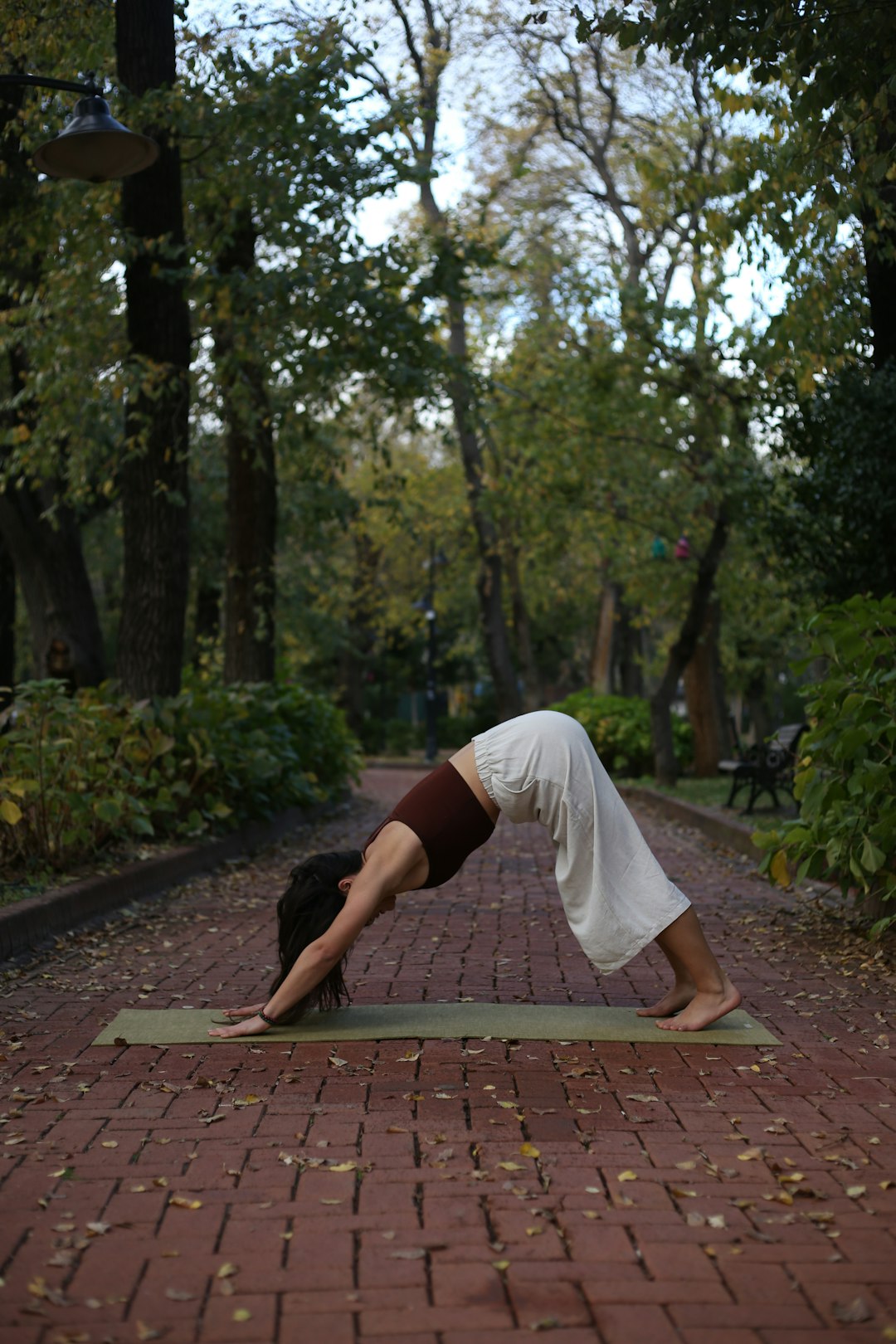
You don't need a studio, shoes, or prior dance experience to start breaking. Just a floor, some music, and the willingness to look awkward for a few weeks.
Breaking, born in the Bronx in the 1970s, is now an Olympic sport. But at its core, it's still a street dance built on improvisation, athleticism, and community. This guide will teach you the four pillars of breaking and give you a concrete plan for your first 30 days.
What Breaking Actually Is
Breaking (also called b-boying or b-girling) emerged from Black and Latino youth culture in New York City, set to the extended drum solos—breakbeats—of funk and soul records. It's one of hip-hop's foundational elements, alongside DJing, MCing, and graffiti.
A "break" isn't just the music. It's the circle of dancers—the cipher—where you enter, show what you've got, and pass the energy to the next person. Understanding this context transforms breaking from a workout into an art form with its own language, etiquette, and history.
The Four Pillars: Your Learning Framework
Every breaking set flows through four categories. Here's what they are, why they matter, and the exact first move to learn for each.
Toprock
What it is: Standing dance steps performed before you hit the floor.
Why it matters: Toprock sets your rhythm, establishes your style, and signals to others that you understand musicality.
Your first move: The Indian Step (or Two-Step). Shift your weight side to side, bouncing on the balls of your feet while your arms stay loose and reactive. Practice to a breakbeat until it feels natural.
Downrock (Footwork)
What it is: Floor-based movement where your hands support your body while your feet trace patterns.
Why it matters: Footwork is where most of your creativity lives. It builds coordination, spatial awareness, and stamina.
Your first move: The 6-Step. A circular pattern of six foot placements that teaches you to move around the floor while keeping your weight centered over your hands. Think of it as the "hello world" of breaking—everyone learns it, and no one outgrows it.
Freezes
What it is: Static poses that punctuate your movement, often held at the end of a sequence.
Why it matters: Freezes demonstrate control, strength, and confidence. They're your exclamation point.
Your first move: The Baby Freeze. Balance your body on one forearm and the crown of your head, with your opposite knee resting on your tricep. Start against a wall for safety, then work toward holding it freestanding for three seconds.
Power Moves
What it is: Acrobatic, momentum-driven rotations like windmills and head spins.
Why it matters: Power moves add explosive energy and are often what first draw people to breaking.
Your first move: The Backspin. Sit with your legs extended, fall onto your back, tuck your knees, and use your arms to initiate a rotation. It builds the foundational momentum and body awareness you'll need before attempting windmills.
Your First 30 Days: A Simple Practice Plan
| Week | Focus | Goal |
|---|---|---|
| Week 1 | Toprock + 6-Step | Feel comfortable with Indian Step and complete 10 clean 6-Steps in a row |
| Week 2 | Transitions | Drop from toprock into your 6-Step smoothly; add a Baby Freeze at the end |
| Week 3 | Drills + conditioning | Build stamina with timed sets; practice Baby Freeze freestanding |
| Week 4 | Freestyle + music | String moves together for 30 seconds, dancing to actual breakbeats |
Practice for 20–30 minutes daily. Short, focused sessions beat occasional marathon practices.
Stay Safe While You Progress
Breaking is physically demanding, and injuries from ego-lifting or poor surfaces are common among beginners.
- Warm up dynamically. Leg swings, arm circles, hip openers, and light jumping jacks prepare your body better than static stretching alone.
- Use a soft surface. Dance mats, carpet, or sprung floors protect your wrists, knees, and back. Concrete is for performances, not practice.
- Film yourself. Your body position often differs from how it feels. Reviewing footage accelerates correction.
- Rest and recover. Sore wrists and bruised shoulders are normal. Chronic pain is not. Take rest days seriously.
How to Accelerate Your Growth
Consistency matters, but so does where you direct your attention.
- Watch battles, not just tutorials. Study classic sets from Rock Steady Crew