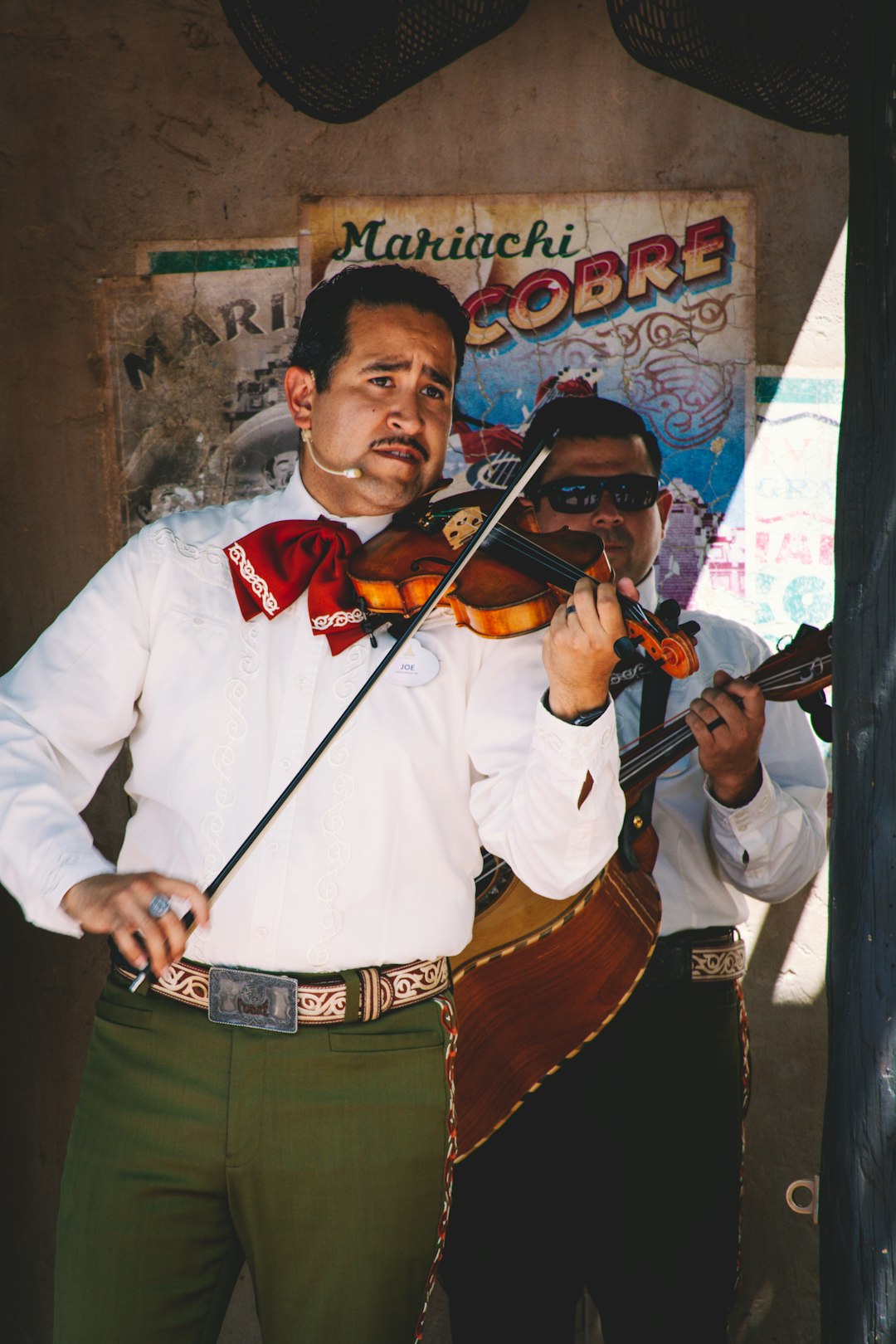
Welcome to the world of folk dancing—where history lives in your heels, community forms in a circle, and you don't need perfect turnout or years of training to belong. Whether you're drawn to the precise footwork of Irish sean-nós, the communal spirals of a Bulgarian horo, the celebratory spins of Mexican folklórico, or the shoulder-shaking energy of Indian Bhangra, this guide will help you take your first steps with confidence and curiosity.
What Folk Dance Actually Is (And Isn't)
Folk dance is traditional dance rooted in the cultural and historical life of a community. It emerges from real occasions—harvests, weddings, religious observances, resistance movements, and seasonal celebrations. Unlike classical forms, which are often codified in academies and performed by professionals, folk dance is typically participatory. The line between dancer and audience blurs. Everyone is invited in.
This matters because your goal isn't perfection. It's participation. You're not just learning steps; you're keeping a living tradition in motion.
Choosing Your Dance Style: Where to Begin
With thousands of traditions worldwide, the choice can feel overwhelming. Narrow it down with intention:
- Start with connection. Does your own heritage call to you? Many beginners find deeper motivation in reclaiming a family tradition.
- Match your physical preferences. Do you want high-impact cardio or low-impact flow? Solo improvisation or synchronized group movement? A fast-paced couple dance or a meditative circle?
- Consider logistics. Some styles have thriving local scenes (Irish set dancing, Israeli folk dance, American contra dancing). Others may require traveling to festivals or learning primarily online.
How to Research Effectively
| What to Do | Why It Helps |
|---|---|
Search "[dance name] + beginner class + [your city]" |
Surfaces local teachers and cultural organizations |
| Browse the Society for International Folk Dancing or the Folk Dance Federation of California | Connects you to established networks and events |
| Attend a live performance or a social dance night | Lets you feel the atmosphere before committing |
| Watch instructional videos with critical eyes | Builds familiarity with basic steps and terminology |
Red flags to avoid: Instructors who rush through cultural context, classes with no live or recorded traditional music, or environments that feel competitive rather than welcoming.
Finding Your First Class or Workshop
Once you've chosen a style, look for beginner-friendly entry points:
- Community centers and cultural organizations often offer low-cost introductory sessions.
- Dance studios may host folk dance nights or multi-week beginner series.
- Festivals and folk dance camps (like the Stockton Folk Dance Camp) provide immersive weekend or week-long experiences.
Pro Tip: Ask questions relentlessly. Your instructor and fellow dancers expect curiosity. Ask about the steps, the rhythm patterns, the meaning behind gestures, and the cultural context. Folk dance knowledge is traditionally transmitted person-to-person. You're not being annoying—you're participating in how these dances survive.
What to Wear: Style-Specific Guidance
Forget generic "loose, breathable clothing." Folk dance attire varies dramatically, and the wrong choice can hinder your learning.
- Irish dance: Beginners often start in ballet slippers or jazz shoes; hard shoes (ghillies or reel shoes) come later.
- Bhangra or other North Indian styles: Lightweight, close-fitting clothing that won't tangle during jumps and arm movements. Many dancers go barefoot.
- Greek or Middle Eastern circle dances: Comfortable flat shoes or sandals with secure straps. Long skirts are common for women but not required for beginners.
- Contra or English country dance: Smooth-soled shoes that glide on wooden floors. Avoid rubber soles that grip too much.
- Mexican folklórico: Close-fitting practice wear so instructors can see leg and foot position; traditional china poblana or charro costumes come with performance experience.
When in doubt, ask your instructor before your first class. They'll have strong opinions—and for good reason.
Practice With Purpose
Folk dancing rewards regular, attentive practice. But you don't need a studio to improve.
- Review recordings. Ask your instructor if you can film combinations, or search for reputable instructional videos from master teachers.
- Practice to live recordings. Folk dance music has subtle rhythmic variations that sanitized "practice tracks" often flatten. Train your ear on the real thing.
- Focus on one element at a time. A single session might target just foot placement, or just upper-body posture, or just responding to musical cues.
Join the Circle: Community Is the Point
This is where "folk hero"