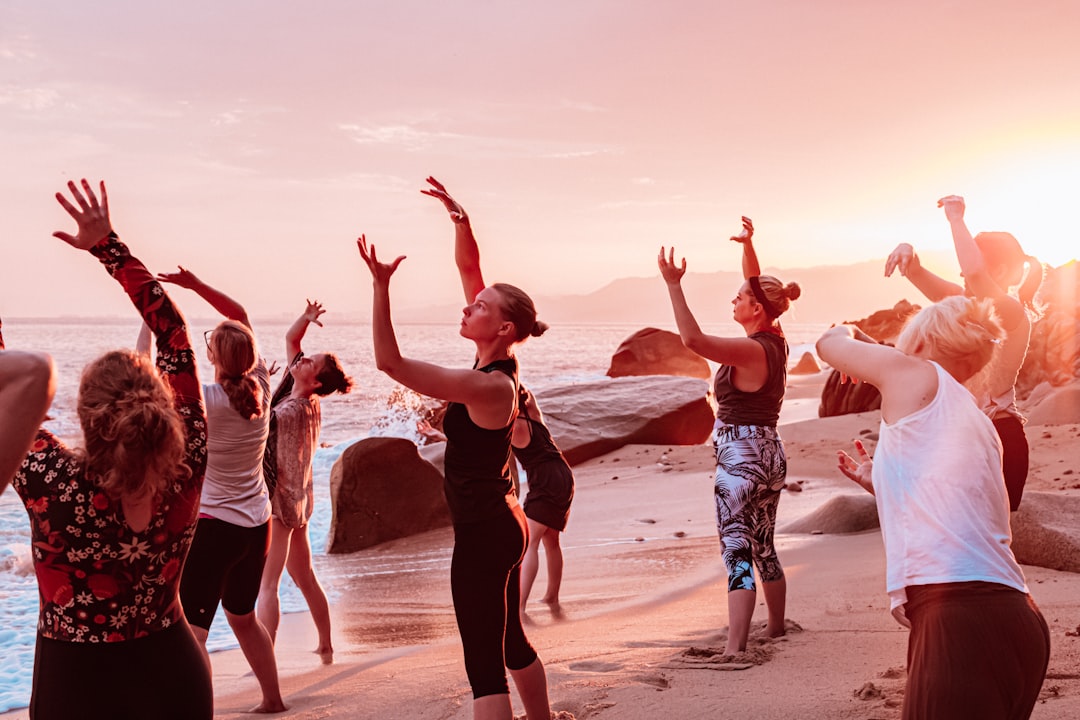
Want to learn hip hop dance but don't know where to start? This guide breaks down the essential foundations you need to build confidence on the dance floor—from finding your groove to mastering your first combinations.
What You'll Need to Get Started
Clothing: Wear breathable, flexible layers you can move in. You'll warm up quickly, so choose items you can shed easily.
Footwear: Pick shoes with flat soles and good grip. Avoid running shoes with heavy tread; they can catch during turns and floorwork. Canvas sneakers or dance-specific hip hop shoes work best.
Space: You need enough room to move freely in all directions—about six feet in every direction from your center point.
Music: Start with tracks between 90-110 BPM. Classic choices include early 2000s hip hop or modern pop-rap fusion. The beat should feel clear and steady, not overwhelming.
Understanding Hip Hop's Foundation: The Rock
Before learning specific moves, you need the rock—the rhythmic pulse that drives every hip hop style.
Stand with feet shoulder-width apart, knees soft and slightly bent. Shift your weight from one foot to the other, leaning slightly forward as you transfer weight. This creates a continuous down-up motion that matches the beat.
Practice this until it feels automatic. Every other move builds from this foundation.
Essential Footwork Patterns
The Two-Step (Basic Groove)
From your rock, add direction:
- Step right foot forward on beat 1
- Bring left foot to meet it on beat 2
- Step left foot back on beat 3
- Bring right foot to meet it on beat 4
Keep your upper body relaxed. Let your shoulders and chest respond naturally to the motion—this creates the "groove" quality that defines hip hop movement.
The Slide (Glide Variation)
Start in your basic stance:
- Shift weight to your right foot
- Slide your left foot outward along the floor—keep it light, don't lift
- Pull it back in as you shift weight to the left
- Repeat on the right side
The key is smooth, continuous contact with the floor. Think "ice skating" rather than "stepping."
Building Upper Body Coordination
Arm Waves: Sequential Isolation
A proper arm wave travels through your joints in sequence, not all at once:
- Extend your right arm straight out to the side
- Lift your fingertips upward—this initiates the wave
- Let the motion flow through your wrist, then elbow, then shoulder
- Reverse the direction: shoulder drops, elbow bends, wrist releases, fingertips point down
Practice slowly at first. The visual effect comes from the delay between each joint's movement.
Arm Swings: Adding Power
From your stance:
- Swing both arms forward from the shoulder—keep elbows soft
- Let them rebound back naturally
- Coordinate with your rock: arms forward on the downbeat, back on the upbeat
This builds the loose, energetic quality that separates hip hop from more controlled dance styles.
Body Isolation Drills
Isolation means moving one body part while keeping everything else still. These drills develop the control needed for advanced movement.
Neck Isolations
- Forward/back: Slide your chin straight forward, then pull it back to neutral. Keep your shoulders down.
- Side tilt: Bring your right ear toward your right shoulder without lifting the shoulder. Return to center, then left side.
Move slowly. Quality isolation requires muscle control developed through deliberate practice.
Shoulder Isolations
- Up/down: Lift both shoulders toward your ears, then release. Keep your neck long.
- Forward/back: Roll shoulders forward in a circular motion, then reverse.
- Single shoulder: Isolate one shoulder at a time—lift, roll back, drop, repeat.
Your First Combination
Put these elements together in a 16-count sequence:
| Counts | Movement |
|---|---|
| 1-4 | Rock in place, establishing rhythm |
| 5-8 | Two-step forward and back |
| 9-12 | Add arm swings coordinated with steps |
| 13-14 | Right arm wave |
| 15-16 | Left arm wave, ending in stance |
Practice to music. When comfortable, record yourself and watch for tension in your shoulders or locked knees—common beginner habits that restrict flow.
Critical Safety Notes
Always warm up: Five minutes of light movement (marching in place, shoulder rolls, gentle stretching) prevents muscle strain.
Protect your knees: Keep them soft and aligned over your toes. Never lock them or let them collapse inward during floorwork.
Listen to your body: Sharp pain means stop. Muscle fatigue and mild discomfort from new movement are normal; joint pain is not.















Choose secure sites for a safe and enjoyable experience.