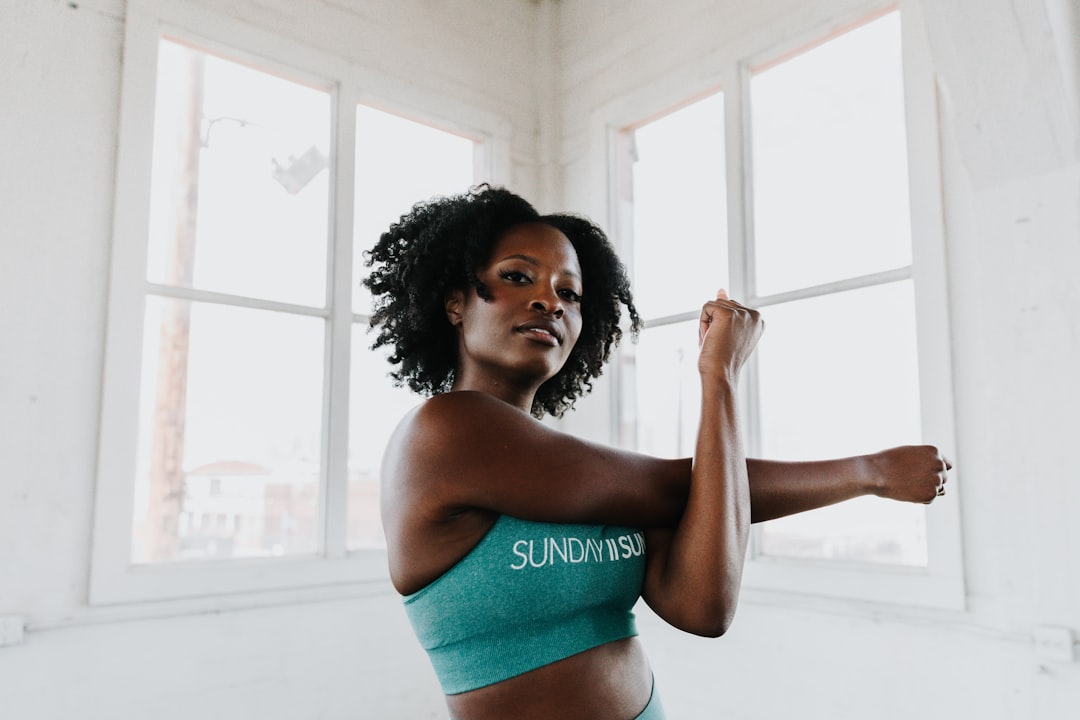
You don't need rhythm, youth, or baggy pants to start hip hop dance—just willingness to look slightly ridiculous for 45 minutes. By week three, that self-consciousness transforms into something better: confidence that carries far beyond the studio.
Hip hop dance emerged from Black and Latino communities in 1970s New York, evolving from street corners and block parties into a global movement. Understanding this roots matters: you're not just learning steps, you're participating in a living culture built on self-expression, innovation, and community. That context transforms a fitness routine into something meaningful.
What Actually Changes: The Real Benefits
Hip hop delivers measurable results. A 60-minute class burns 300–450 calories for a 150-pound person—comparable to jogging, but with better music. The benefits extend further:
Physical transformation happens faster than you'd expect. Within two weeks, you'll notice improved posture and core engagement. Within a month, complex choreography that once overwhelmed you becomes manageable. The constant direction changes build proprioception—your body's awareness in space—that protects you from falls and injuries in daily life.
Mental resilience builds differently here. Unlike repetitive gym workouts, hip hop demands present-moment focus. You cannot ruminate about work while executing an eight-count. This forced mindfulness, combined with the dopamine hit of nailing a move, creates genuine stress relief that outlasts the class.
Social connection emerges organically. The shared vulnerability of learning choreography breaks down barriers faster than most forced networking events. Many beginners report their dance classmates becoming their most diverse and supportive social circle.
Before Your First Class: Preparation That Actually Matters
Finding Your Entry Point
Search terms determine your experience. Look for classes labeled "foundations," "grooves," "open level," or "beginner." These indicate instructors who break down mechanics and repeat sequences. Red flags include "fast-paced," "performance opportunities," or no level designation—these assume prior experience and leave beginners stranded.
Class format shapes your learning:
| Format | Best For | Avoid If |
|---|---|---|
| Technique/Foundations | Building vocabulary, understanding mechanics | You want immediate choreography |
| Grooves/Party Dances | Confidence, social dancing, musicality | You want structured progression |
| Choreography/Heels | Experienced dancers, performance goals | You're brand new—frustration guaranteed |
What to Wear and Bring
Footwear is non-negotiable. Clean-soled sneakers with lateral support prevent ankle rolls during pivots and slides. Running shoes fail here—their forward-only cushioning destabilizes side-to-side movement. Hiking boots, bare feet, and street shoes that mark floors are universally prohibited.
Dress in layers. Studios run hot during cardio-heavy segments, then cold during final stretching. Moisture-wicking fabrics beat cotton, which stays damp and chills you.
Bring water and a small towel. Hip hop is high-impact; dehydration and slippery hands are real risks.
First Class Survival Guide
Arrive ten minutes early to claim middle-back positioning—close enough to see the instructor clearly, far enough to modify without spotlight. The mirror is your friend, not your critic. Everyone watches themselves, not you.
Expect this emotional arc: initial excitement, confusion around minute fifteen, discouragement at minute thirty, and unexpected triumph when the music connects with your body. The confusion is normal; the breakthrough is inevitable with repetition.
Understanding the Landscape: Hip Hop's Major Styles
Beginners encounter terminology that deserves explanation. You won't master all of these immediately, but recognizing them prevents intimidation:
- Breaking (Breakdancing): Floor-based power moves, freezes, and acrobatic transitions. Highest injury risk for unprepared bodies.
- Popping: Muscle contraction and release creating sharp, mechanical effects. Requires isolation control developed over months.
- Locking: Distinct stops and playful character, originating with Don Campbell in Los Angeles. Highly performative and accessible to beginners.
- House: Footwork-heavy style born in Chicago and New York clubs. Excellent cardio, relentless tempo.
- Commercial/Street Jazz: Choreography-focused, music-video aesthetic. Most common in fitness-oriented studios.
Most beginner classes blend these influences rather than teaching pure styles. As you advance, specializing becomes possible.
Staying Motivated: Goals That Actually Work
Process goals outperform outcome goals for beginners. Instead of "master the choreography," commit to "attend four classes this month" or "ask the instructor one question per week." Mastery follows consistency; consistency follows achievable wins.
Track differently: Video yourself monthly, not daily. Daily mirrors create discouragement; monthly comparison reveals transformation invisible in real-time.
Find your accountability structure: A dance buddy works for social learners; solo practitioners often thrive with calendar blocking and prepaid class packages. Neither approach is superior—know yourself and commit accordingly.
**Em