---
I still remember the exact moment folk music grabbed me by the throat.
It was a cramped basement bar in Brooklyn, 2019. Someone dragged me to see Fanfare Ciocărlia—a Romanian brass band I'd never heard of—on a Tuesday night that promised nothing special. Twenty minutes in, I was completely undone. There was this one song, a slow-burning hora that built and built until the whole room was swaying, and I looked around and saw people crying. Grown people with beer in their hands, crying. I didn't understand the words. I didn't need to.
That's the thing about folk music. It doesn't ask for your understanding. It asks for your body.
The Sound That Travels
Where does folk dance music come from? Nobody agrees. The Irish will tell you it started in their fields—jigs and reels spun up on fiddles to keep harvested bodies moving through twelve-hour days. The Bulgarians will show you horo dances that predate Christianity, circles winding through village squares since before anyone wrote anything down. The Appalachians will hum you something close to a Scottish fiddle tune, stretched thin across mountain valleys, carried over in the memories of people who walked away from everything and found something new when they arrived.
They're all right. That's the point. Folk music isn't a place—it's a behavior. It happens when people gather and make noise together and don't care who's listening.
The music moves faster than documentation. A tune travels ocean-to-ocean in a musician's head faster than any record company could ever manage. So yes, the Irish reel and the Texas two-step and the Bulgarian kopanitsa are all cousins, somewhere back in the family tree. The beat under your feet in Dublin is the same beat that made someone in Macedonia stand up and start moving, even if neither of them would ever know the other's name.
The Living Stuff
Here's what catches people off guard: folk music isn't preserved in amber. It's alive. It's been rotting and regrowing and hybridizing since the first person danced.
You want proof? Listen to The Chieftains—official Irish treasure, commissioned by the actual government. They've collaborated with Van Morrison, with the Carolina Chocolate Drops, with whatever the hell "The Longest Johns" are doing on TikTube these decades. They've kept the pipes alive by refusing to let them die in a museum. Or listen to Balkan Beat Box—taking that same brass-heavy sound from a Romany camp in eastern Romania and running it through electronic production until it shakes your subwoofer in ways those old village players never could have imagined.
The purists get angry about this. They'll tell you it's corrupted, diluted, not real. And they'll be wrong, in the way that people who love something too much to share it are always wrong. The music survives by changing. The second you freeze it, you lose it.
What Actually Works on a Dance Floor
If you're putting together a set for a folk dance event—or just want something that won't embarrass you in the car—here's what actually gets used. Not the academic compilations, not the "best of" Spotify algorithms, but the stuff real dancers reach for:
For Irish everything: The Chieftains, altan in its various incarnations, Altan remains the gold standard for step-dance backing—their arrangements have that perfect drive, that pulse that makes your feet decide before your brain catches up.
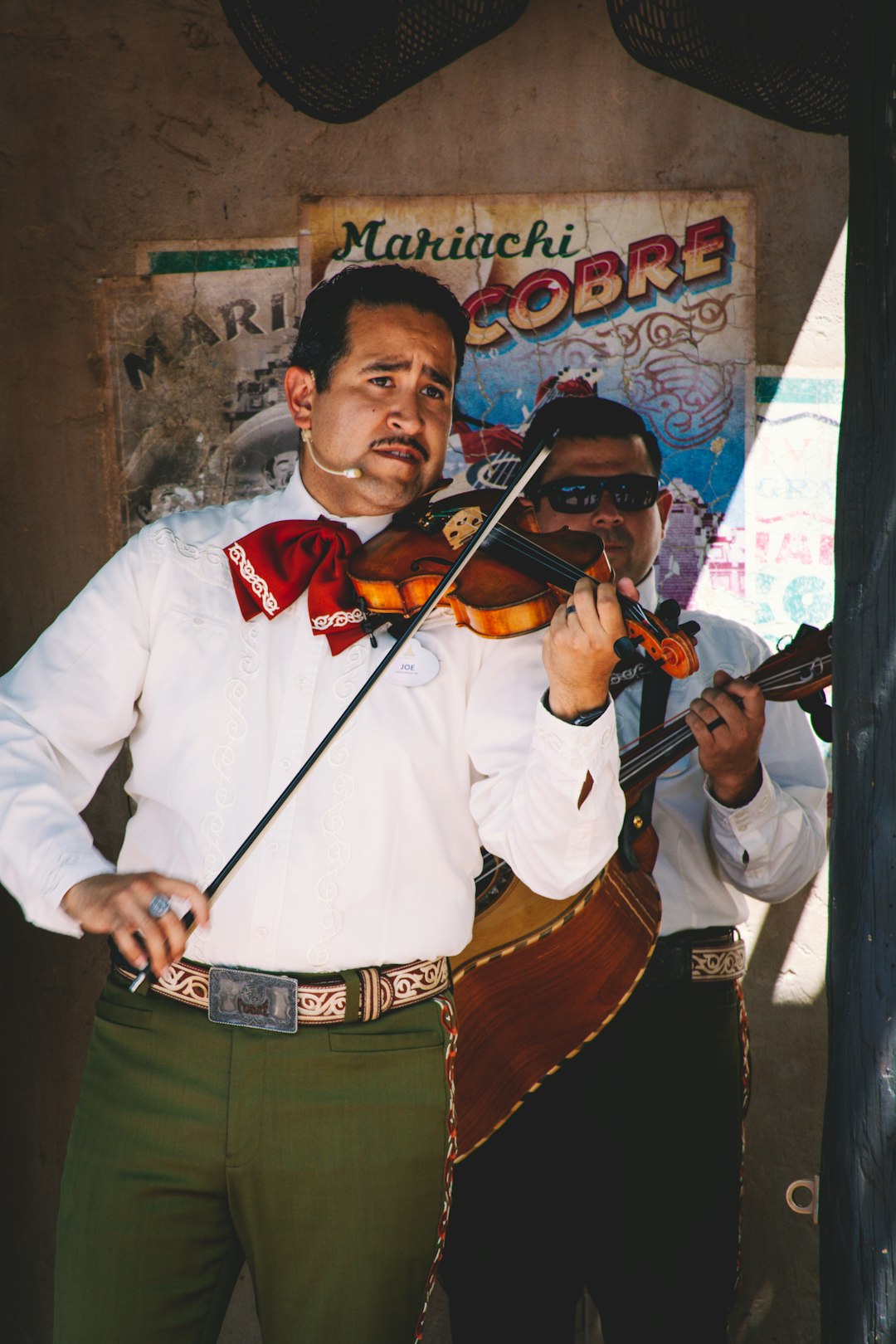
For the Balkan explosion: Fanfare Ciocărlia is the obvious one, but check Shantel too—the German guy who fell in love with Balkan brass and made it Bauhaus. Also Taraf de Haïdouks, recorded in a Romanian village, playing like they might never get the chance again.
For anything American-root: Rhiannon Giddens—not folk exactly, but reaching back. The Carolina Chocolate Drops when they were still together. Old Crow Medicine Show covering old everything with new energy.
The point isn't prestige. It's movement. You want music that makes standing still feel physically wrong.
This Part Actually Matters
We're in a weird moment. Folk music is both dying and exploding at the same time—the village traditions thinning out as old players pass on, but the internet carrying fragments everywhere, recombining in unexpected places. There are sixteen-year-olds in Seoul right now learning Balkan dance moves from YouTube tutorials and bringing it back to their own scenes. A fifteen-year-old in Queens is teaching herself Irish step dancing from old Riverdance videos and building a local crew.
That's what the digital age did. Not preservation—accessibility. Not museum audio—living noise reaching places it was never supposed to go.
And somehow, against every odds, there's more folk dancing happening right now than there has been in fifty years. It's just happening in different places, in different forms, wearing different clothes.
The Last Thing
Three years after that basement show, I understand what happened to me.
It's simple: some music exists to be analyzed, and some music exists to be felt. Folk dance music—the real stuff, the living stuff, not the academic reconstruction—exists in your body before it reaches your brain. Your foot starts tapping. Your weight shifts. You're standing up before you've decided to. The melody has that direct line to your nervous system, bypassing everything that thinks too much.
So next time someone says "folk music" and you picture something dusty, give it thirty seconds of genuine listening. Not for education. Not for culture. Just because that sound exists to remind you that you have a body, and the body wants to move, and there's nothing wrong with that.
Find your beat. Your feet already know what to do.
---
Ready to listen your way through this? I've collected the stuff that started it for me—the real wall-of-sound Romanian stuff, the Irish that hits different in a live room, the American roots that bridge the gap. What's in your ears right now? DanceWami · SoundCloudPlaylist · 3:45 PM Tue Nov 14