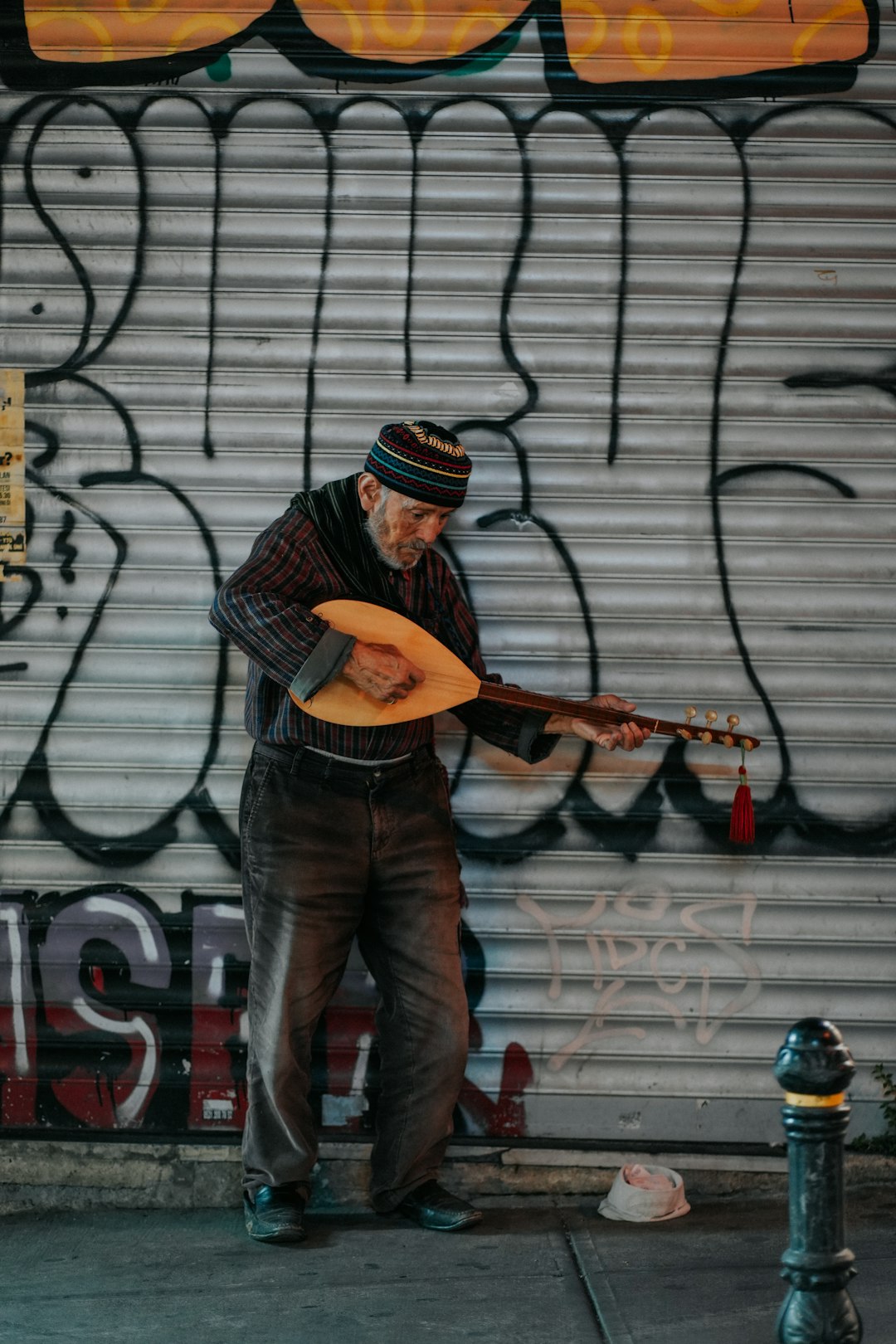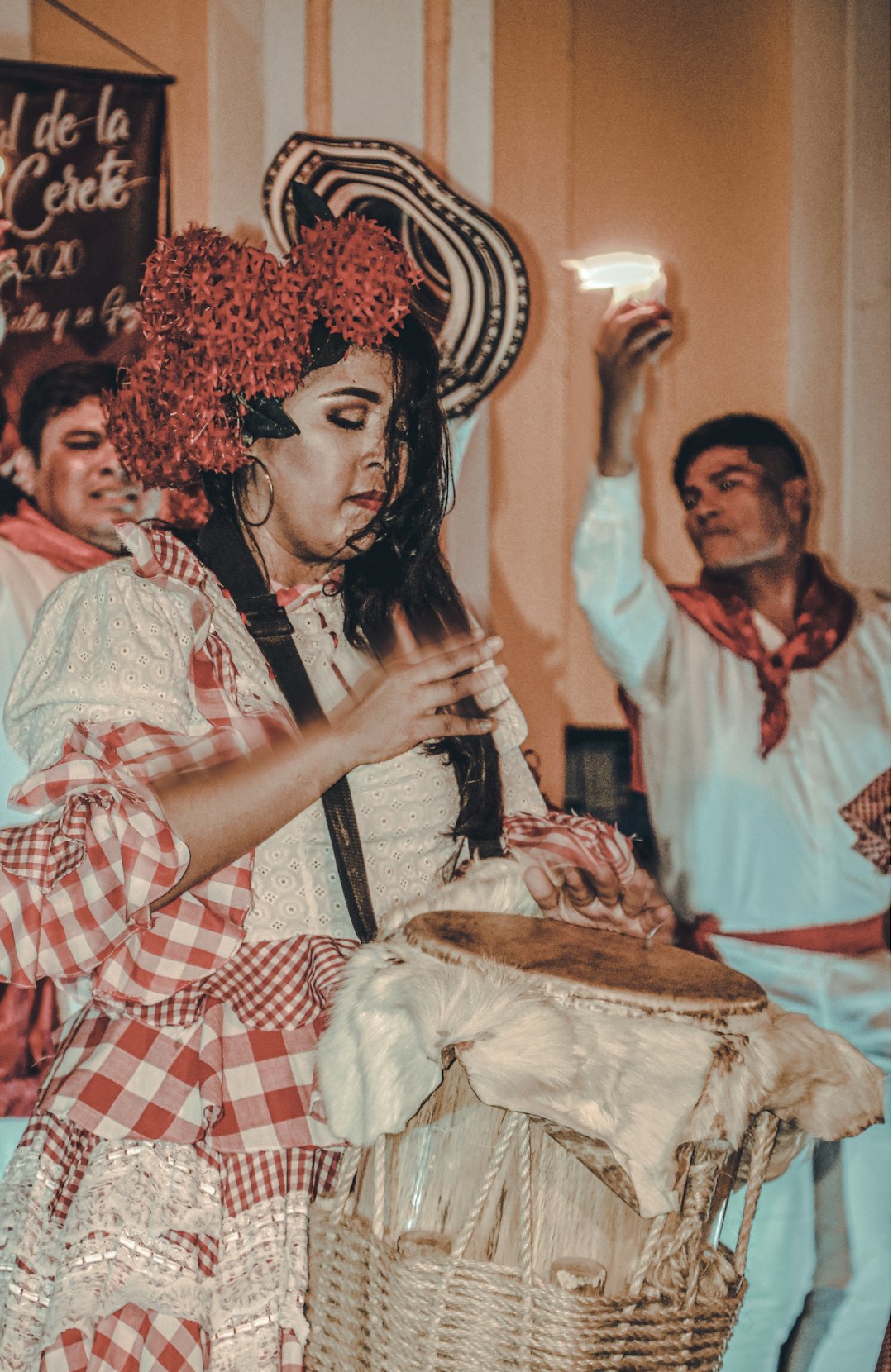
Every Tuesday at 6:15 p.m., the second-floor studio above Main Street Hardware fills with the crackle of a 78rpm record and the shuffle of leather-soled shoes. This is Swing Time Studio, one of two schools anchoring a swing dance revival that has drawn nearly 400 weekly students to Dugway City—transforming a former railroad town into an unlikely preservation zone for jazz-era movement.
From Harlem to Dugway: A Dance Finds New Ground
The Lindy Hop emerged in 1920s Harlem, not the 1930s as commonly assumed, with the Charleston's kicking steps already embedded in its DNA. Dugway City's instructors treat this chronology seriously. At Swing Time Studio, Marcus Webb opens each beginner session with five minutes on the Savoy Ballroom, where the dance crystallized. Webb, who trained with Frankie Manning's protégés in the 1990s, keeps a framed 1939 Life magazine spread on his studio wall.
Three blocks east, Yuki Tanaka founded Dugway Dance Center in 2014 after leaving a Seattle tech job. Her 500-plus vintage record collection supplies the soundtrack for classes; students hear Chick Webb's orchestra at original tempo, not the sped-up modern remixes common elsewhere. "The music dictates the movement," Tanaka says. "Slow down the record, and you hear the conversation between horn and drum that the dancers are having with their feet."
What $15 Buys: Inside the Class Structure
Both schools operate on a drop-in model designed to lower barriers. Swing Time runs Tuesday through Thursday, 6–9 p.m.; Dugway Dance Center adds Saturday afternoons. Beginner sessions cost $15, with package rates bringing per-class prices to $10. No partner required—rotation is standard.
The teaching diverges in approach. Webb structures six-week progressive series, building from basic triple-step to aerial prep. Tanaka favors a modular system where students can enter any week and focus on specific skills: connection technique one session, musicality the next. Both schools cap classes at 20 students, maintaining a 10:1 student-instructor ratio that allows individual correction.
Intermediate and advanced dancers access weekly "swing labs"—two-hour sessions devoted to choreography development or historical study. Last month, Webb's lab reconstructed a 1941 Whitey's Lindy Hoppers routine from archival footage.
Beyond the Studio: Where Practice Becomes Community
The schools' social infrastructure extends well beyond scheduled instruction. On first Fridays, the Dugway Legion Hall hosts dances open to all skill levels ($10, BYOB, no lesson required). Attendance typically hits 80–100 dancers; the wooden floor, installed in 1952, has developed a patina that regulars claim offers ideal slide resistance.
Quarterly workshops bring visiting instructors from Seattle, Los Angeles, and occasionally Stockholm—where a parallel swing preservation scene shares research with Dugway's community. The annual highlight arrives each August: a free outdoor performance at Riverside Park that drew 312 spectators last year, per park district estimates, with local businesses donating refreshments.
This programming reflects deliberate community-building strategy. "We lose students if they only take classes," Tanaka notes. "They need somewhere to use what they've learned, and someone to use it with."
The Next Generation: Youth Programs and Competitive Pressure
Both schools launched youth initiatives in 2022 after instructors noticed parents waiting in hallways during children's other activities. Swing Time now runs a Saturday morning program for ages 8–14; Dugway Dance Center partners with the public middle school for an after-school elective reaching 23 students this semester.
Inter-school competition began last year with the Dugway Swing Showdown, judged by video submission due to venue constraints. Webb and Tanaka's schools took first and second in the team division, respectively—a outcome both instructors describe with carefully measured pride that suggests the rivalry is genuine but collegial.
The competitive format matters: it requires students to perform without instructor assistance, testing whether the schools' teaching produces independent dancers or mere pattern-followers. Early returns suggest the former. A Dugway Dance Center student placed third at the regional Lindy Focus event in December, the first local dancer to reach that event's finals.
Why Dugway City, Why Now
The revival's local roots trace partly to geography and partly to timing. Dugway's affordable commercial rents—roughly one-third of Seattle equivalents—allow studios to operate without the volume-driven model that degrades instruction quality elsewhere. The town's distance from major metropolitan areas also creates captive demand: dancers who might commute to Portland or Boise for specialized training instead build local capacity.
Demographic factors help. Dugway's population skews slightly younger than comparable rural towns, with a 2019 university branch opening that brought faculty and graduate students seeking evening activities. The schools' founding dates—Tanaka's