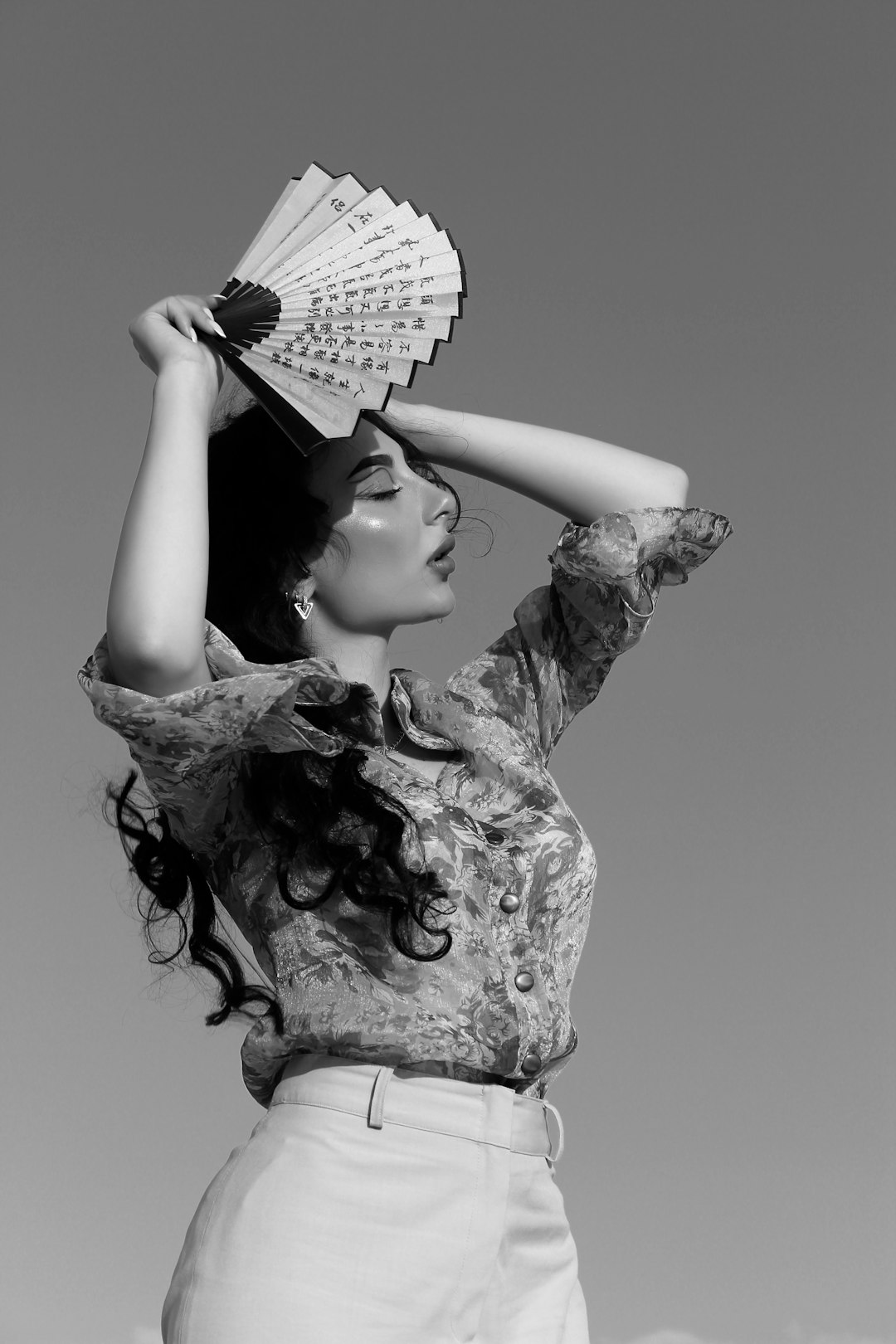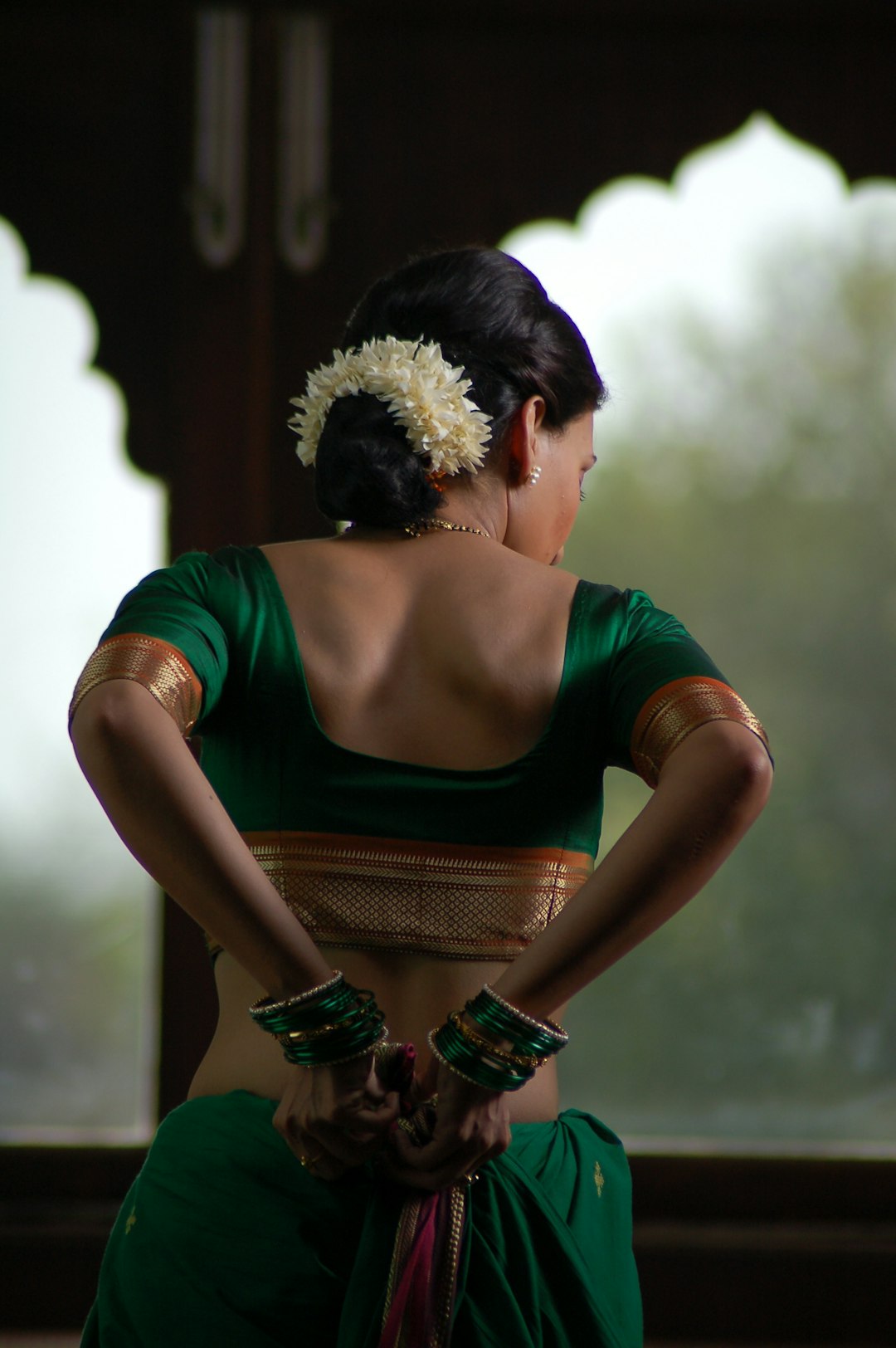
In 2019, Metro Movement Center on Hawthorne Street offered two weekend jazz classes. Today, five companies call Everett City home, and their showcases regularly sell out the Everett Playhouse. The growth is measurable. But what the attendance numbers don't capture is the transformation happening inside the studios—where beginners learn Lindy-inspired footwork, pre-professionals rehearse until 10 p.m., and performers step into identities they are still learning to claim.
The Studio: Where Technique Meets Personal History
Maya Thompson, 16, started at Metro Movement Center three years ago, after watching a YouTube video of Fosse choreography and deciding, abruptly, that she wanted to move like that. Now she trains six days a week. But her breakthrough came not from perfecting a kick turn or a pirouette. It came from a solo her instructor assigned last spring: a piece about her grandmother's migration from Mississippi to Illinois, set to a slowed-down arrangement of "Take the 'A' Train."
"I was doing the Charleston variation, and something clicked," Thompson said. "It wasn't just steps anymore. It was her story in my body. I finally understood what it meant to find a voice through movement."
That intersection of technique and personal history is what instructors at Everett City's studios deliberately cultivate. At Pulse Dance, located in a converted warehouse near the river, beginners still drill the grounded, syncopated basics that distinguish jazz from ballet and contemporary. But choreographers also assign autobiographical exercises. The result is a local style that feels less like polished conservatory training and more like conversational storytelling—with the body.
The Rehearsal: Sharpening a Single Routine
At 8 p.m. on a Thursday, the mirrored studio at Pulse Dance holds the exhausted silence of fifteen dancers recovering from a run-through. Choreographer Damien Okonkwo circles the room, marking notes on a tablet. The piece they are preparing, "Night Train," will premiere next month at the Everett Playhouse. It is 90% finished. The final 10% is what tonight is for.
Okonkwo, 34, founded the Everett City Dance Collective in 2021 after leaving a touring company in Chicago. He wanted to build something rooted in place. "Night Train" is his most explicitly local work yet: a group piece about the city's 20th-century railroad workers, set to an original score by Everett-based composer Linh Vu. The challenge is the ending, which requires the full ensemble to execute synchronized jump splits across the width of the stage—sixteen bodies landing with precision, then immediately rising into a slow, bluesy walk-off.
"We've had it clean twice," Okonkwo said. "Twice out of maybe thirty attempts. In performance, there are no mats. No second tries. They have to trust that the person next to them will land when they land."
The dancers run it again. One lands slightly off-balance. Another stifles a curse. No one suggests stopping early.
The Stage: From the Wing to the Lights
Alex Rodriguez, 22, has performed with the Collective for two seasons. He still gets nervous. His pre-show ritual is specific and private: twenty minutes before curtain, he stands in the stage-left wing and listens to the audience settle. He does not stretch. He does not review choreography. He waits.
"Stepping out there, it's not about forgetting the work," Rodriguez said. "It's the opposite. All the hours, the sweat, the failed runs—they don't vanish. They compress into something you can actually use. The stage is where you find out if the compression holds."
Last month's winter showcase offered that test to 120 dancers across Everett City's companies. Rodriguez performed in Okonkwo's "Harbor Lights," a duet about two brothers working opposite shifts at the same dock. The Everett Playhouse seated 340; every chair was filled. When the final lights came down, the applause lasted four minutes—unusually long for a community performance, veteran attendees noted afterward.
What Comes Next
The growth has brought challenges. Studio space is increasingly scarce. Several instructors report waitlists for beginner classes. And there is ongoing debate about what "jazz dance" even means in Everett City—whether the scene should commit more deeply to historical forms like vernacular jazz and Broadway, or continue evolving toward fusion and experimentation.
Those tensions suggest a scene mature enough to argue with itself. What began as two weekend classes has become something more consequential: a network of training grounds where dancers develop not just technique but a relationship to a specific place, its history, and its audiences.
This is the first article in an ongoing series. Next month, we follow Damien Okonkwo as he prepares to take "Night Train" to a regional festival in Portland—and we examine what happens when a deliberately local work travels.