The Night Everything Clicked
Picture this: a crowded patio in Bogotá, string lights overhead, and a song that made my hips want to do things my brain hadn't approved yet. That was my first real encounter with cumbia. I'd been trying to learn it from YouTube videos for weeks—stiff, mechanical, about as graceful as a vending machine. But something about that warm Colombian night, the laughter around me, the way nobody seemed to care whether I was "doing it right"... suddenly I wasn't thinking anymore. I was just moving.
That's the thing about cumbia. It's not a dance you conquer. It's a dance that eventually lets you in.
The Pulse Underneath
Here's what nobody tells you in those "step-by-step" tutorials: cumbia isn't really about counting. Yeah, the music's in 4/4 time. Yeah, there's a pattern. But the magic lives in the space between beats—that syncopated shuffle that makes you want to sway before you've even taken your first step.
Want to hear it? Put on "La Pollera Colorá" and listen past the vocals. There's a guiro scraping, drums having a conversation, something that sounds like history and parties and heartbreak all at once. Your body already knows what to do. Your brain's just overcomplicating things.
One Step Back, Two Steps Forward
The basic cumbia step is almost comically simple, which is probably why it took me so long to stop overthinking it. You step back with one foot, shift your weight, step in place with the other. That's it. That's the whole thing.
The secret sauce? A tiny circular motion in your hips. Not a dramatic swoop—more like you're stirring something small in a pot. Left foot goes back, right hip circles. Right foot goes back, left hip circles. You're not walking. You're gliding with intention.
When it finally clicked for me, I realized I'd been treating it like a march. Cumbia's closer to a lazy Sunday walk where you've got nowhere to be and everywhere feels like home.
What Your Arms Are Actually Doing
You know that thing where instructors tell you to "just relax your arms" and then you become hyperaware of every finger joint you possess? Yeah. Here's what actually works:
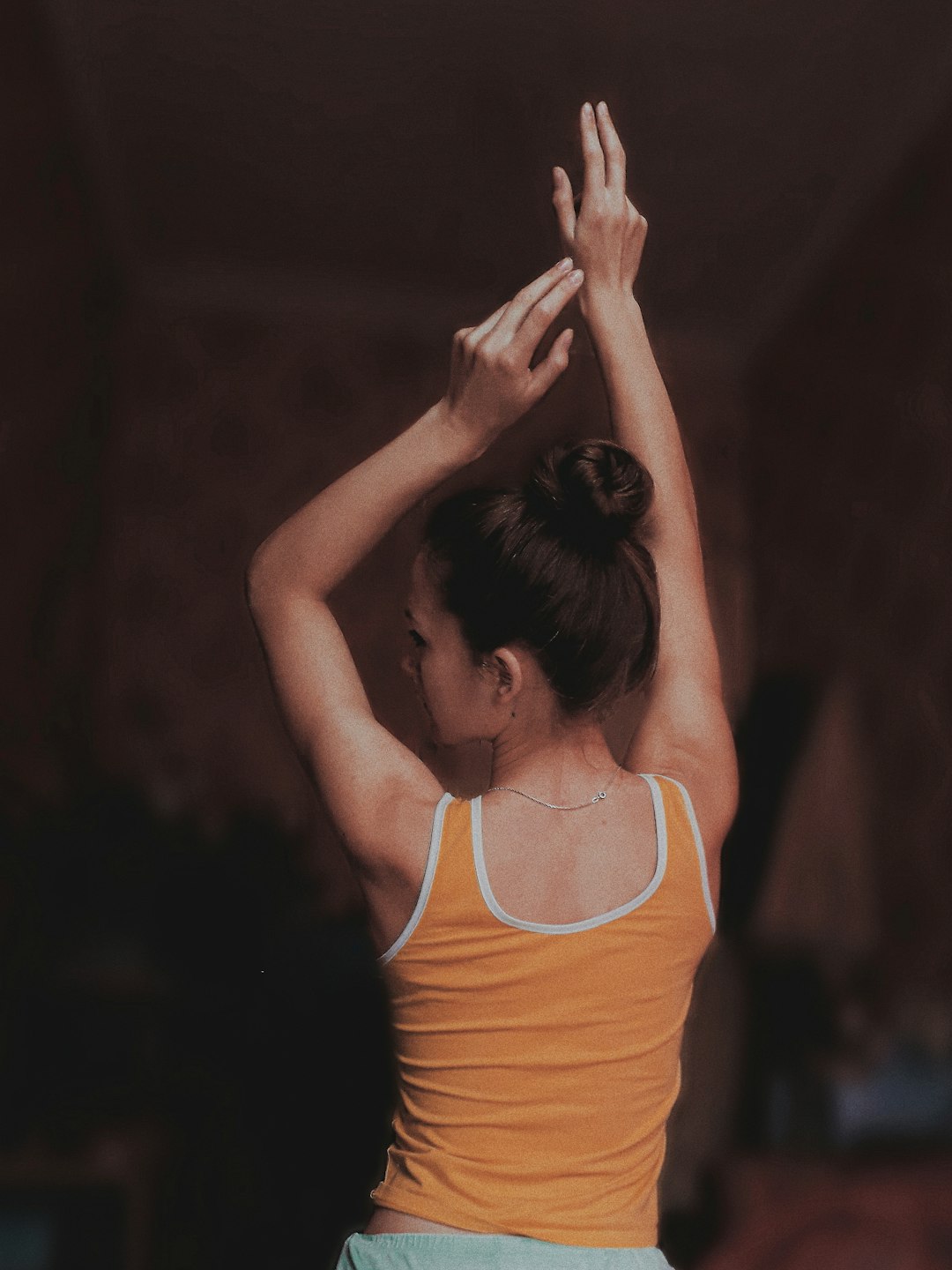
Imagine you're holding something fragile—a butterfly, maybe, or a secret. One arm rises as the other falls. They trade places like they're having a gentle conversation. Nothing sharp. Nothing forced. When your left foot steps back, your right arm floats up almost on its own. Not because you planned it. Because the music asked.
The Turn That Changed Everything
My first cumbia turn was a disaster. I pivoted too fast, lost my balance, grabbed a stranger's shoulder, and pretended I'd meant to do that. But here's the beautiful thing about this dance: nobody judges. They just laugh with you and keep dancing.
A proper turn starts in the middle of your basic step. As your left foot comes forward, let your right foot pivot. Your body follows like it's been waiting for permission. Then you're facing a new direction, doing the same step, but everything feels different because the light hits you from a new angle and suddenly you're part of the song's story instead of just watching it.
Two Bodies, One Rhythm
Dancing cumbia with someone else isn't about who leads and who follows. It's about two people sharing the same conversation. You hold hands—gently, like you could let go anytime—and you move together. The basic step stays the same, but now there's tension and release, approach and retreat. It's flirty without being aggressive. Intimate without being intense.
The best partners I've had weren't the most technically skilled. They were the ones who smiled when I messed up, who adjusted their stride to match mine, who made me feel like we were inventing something new even though people had been doing this dance for generations.
The Truth About "Getting Good"
You won't master cumbia from reading an article. You won't even master it from practicing alone in your living room, though that's a fine place to start. You'll get there by showing up—at dance socials, at clubs, at community centers where abuelas still dance better than anyone half their age.
Some nights you'll feel like you're fighting the music. Other nights the music will carry you. The difference usually isn't skill. It's whether you remembered to stop trying so hard.
Put on something by Los Gatos or Celso Piña and let your feet figure it out. They've been waiting for this longer than you know.










