The Night I Couldn't Look Away
I still remember the first time I saw a belly dancer perform under UV lights. Her hip scarf didn't just jingle—it exploded into ribbons of electric blue every time she shimmied. The audience gasped. A woman next to me whispered, "I didn't know belly dance could look like that." Neither did I. That was three years ago, and the scene has only gotten wilder since.
Belly dance isn't sitting in a museum case. In 2024, it's alive, sweaty, and borrowing moves from places its original practitioners never imagined.
When Hip-Hop Meets the Hip Drop
Walk into any serious studio in Los Angeles or London right now, and you'll find belly dancers drilling floor work next to breakdancers. They're not just adding a little pop-and-lock flair for spice—they're reimagining what a "hip drop" can become when it lands with the momentum of a contemporary dance fall.
Mia, a dancer I follow on Instagram, posted a rehearsal video last month where she flowed from a traditional Egyptian figure-eight straight into a ballet arabesque, then dropped into a squat that looked stolen from a Kendrick Lamar backup dancer. The comments exploded. Half the purists were horrified. The other half were booking her workshops.
This fusion isn't diluting the art. It's forcing dancers to master more, not less. You can't fake your way through a tribal fusion piece if you don't actually understand the mechanics of both shaabi and street dance.
Your Living Room Is Now the Studio
My friend Nadia lives in a town of 3,000 people in rural Montana. Ten years ago, she would've needed to drive four hours to find a decent class. Now? She straps on a VR headset and stands in a virtual Cairo studio with fifteen other dancers from Norway, Japan, and Brazil. Their avatars are clunky, sure. But the instruction is real, and the community is undeniable.
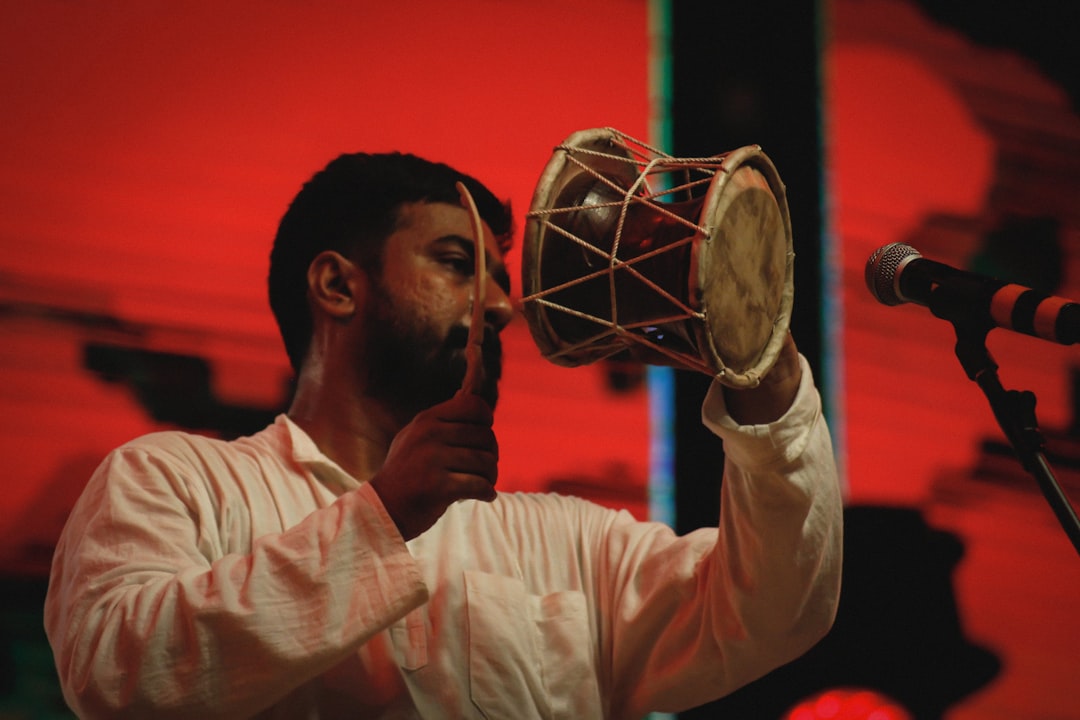
Technology isn't just changing how people learn—it's changing what they wear. LED-embedded costumes used to be a novelty for big theatrical productions. Now hobbyists are sewing programmable light strips into their bedlahs for local haflas. One dancer I know triggers her light changes with a foot pedal hidden in her shoe. During a drum solo, her torso strobes crimson in perfect time with the doumbek. The crowd loses its mind every single time.
The Borrowing Goes Both Ways
The most interesting fusion happening right now isn't coming from the West. Bollywood choreographers have been quietly incorporating belly dance isolations into item numbers for years, but now we're seeing the reverse: belly dancers studying Odissi hand gestures and Capoeira floor spins to build entirely new vocabularies.
At a festival in Marrakech last spring, I watched a Tunisian dancer close her set with movements pulled from traditional Japanese buyō. It shouldn't have worked. The aesthetics are completely different—one all fluid hips and the other rooted in restrained, precise footwork. But she found the bridge between them, some shared language of breath and intention, and the result gave me chills.
The Green Room Is Actually Green Now
Here's something you wouldn't have heard at a belly dance event five years ago: conversations about fabric sourcing. Dancers are swapping synthetic chiffons for deadstock silk and hand-dyed organic cotton. One prominent costume designer in Berlin now offers a "circular bedlah" program—send her your old bra and belt, and she'll deconstruct and rebuild it into something new rather than letting it collect dust in a closet.
It's not preachy. Nobody's shaming anyone for their polyester. But there's a quiet shift happening. Digital choreography notes replace printed handouts. Props get passed between troupes instead of tossed after one season. The community is getting practical about waste because, frankly, custom costumes are expensive, and dancers are tired of buying cheap stuff that falls apart after three washes.
The Future Has a Heartbeat
Belly dance has survived empires, crossed oceans, and outlasted every prediction that it would fade into obscurity. It won't stop now. The pulse that drove it through Cairo cabarets and American Renaissance fairs is the same one driving it onto VR stages and into cross-genre collaborations nobody saw coming.
The next time someone tells you belly dance is "traditional" or "old-fashioned," send them a video of a dancer performing under programmable LEDs with a soundtrack that samples Berlin techno and Egyptian tabla. Then watch them try to look away. They won't. I sure can't.