I blew eighty dollars on dance shoes before I even knew a basic step. That's the thing about Latin dance — it doesn't ask permission. It grabs your wrist, spins you around, and suddenly you're researching the difference between Cuban and LA salsa at 2 AM while your coffee goes cold.
The Street Origins Nobody Talks About
Latin dance wasn't born in gleaming studios with wall-to-wall mirrors. It started in sweat. In Havana's cramped courtyards, dockworkers invented movements to pass the humid evenings. In Buenos Aires' marginalized barrios, the tango began as a scandalous embrace between immigrants and locals — so provocative that polite society initially banned it from proper ballrooms.
These dances carry DNA from three continents. African call-and-response patterns pulse through the rhythms. Indigenous footwork patterns trace back centuries. European waltz and polka structures gave the dances their form. Salsa itself? It's the ultimate musical mutt — Cuban son foundations, Puerto Rican bomba fire, Colombian cumbia gait, all shaken together with jazz improvisation in 1970s New York City. Nobody sat down and planned this. It grew like weeds through concrete, finding cracks to bloom in.
When Gloria Crashed the Party
I still remember my aunt's wedding in 1999. The DJ dropped "Livin' la Vida Loca," and my uncle — who otherwise only danced at gunpoint — grabbed a stranger and attempted what he definitely thought was merengue. That crossover explosion changed everything. Gloria Estefan's conga lines invaded suburbia. Ricky Martin's hip swivels made middle America blush. Latin dance stopped being a niche interest and started being the party.
The timing wasn't accidental. Bachata escaped the Dominican Republic's marginal status and went global. Merengue's simple, marching rhythm meant you could be mediocre and still have fun. Dance studios multiplied overnight. Suddenly your dentist's receptionist was taking salsa classes, and your accountant was posting Facebook photos from Zouk congresses.
Mumbai Meets Havana
Walk into a dance social in Seoul on Saturday night, and you'll find twenty-somethings executing cleaner body isolations than most New Yorkers. Tokyo's salsa congress draws thousands. Mumbai has bachata festivals now. Latin dance pulled off a magic trick that politics rarely manages — it made people genuinely curious about cultures outside their own.
I've watched a shy engineer from Oslo lead a dentist from São Paulo through a tango tanda without sharing a spoken word. The connection happens in the shoulders, the breath, the pause before the beat drops. Latin dance studios in Berlin, London, and Toronto aren't just teaching steps. They're accidental community centers where immigration status, native language, and professional title dissolve for three minutes at a time.
Your Phone Is Now Your Dance Partner
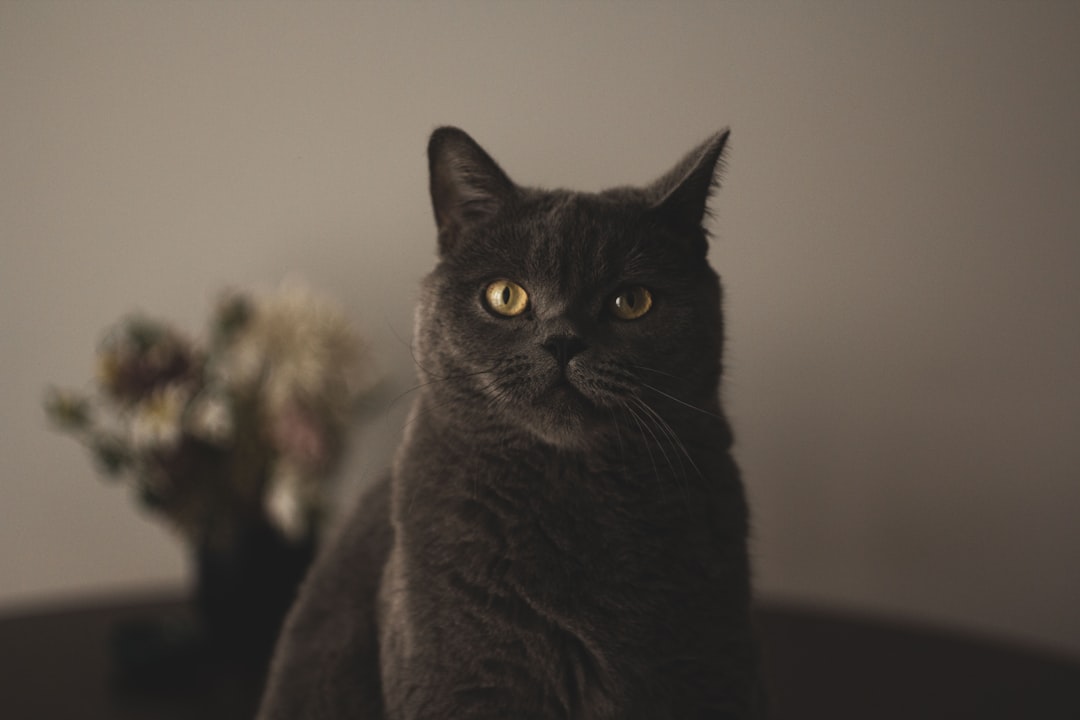
Last month, I learned a new kizomba combination from an instructor in Lisbon while standing in my kitchen. My teacher was on a six-inch screen. My cat judged me silently from the countertop. The pandemic forced dance online, but something surprising stuck — virtual classes, Instagram battles, and TikTok challenges are now recruiting dancers who'd never brave a studio's fluorescent lighting.
Younger dancers aren't choosing between tradition and innovation. They're smashing both together. I've seen dancers fuse salsa footwork with Afrobeat body mechanics. Watched tango performed to electronic remixes in underground Brooklyn warehouses. The gatekeepers grumble, but the dance floor has never listened to gatekeepers anyway.
The Shoes Were Worth It
That first pair of dance shoes? I still have them. They're scuffed at the heel, the suede soles are thinning, and they carry the residue of a hundred socials. Latin dance doesn't care about your coordination, your rhythm, or whether you were the kid picked last in gym class. It only asks that you show up, listen to the music like it matters, and risk looking foolish for three minutes.
The tango will wait for you. Salsa will spin you whether you're ready or not. Somewhere right now, in a converted yoga studio or a borrowed living room, somebody is taking their first awkward step into this ridiculous, passionate, gloriously human tradition. Maybe it should be you.