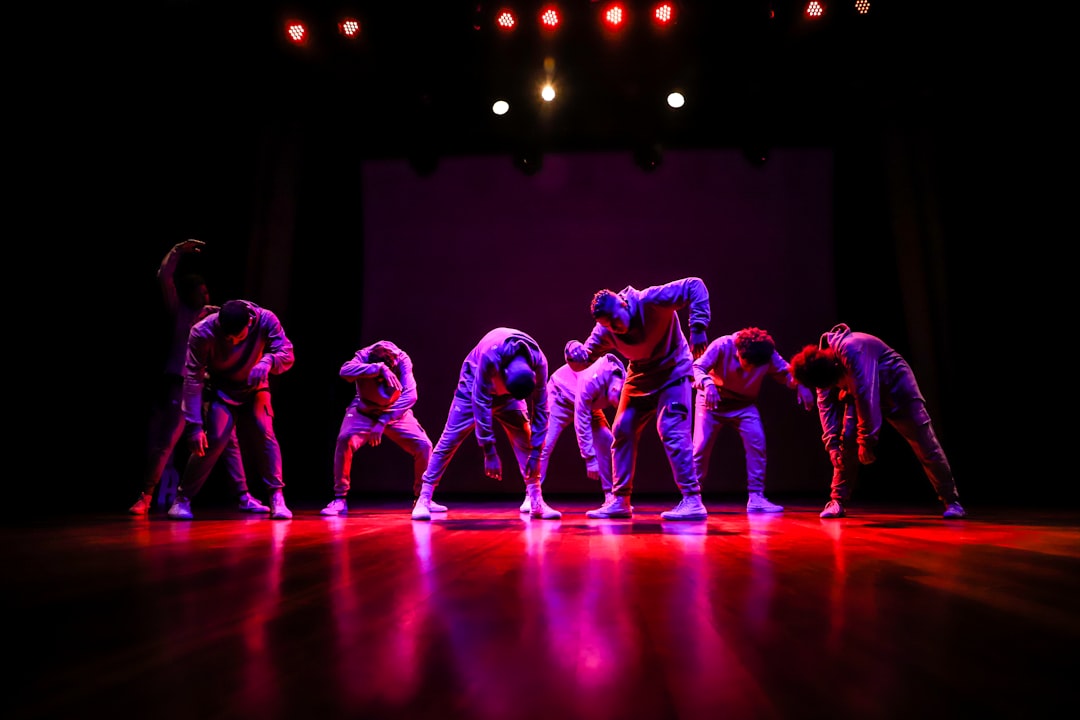
In March 2020, the sound of live jazz—the spontaneous applause, the clink of glasses in intimate clubs, the call-and-response between artist and audience—was abruptly silenced. The COVID-19 pandemic didn't just pause performances; it threatened the very ecosystem of a genre built on real-time, communal experience. This is the story of that profound impact, the remarkable resilience it sparked, and the uncertain but hopeful future of live jazz.
The Great Silence: Shuttered Venues and Canceled Tours
The initial impact was catastrophic and universal. Iconic institutions like New York’s Blue Note and Village Vanguard, London’s Ronnie Scott’s, and New Orleans’ Preservation Hall closed their doors indefinitely. For musicians, the collapse was immediate and financial. A 2020 survey by the Jazz Forward Coalition suggested over 80% of touring artists lost their primary income overnight. The loss was more than economic; it was a severing of a vital creative and emotional lifeline. The intimate, improvisational dialogue that defines jazz—the raised eyebrow cueing a solo, the crowd’s energy fueling a performance—vanished into the void of lockdown.
Improvisation in Crisis: The Pivot to Digital
Faced with this silence, the jazz community did what it does best: it improvised. The stage moved from the smoky club to the digital living room.
The Virtual Stage: Live Streams and Online Festivals
Musicians of all statures turned to platforms like Instagram Live, YouTube, and Twitch. Artists like Jon Batiste offered daily doses of joy and music from home, while virtuosos like Chris Potter hosted intricate solo performances. Virtual festivals, such as the "Stay at Home!" Jazz Festival, assembled global lineups that audiences could access for free or via donation. This digital shift democratized access, allowing a fan in Tokyo to easily catch a set from a rising star in Brooklyn.
Yet, this adaptation came with its own dissonant notes. The "virtual tip jar" and pay-what-you-can models were a lifeline but often failed to replace lost income. Furthermore, the digital divide became apparent: established artists with existing followings navigated the new landscape more easily than emerging talents. Most poignantly, the screen could not replicate the intangible, electric feedback loop of a live room.
Reimagining the Live Experience: Pods, Patios, and Social Distancing
As restrictions slowly eased, venues and artists engineered cautious comebacks. Clubs like Smalls Jazz Club in New York implemented rigorous streaming setups, broadcasting live to a global paying audience while hosting a limited, distanced crowd. Snug Harbor in New Orleans and many others expanded outdoor seating. Some promoters created "concert pods" in parking lots and parks. These innovations were logistically challenging and often financially marginal, but they represented a defiant commitment to the shared live experience.
The Unresolved Chord: Challenges on the Road to Recovery
The path forward remains complex. While doors have reopened, many venues operate under crushing debt accumulated during closures. Audience habits have changed; some remain hesitant to return to crowded spaces, while others have grown accustomed to the convenience of streaming. The industry now grapples with a hybrid future: How can venues sustainably integrate live-streaming? Can a balance be struck that fairly compensates artists for both in-person and digital performances? The pandemic exposed pre-existing vulnerabilities in the jazz economy, making its recovery not just a return to normal, but an opportunity to build a more equitable and resilient model.
A Call to Keep the Music Alive
The survival of this vibrant art form depends on conscious, active support. Resilience must be met with reciprocity. Here’s how you can help ensure the music continues:
- Buy Direct: Purchase music and merchandise directly from artists’ websites or platforms like Bandcamp.
- Value the Stream: Attend live-streamed concerts with a paid ticket, not just a passive view.
- Donate & Subscribe: Contribute to venue survival funds and artist Patreon accounts.
- Return to the Room: When you feel comfortable, buy a ticket, fill a seat, and be part of the live energy that no stream can replicate.
Conclusion: Resilience as the Ultimate Jazz Virtue
The story of jazz during the pandemic is a powerful testament to the genre's core ethos: adaptability in the face of change. The community was forced to deconstruct and reharmonize its very relationship with its audience. While the financial and emotional notes of this period will resonate for years, the response proved that the spirit of jazz cannot be quarantined. It migrated online, it flourished on patios, and it awaits, fundamentally unchanged, in the dim light of a reopened club. The future may be hybrid, but the heart of the music—its capacity for improvisation, connection, and profound resilience—beats as strongly as ever.