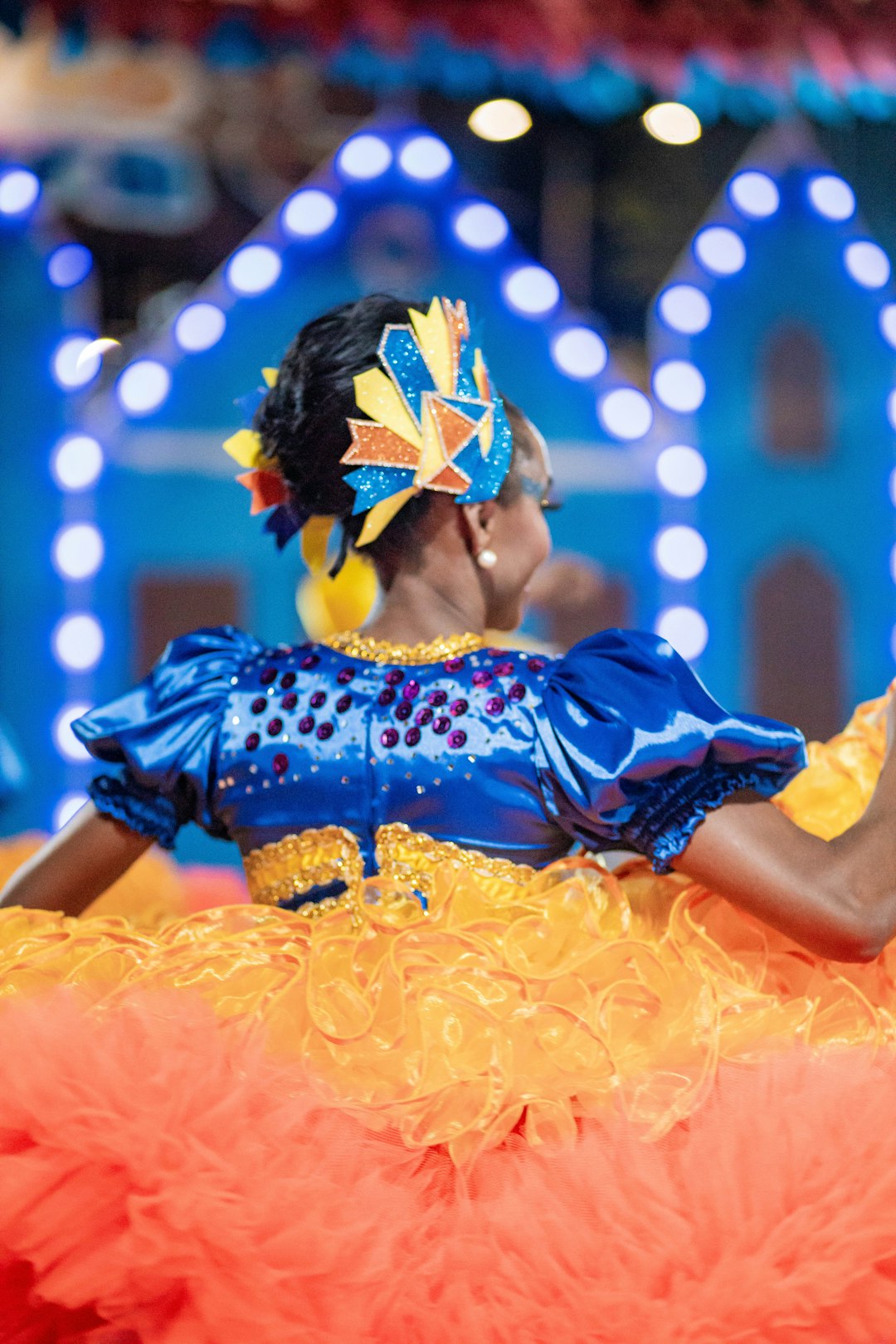
In flamenco, the audition begins before you dance. It begins when you enter the room with your understanding of compás visible in your posture, your respect for the tradition audible in your acknowledgment of the musicians, and your personal artistry ready to emerge within the structure of the palo. Unlike ballet or contemporary auditions where choreography is often taught on the spot, flamenco auditions typically require you to demonstrate mastery of an ancient, improvisational language—one where your relationship to the rhythm matters as much as your extension.
Whether you're auditioning for a traditional cuadro flamenco in Seville or a fusion company in New York, success demands more than polished technique. It requires cultural fluency, rhythmic precision, and the ability to reveal your authentic duende within seconds. Here's how to prepare.
Research the Company's Flamenco DNA
Before you select a single piece of music, investigate what kind of flamenco the company actually performs. The term "flamenco" encompasses radically different aesthetics, and confusing them signals amateurism.
Classical flamenco companies like Ballet Nacional de España emphasize escuela bolera influences, theatrical presentation, and precise ensemble work. Flamenco puro troupes prioritize the cante (singing) hierarchy, traditional cuadro structure, and raw emotional transmission. Contemporary fusion ensembles may incorporate modern dance vocabulary, unconventional staging, or cross-genre collaboration.
Study their recent repertoire. Are they performing alegrías (bright, festive, 12-count)? Soleá (solemn, weighty, 12-count with distinct phrasing)? Bulerías (fast, playful, 12-count with flexible entrance)? Each palo demands distinct emotional territory: alegrías requires lifted energy and crisp llamadas; soleá demands grounded gravity and patient escobillas; bulerías tests your ability to navigate rapid rhythmic conversations with musicians.
Watch performance footage critically. Note the ratio of group work to solo opportunities, the prominence of bata de cola or mantón (shawl) work, and whether dancers sing or play percussion. These details shape your preparation.
Build a Strategic Three-Palo Portfolio
Your music selection reveals your understanding of flamenco's architecture. Prepare three contrasting pieces that demonstrate range without sacrificing depth:
| Palo | Purpose | What It Shows |
|---|---|---|
| Slow and weighty (soleá, siguiriya, or taranto) | Emotional depth | Control, planta (foot placement), and ability to sustain compás without rhythmic crutches |
| Medium and structured (alegrías or tientos) | Technical versatility | Escobillas, bata de cola or mantón handling, and salida (entrance) construction |
| Fast and improvisational (bulerías or tangos) | Musical responsiveness | Ability to follow cante changes, execute remates precisely, and maintain aire under pressure |
Critical distinction: Auditions with live musicians differ fundamentally from those with recorded accompaniment. If live cante and toque (guitar) are involved, practice with variable tempos and unexpected cambios (changes). Recorded music allows precise rehearsal but offers no reciprocal energy. Confirm the format in advance and prepare accordingly.
Memorize your letras (song verses) even if you won't sing them. Knowing the cante structure enables you to anticipate remates and align your llamadas (calls to the musician) with the singer's breath.
Master the Invisible Technique: Compás and Musician Relationship
Flamenco technique extends far beyond visible movement. Audition panels assess your compás—your internalization of flamenco's complex rhythmic structures—within your first eight counts.
Practice palmas (hand clapping) daily. Not as an afterthought, but as primary training. Your ability to maintain contratiempo (off-beat) patterns while moving reveals rhythmic maturity that separates professionals from students.
Understand your role in the cuadro. In traditional auditions, you may be asked to dance por alegrías while a singer performs por soleá—testing whether you can maintain your compás independently when the melodic line pulls elsewhere. Practice dancing to cante alone, to guitar alone, and to palmas* alone. Each relationship teaches different listening.
The llamada is your signature. This call to the musician,