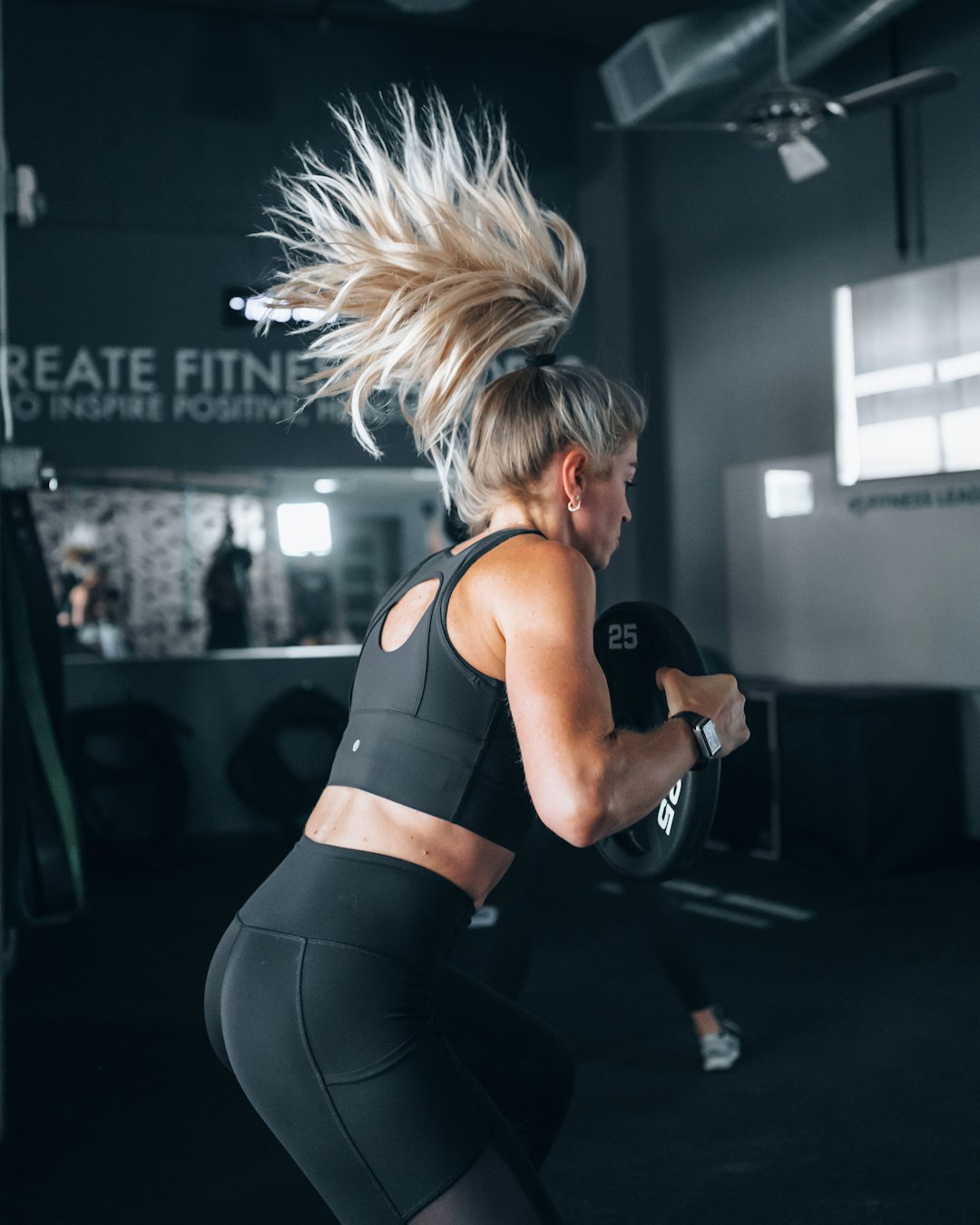
The path from studio practice to paid performance isn't a straight line—it's a labyrinth of cyphers, callbacks, and career-defining choices that separate working dancers from those who quit at "almost." Whether you're aiming for music video credits, international battle titles, or choreography for major artists, the hip hop dance economy demands more than clean footwork. It requires strategic skill development, cultural fluency, and relentless professional hustle.
Here's how to navigate it.
Master Your Foundation—Then Question It
Technical proficiency isn't negotiable, but "good dancing" alone won't sustain a career. Professional hip hop dancers operate across multiple movement languages: popping and locking fundamentals, house footwork, breaking power moves, and the choreographic sensibility that commercial work demands.
Build your training architecture:
- Cross-train deliberately. A dancer who only takes choreography classes will plateau. Dedicate 40% of your training to freestyle development—cyphers, sessions, and battles that force real-time creative decision-making.
- Study history actively. Understand why Kool Herc's breakbeats matter, how breaking evolved from Bronx community centers to Olympic sport, and why "commercial hip hop" remains contested territory. This knowledge distinguishes culturally grounded artists from trend-chasers.
- Leverage digital resources. STEEZY, CLI Studios, and Millennium Dance Complex's online programming provide access to industry choreographers regardless of geography. Use them—but never let screen learning replace the kinetic intelligence developed in physical spaces.
Consider mentorship not as a single relationship but as an ecosystem: one veteran for technical critique, another for career navigation, peers for honest feedback. Cold outreach works when it's specific. Instead of "I admire your work," try: "Your piece for [specific artist] changed how I approach musicality. I'm working through similar challenges in my freestyling—would you have 15 minutes to discuss your process?"
Curate a Portfolio That Actually Gets Opened
Generic "photos and videos" don't cut through noise. Industry professionals review submissions in seconds. Your portfolio must communicate range, reliability, and readiness immediately.
Platform-specific strategy:
| Purpose | Format | Content |
|---|---|---|
| Instagram/TikTok discovery | 30–60 second vertical reels | High-impact moments, trending audio with original choreography, personality-forward |
| Agency submissions | 2-minute horizontal showcase | Clean studio footage, diverse styles, one "hero" piece demonstrating your unique voice |
| Choreographer auditions | 60–90 second targeted reel | Specifically addressing their movement aesthetic, with live performance energy |
Critical details most dancers miss:
- Update quarterly. Stale portfolios signal inactive careers.
- Include both "clean" studio footage (controlled lighting, visible lines) and "live" documentation (stage energy, audience response, battle atmosphere).
- Credit collaborators visibly. Professional courtesy builds reciprocal relationships.
Your portfolio isn't a scrapbook—it's a business argument for why someone should invest in your labor.
Network Like Your Rent Depends On It (Because It Does)
The hip hop dance industry runs on relationships, but effective networking requires cultural fluency and self-preservation instincts.
Where to invest your presence:
- World of Dance and Hip Hop International offer legitimate competitive exposure and talent scouting, though entry costs require strategic budgeting.
- Urban Dance Camp (Germany) and BuildaBEAST (Los Angeles) provide intensive training environments where peer relationships often outlast formal instruction.
- Local cyphers and sessions remain the most authentic networking spaces—if you participate respectfully. The etiquette is non-negotiable: watch before entering, acknowledge those who came before you, and never perform for camera at the expense of community presence.
Transitioning relationships from "fan" to "colleague":
Follow-up after workshops with specific observations, not praise. "Your approach to musicality in the second eight-count—using the snare rather than the downbeat—helped me solve a problem in my own choreography" demonstrates you're processing, not consuming.
Red flags to recognize:
- "Exposure" offers without transparent discussion of revenue sharing
- Networking events requiring significant payment without verifiable industry presence
- Choreographers who consistently use "family" language while avoiding fair compensation
Read the Industry's Current Chapter
The hip hop dance economy shifts constantly. Staying current isn't passive consumption—it's active intelligence gathering.
Movements reshaping opportunity:
- TikTok choreography economy: Viral dances generate publishing revenue and artist attention, but require understanding of copyright, credit protocols, and the speed of trend cycles.
- Remote audition processes: Post-pandemic, many initial bookings happen through self-tape submissions. Technical quality (lighting, sound, framing) now filters opportunity before movement quality does.
- Olympic breaking inclusion: The 2024 Paris Games accelerated institutional funding for