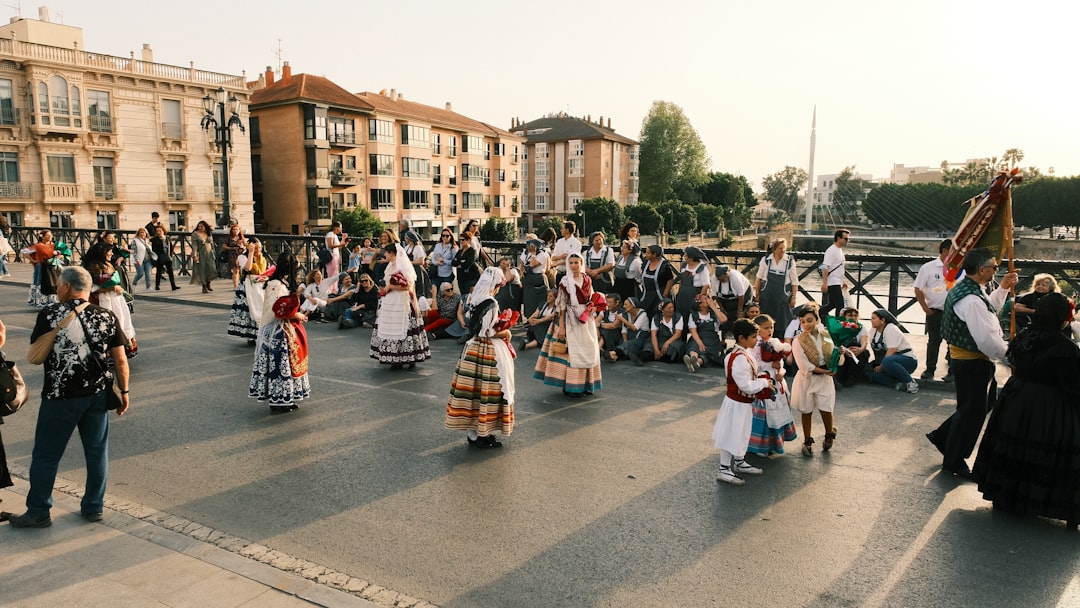
Swing dance is a vibrant, community-driven art form—but turning your passion into a sustainable career requires more than enthusiasm and a well-worn pair of dance shoes. In the professional swing world, "making it" rarely means a single full-time job. Most working pros piece together income from teaching, weekend workshops, private lessons, competitions, and the occasional performance gig.
This guide breaks the journey into three phases, with concrete benchmarks, realistic timelines, and the practical details most articles skip.
Phase 1: Build the Foundation
Master the Basics (With Intention)
Casual social dancing won't get you to a professional level. Deliberate practice will. In your first 6–12 months, prioritize:
- 6-count and 8-count fundamentals with clear rhythm and timing
- Connection and lead-follow dynamics—the invisible engine of great swing dancing
- At least one historical style, such as Lindy Hop, Charleston, or Balboa, danced with authentic vocabulary rather than generic "swing" styling
Resist the urge to chase flash moves early. Audiences and partners notice poor connection long before they miss an aerial. For structured learning, seek out established resources like the Frankie Manning Foundation archives or beginner tracks at events such as ILHC (International Lindy Hop Championships).
Find a Mentor (Respectfully)
Experienced dancers are approached constantly. Standing out requires offering value first, not just asking for time. Consider:
- Volunteering at events they organize or teach at
- Offering practical skills: videography, graphic design, administrative help, or driving
- Being specific in your requests—"Could I get 15 minutes of feedback on my swingout?" beats "Will you mentor me?"
When someone does invest in you, respect their boundaries. Follow up on their advice. Nothing ends a mentoring relationship faster than ignoring feedback.
Protect Your Body
Professional careers end early without physical maintenance. Build habits now:
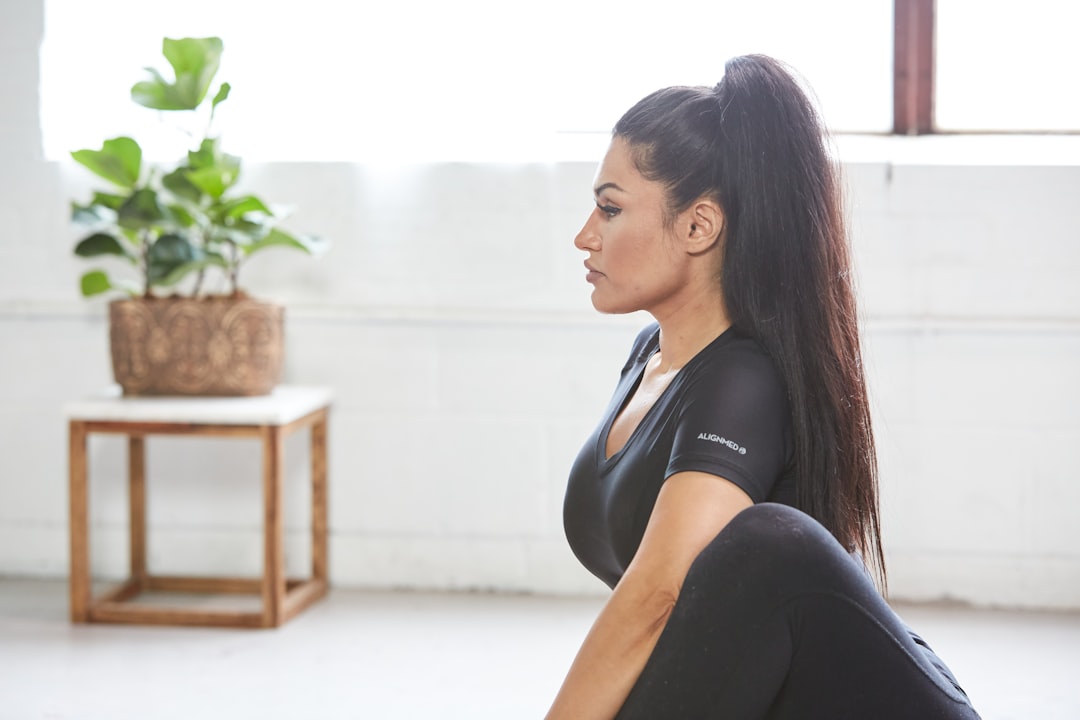
- Cross-train with strength work, mobility drills, or low-impact cardio
- Warm up before social dancing and cool down after
- Sleep and recover—chronic fatigue leads to sloppy technique and injury
The dancers with the longest careers treat their bodies as long-term assets, not disposable tools.
Phase 2: Enter the Ecosystem
Attend Workshops and Camps Strategically
Workshops and dance camps are where the global swing community converges. They're excellent for learning, but they're also competitive, expensive, and packed with dancers hoping for the same opportunities you are. To get real return on your investment:
- Set one concrete goal per event: a new connection with an organizer, feedback from a specific instructor, or video footage of a polished routine
- Social dance with people outside your home scene—networking happens on the dance floor
- Follow up: send a brief, personalized message to new contacts within a week
Gigs rarely fall into your lap at these events. They come from the relationships you build and maintain afterward.
Perform and Compete
Performance experience builds reputation, but it also exposes your weaknesses—which is the point. Start locally with open stages, studio showcases, or small competitions. Use these to:
- Test material under pressure
- Gather video for your online presence
- Learn how you respond to nerves and adapt
Competition can accelerate improvement, but it's not the only path. Some successful pros rarely compete, focusing instead on teaching and choreography. Choose the track that plays to your strengths.
Phase 3: Establish Your Career
Build Your Brand Platform by Platform
A scattered online presence helps no one. Focus on three pillars:
| Platform | Purpose | Posting Target |
|---|---|---|
| Performance clips, class announcements, event highlights | 1 clip per week minimum | |
| YouTube | Tutorials, full routines, or educational breakdowns | 1 video per month |
| Simple website | Booking inquiries, teaching resume, upcoming events | Updated quarterly |
Tag event organizers when you post footage from their events. Engage with comments. Reply to DMs promptly. Your digital presence is often someone's first impression of your professionalism.
Teach—and Learn How to Teach
Teaching local classes is a common entry point, but the pay is usually modest. The more stable income streams typically come from:
- Private lessons, which command higher hourly rates
- Weekend workshops, which require travel but pay significantly more
- International events, which come after years of reputation-building
To accelerate this path, invest in pedagogical training. A certification program or even a structured course in movement education will distinguish you from dancers who simply "know the steps." Good teachers are remembered and rebooked; charismatic but unclear instructors are not.
Stay Inspired Without Chasing Every Trend
Swing dance evolves, but its core remains rooted in specific