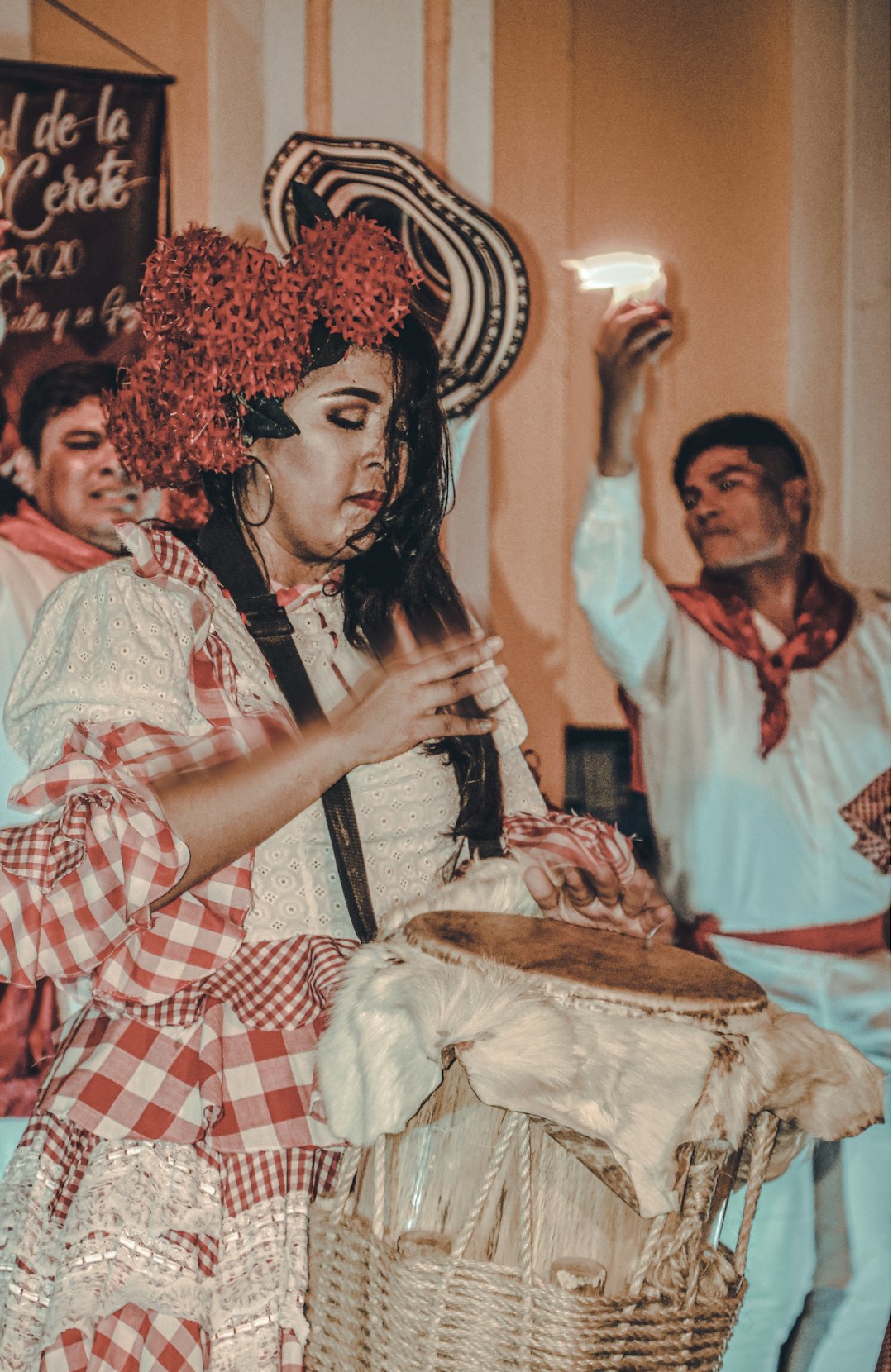
Every professional Swing dancer started somewhere—usually in a crowded beginner lesson, stepping on someone's foot during a six-count basic. If you're serious about turning Lindy Hop, Charleston, or Balboa into paid work, the path exists. But it's narrower than you might think, and it rarely looks like a straight line.
This guide breaks down how working professionals actually build careers in Swing dance: from your first class to your first paid gig, and the income streams that sustain you beyond the stage.
Understanding the Swing Dance Ecosystem
Swing dance isn't one style—it's an ecosystem. Lindy Hop remains the most commercially viable for performance and instruction, but Charleston, Balboa, Collegiate Shag, and Vernacular Jazz all offer specialization opportunities. Most professionals lead with one and layer in others.
What sets Swing apart from other dance genres is its deep social dance culture. Unlike ballet or contemporary, where the professional track is almost exclusively performance-based, Swing offers multiple parallel paths:
- Social dance instruction (group classes, private lessons, weekend workshops)
- Performance troupes (choreographed stage shows, vintage entertainment)
- Competition (jack-and-jills, strictly divisions, showcase routines)
- Event organization and DJing
- Vintage fashion and culture consulting
Understanding these distinctions early matters. A competition specialist builds a very different career than a traveling workshop instructor. Both are valid, but they require different investments of time, money, and energy.
Key insight: Immerse yourself in Swing's history and culture—not just as an academic exercise, but because authenticity is currency in this community. The dancers and organizers who hire you will expect you to understand and respect the African American vernacular jazz roots of these dances.
Learning the Basics: Start With the Right Foundation
Before you can think about performing professionally, you need to become genuinely proficient. That starts with choosing the right training environment.
How to Find Quality Beginner Instruction
- Prioritize dedicated Swing or Lindy Hop studios over general ballroom schools. Many ballroom studios teach "East Coast Swing" as a generic catch-all—technically related, but stripped of the rhythmic complexity, improvisation, and cultural context that define authentic Swing.
- Ask prospective instructors about their training lineage. Have they studied with established international teachers? Do they social dance regularly? The best instructors are usually active participants in the broader scene, not just class teachers.
- Look for a studio that emphasizes social dancing, not just choreography. Professional Swing work demands strong lead-follow connection, improvisation, and floorcraft—all skills developed on the social floor.
What to Focus On
Your early training should prioritize:
- Rhythm and timing — Swing is a jazz dance. If you can't hear and express the music, technique alone won't save you.
- Partner communication — Clear leading and following is the backbone of all professional Swing work.
- Movement quality — The distinctive pulse, stretch, and release that separate Lindy Hop from other partner dances.
Consistency beats intensity. Two or three classes per week, plus regular social dancing, will build a stronger foundation than occasional workshop binges.
Advanced Training: Level Up With Intention
Once you've internalized the fundamentals, seek out advanced instruction that challenges your assumptions. Look for renowned instructors who offer not just moves, but conceptual frameworks—teachers who can explain why something works, not just how to execute it.
Where to Train
- Weekend intensives and workshops with traveling international instructors
- Major camps and events like Herräng Dance Camp (Sweden), Lindy Focus (North Carolina), Camp Hollywood (Los Angeles), or the International Lindy Hop Championships (ILHC) in Washington, D.C.
- Private lessons with professionals whose careers you want to emulate
These environments do more than sharpen your dancing. They're where you meet the people who will later hire you, recommend you, or become your collaborators. The Swing world is surprisingly small. Reputation travels fast.
Building Your Portfolio: Show, Don't Just Tell
As you progress, document everything. A professional Swing dancer needs visual proof of their abilities across multiple contexts.
What to Capture
| Type | Purpose |
|---|---|
| Social dance footage | Demonstrates improvisation, musicality, and partner connection |
| Choreographed performance videos | Shows stage presence, memorization, and troupe compatibility |
| Competition footage | Provides third-party validation and comparison against peers |
| Teaching clips | Essential if you want to be hired as an instructor |
How to Get Stage Time
Start local. Perform at studio showcases, regional dance exchanges, and small competitions to build experience and gather footage. Treat every performance as a learning opportunity—request feedback