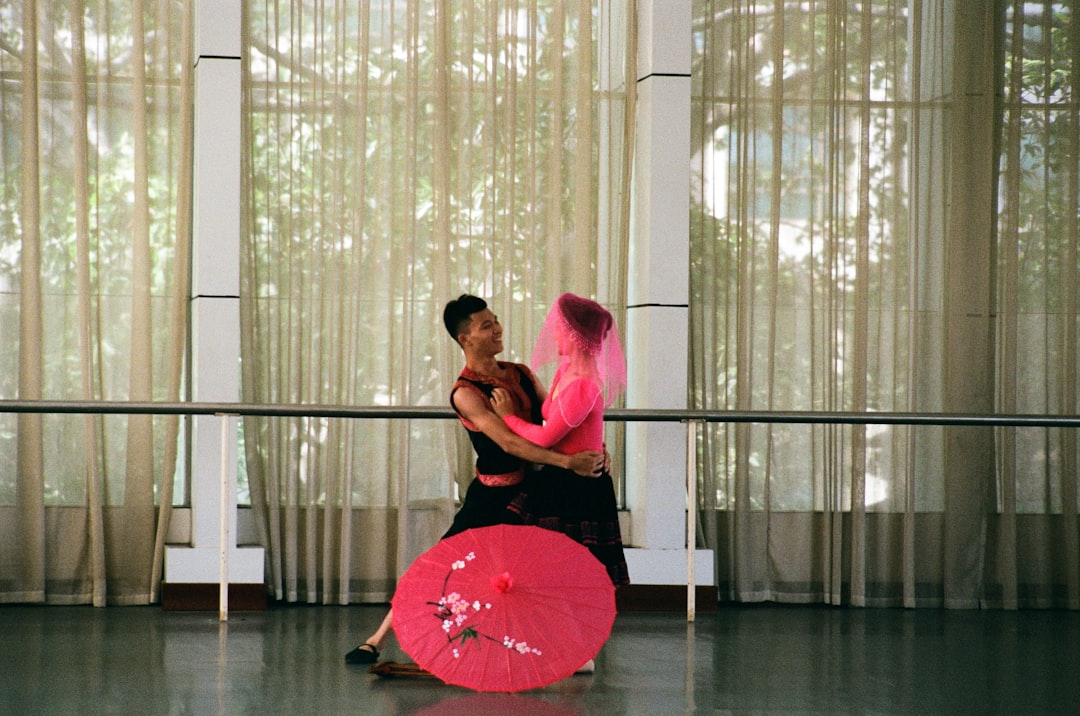
Breaking into contemporary dance requires more than talent—it demands strategic training, realistic financial planning, and an understanding of how this field actually operates. Unlike commercial dance or ballet, contemporary dance lacks a standardized career ladder. Success looks different for everyone, and the paths are as varied as the artists themselves.
This guide offers concrete, field-tested advice for dancers serious about building sustainable careers in contemporary dance.
Choose Training That Matches Your Goals
Your educational foundation shapes your opportunities. Contemporary dancers today select from several distinct training models, each with different outcomes.
Conservatory Programs
These intensive, technique-focused environments prepare you for company life:
| Program | Distinctive Approach | Best For |
|---|---|---|
| The Juilliard School (NYC) | Classical contemporary foundation with strong ballet requirements | Dancers seeking versatile, marketable technique |
| The Ailey School (NYC) | Horton technique, diverse repertory, inclusive aesthetic | Those wanting commercial and concert crossover options |
| Martha Graham School (NYC) | Historic modern technique, reconstruction specialization | Dancers drawn to legacy companies and museum work |
Contemporary-Specialized Programs
These often provide more experimental, artist-centered training:
- California Institute of the Arts (CalArts) — Interdisciplinary, choreographer-focused, strong experimental scene
- P.A.R.T.S. (Brussels) — Anne Teresa De Keersmaeker's analytical, post-European approach
- School for New Dance Development/SNDO (Amsterdam) — Research-based, conceptual choreography training
- London Contemporary Dance School — European contemporary methodology, strong somatic foundations
The BFA Alternative
Many working contemporary dancers now pursue university BFAs rather than pure conservatory training. These programs offer career flexibility, teaching credentials, and time to develop your artistic voice without the pressure of immediate company placement.
Key consideration: Conservatory training typically leads to company auditions within 1–2 years of graduation. University programs may delay your professional debut but often produce more self-sufficient artists who can teach, produce, and choreograph.
Master the Audition Ecosystem
Contemporary dance auditions differ fundamentally from ballet's structured cattle calls. Understanding these differences saves time and prevents costly mistakes.
What Actually Happens in Contemporary Auditions
Most contemporary auditions span two to four days and include:
- Repertory learning: Quickly absorbing and performing existing choreography
- Improvisation tasks: Responding to verbal or musical prompts in real time
- Solo presentation: Your 60–90 second opportunity to show your movement voice
- Creative tasks: Generating movement on the spot, often collaboratively
The "Stay and Play" Reality
Many contemporary opportunities emerge outside formal auditions. Artistic directors regularly scout open company classes, workshops, and festival showings. Budget for:
- Drop-in classes at target companies ($15–25 per class)
- Festival performances where directors attend
- Workshop intensives with guest artists who hire afterward
Your Solo: What Directors Actually Want
Your audition solo should demonstrate artistic maturity, not just technical range. Avoid competition pieces. Instead, show:
- Clear choreographic choices (why this movement now)
- Relationship to space and timing
- Your specific physical intelligence—not generic "contemporary" movement
Build Relationships Strategically
Networking in contemporary dance is relationship-based, not transactional. The field is small; reputation travels fast.
Where Meaningful Connections Happen
High-value investments:
- ImPulsTanz (Vienna) — Major European hub where directors scout and teach
- American Dance Festival (Durham, NC) — Intensive programs with rotating faculty who hire
- Springboard Danse Montréal — Bridge program between training and company life
- Pond Way/Trisha Brown workshops — Specific repertory training leading to performance opportunities
Sustainable ongoing practices:
- Take class consistently at studios where working choreographers teach
- Attend showings and talkbacks, not just performances
- Volunteer for festival production crews (unpaid but high-visibility)
Social Media That Actually Works
Instagram serves as your visual CV, but quality matters more than quantity. Post:
- Process documentation (rehearsal footage, studio research)
- Finished work with clear credit lines
- Your movement voice, not just performance highlights
Avoid: Unprofessional clips, excessive self-promotion, content unrelated to your artistic practice.
Create Work Realistically
Developing your own practice distinguishes you, but understand what you're committing to.
Choreographic Development
Start small and build evidence:
- Studio showings — Low-cost, invite-only presentations for feedback
- Split bills and shared evenings — Share production costs with peers
- Festival applications — Research which festivals program emerging artists (APAP, Fringe festivals