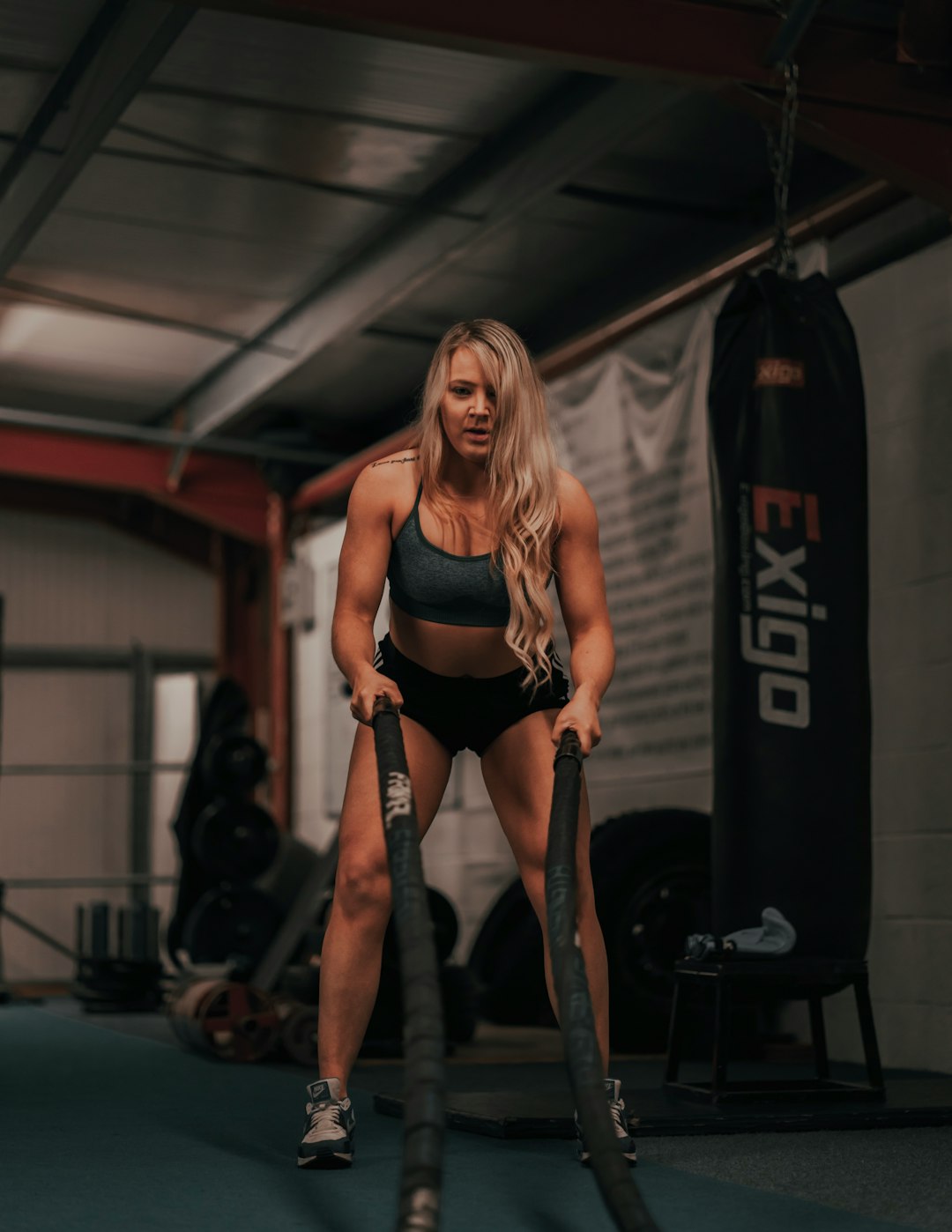
Contemporary dance demands footwear that honors the form's unique physical vocabulary—grounded weight shifts, intricate floor work, and explosive directional changes. Unlike ballet or jazz, where tradition dictates standardized shoes, contemporary dancers navigate a spectrum from bare feet to hybrid technologies. This guide cuts through the confusion to help you find footwear that supports your technique without sacrificing the sensory connection that defines the form.
1. Understand Your Foot Structure
Your anatomy determines where you fall on the support-versus-sensation continuum. Start with honest assessment:
- Flat feet/low arches: Seek strategic arch support that prevents overpronation without creating a barrier between you and the floor. Half-sole shoes with medial reinforcement often work well.
- High arches/rigid feet: Prioritize metatarsal padding and heel stability. Your foot's natural rigidity needs protection during repeated floor contact.
- Neutral arches: You have maximum flexibility—focus on choreography-specific needs rather than corrective features.
Pro tip: Visit a dance-specialized fitter if you experience chronic ankle, knee, or hip pain. Compensatory movement patterns from inadequate support create injuries that outlast any pair of shoes.
2. Navigate the Footwear Spectrum
Contemporary dance resists one-size-fits-all solutions. Match your shoe to your movement demands:
| Footwear Type | Best For | Key Considerations |
|---|---|---|
| Fully barefoot | Technique class, improvisation, contact work | Build calluses gradually; monitor floor temperature and cleanliness |
| Toe pads/foot thongs (FootUndeez, Dance Paws, etc.) | Turns, slides, protection during intensive floor work | Precision sizing critical; replace when pads compress (typically 3–6 months) |
| Half-sole shoes | Versatile training, transitional choreography | Verify strap security during pivots; heel exposure allows floor articulation |
| Full-sole hybrids | Outdoor performance, injury recovery, concrete surfaces | Expect reduced proprioception; added weight affects jumps |
Avoid defaulting to ballet slippers or traditional jazz shoes unless your choreography explicitly requires them. These genres prioritize different movement qualities and may constrain contemporary technique.
3. Balance Support with Sensory Connection
Contemporary dance requires strategic support—not maximum cushioning. Your feet need to read the floor, spread on landing, and articulate through sequences. Excessive padding creates instability and disconnects you from your movement foundation.
What to prioritize:
- Metatarsal protection for drags, slides, and repeated floor entries
- Heel coverage decisions: Open heels enable pointed-foot aesthetics and quick direction changes; closed heels protect during backward floor work
- Flexible sole construction that follows your foot's natural bend rather than fighting it
Test this balance during fitting: you should feel floor texture through the shoe while maintaining confident weight-bearing across all foot surfaces.
4. Match Your Shoe to Your Surface
Your studio floor dictates footwear as much as your choreography does:
- Marley floors: Forgiving traction allows minimal footwear—bare feet or toe pads typically suffice
- Sprung wood floors: Consider half-soles for repeated floor work; wood splinters and surface irregularities accumulate damage
- Vinyl/composite surfaces: Moderate protection needed; these floors can be sticky or slippery depending on age and maintenance
- Outdoor concrete/stage extensions: Substantial cushioning becomes essential—technique class minimalism will injure you here
Many contemporary dancers maintain multiple footwear options, switching between class and performance environments. Budget accordingly.
5. Master the Fitting Protocol
Never purchase based on standing still. Contemporary shoes must perform under dynamic stress:
In-store fitting checklist:
- Execute demi-pliés in parallel and turned-out positions
- Complete a full floor roll (supine to prone)
- Test pivot turns—shoes should grip without grabbing
- Perform standing and traveling lunges
- Verify no toe bunching or heel slippage during relevés
Online purchases:
- Measure both feet (they often differ) at day's end when slightly swollen
- Check return policies for worn-shoe trials—reputable dance retailers allow this
- Order multiple sizes; fit varies dramatically across brands
6. Invest Strategically
Quality contemporary footwear ranges from $15 (basic toe pads) to $120+ (premium hybrids). Calculate cost-per-use rather than sticker price:
| Usage Pattern | Recommended Approach |
|---|---|
| 1–2 classes weekly | Mid-range options; prioritize durability over premium features |
| Daily training + performance | Invest in multiple pairs rotated to extend lifespan; premium construction pays dividends |
| Injury recovery/occasional use | Don't overspend; basic support suffices |
Warning signs of false economy: compressed padding that no longer rebounds, straps that lose elasticity, or sole separation. These create injury risk that dw















Углубиться в тему - http://
Исследовать вопрос подробнее - <a href=https://narkolog-na-dom-kazan24.ru/>www.domen.ru</a>