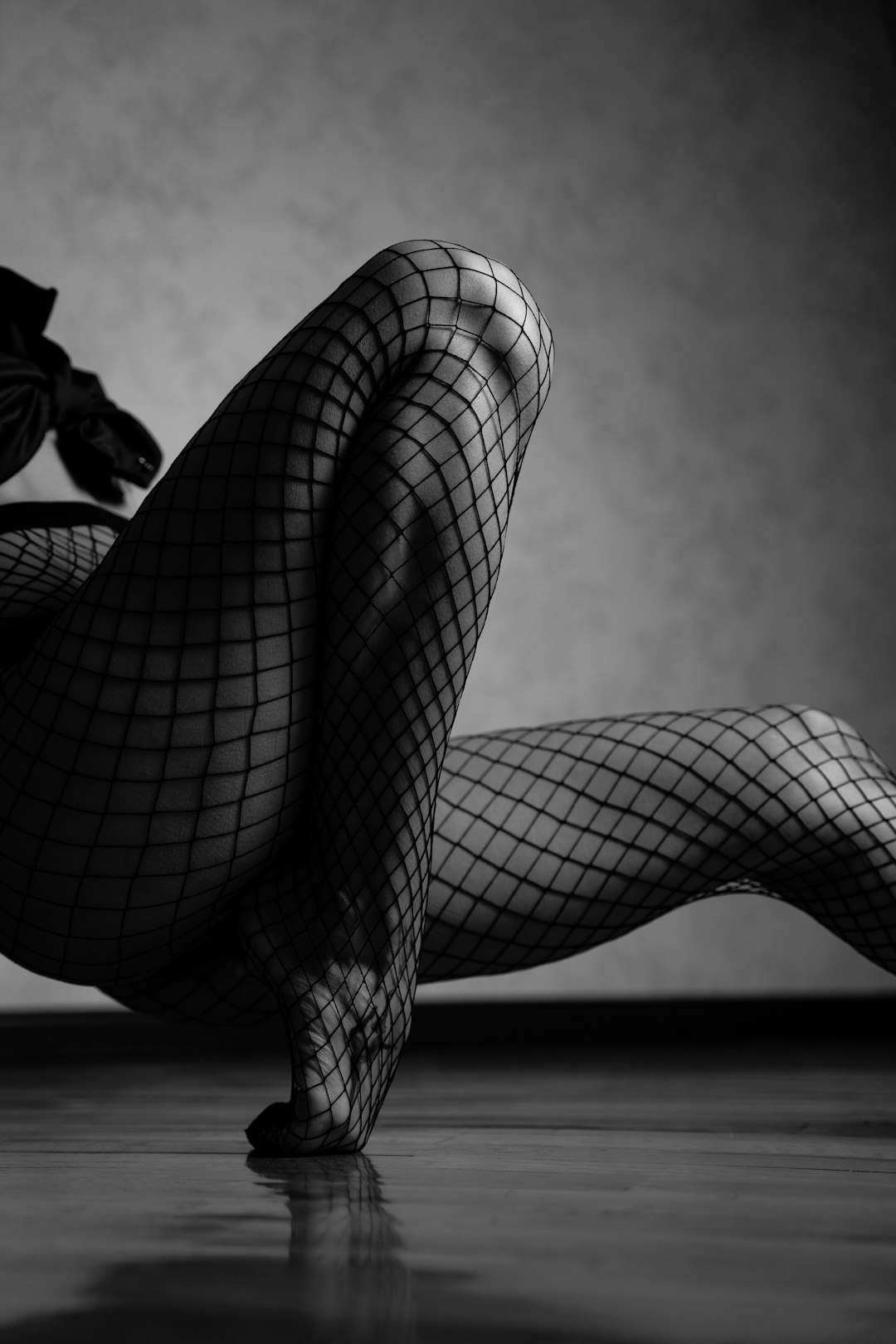
Hip hop dance demands everything from your body—explosive power, fluid isolations, floor work, and freestyle expression. Your clothes should keep up, not hold you back. Yet finding performance wear that fits well, functions under pressure, and reflects your style can feel overwhelming with endless options flooding the market.
This guide cuts through the noise with practical, dance-tested strategies for selecting attire that works with your proportions and your movement vocabulary. Forget rigid fashion rules—we're focusing on what actually matters when you're eight counts into a routine and sweating hard.
Understanding Your Movement Profile
Body typing systems offer a useful starting point, but they're not gospel. Individual proportions vary widely, and hip hop's diverse styles—from breaking to popping to choreography—demand different priorities. Use these categories as flexible guidelines, then prioritize how garments perform during your specific movement patterns.
| Profile | Characteristics | Movement Considerations |
|---|---|---|
| Apple/Circular | Weight carried in midsection; slim arms and legs | Torso isolations, knee drops; need secure waistbands that don't shift |
| Pear/Triangular | Narrower shoulders, fuller hips and thighs | Wide stances, floor work; need flexibility through hips without sagging |
| Hourglass | Defined waist, balanced shoulders and hips | All ranges of motion; need pieces that stay put during level changes |
| Rectangle/Athletic | Straight silhouette, minimal waist definition | Explosive jumps, quick direction changes; benefit from visual interest and structure |
| Inverted Triangle | Broader shoulders, narrower hips | Arm-heavy styles (tutting, waving); need lower-body balance without restricting upper body |
Important: These categories simplify complex bodies. Focus on how clothes move with you rather than forcing yourself into a box.
Tops: Freedom First, Flattery Second
Your upper body drives hip hop's most distinctive movements—popping chest hits, flowing arm waves, sharp isolations. Any top that rides up, restricts range, or requires constant adjustment kills your flow.
Apple/Circular Profiles
Choose: Draped or relaxed-fit crop tops with high-waisted bottoms; longerline sports bras with strategic mesh panels
Why: Creates visual length through the torso while eliminating excess fabric at the waist that bunches during knee drops and floor work. High-waisted pairings ensure secure coverage during torso-driven movements.
Avoid: Boxy tees that hide your shape but billow unpredictably; anything requiring frequent tucking.
Pear/Triangular Profiles
Choose: Structured jackets, hoodies, or tops with shoulder interest (color blocking, subtle padding, architectural seams)
Why: Balances your silhouette visually while preserving the full arm range essential for waves, locks, and expansive choreography. Structured pieces stay in place better than floppy fabrics during dynamic movement.
Avoid: Boat necks or off-shoulder styles that restrict arm elevation and shoulder mobility.
Hourglass Profiles
Choose: Fitted crop tops with secure construction; layered looks with fitted base and open, flowing overshirt
Why: Accentuates your waist without sacrificing function. The key is secure fit—tight enough to stay put during floor work and inversions, with fabric that doesn't become transparent when stretched.
Avoid: Overly compressive pieces that restrict breathing during high-intensity sets.
Rectangle/Athletic Profiles
Choose: Tops with ruching, asymmetrical hems, or diagonal seaming; color-blocked designs that create visual curves
Why: Adds dimensional interest to your silhouette while the structural details often improve garment stability during movement.
Avoid: Completely shapeless pieces that offer no visual structure or movement feedback.
Inverted Triangle Profiles
Choose: Scoop or V-necklines with lower-body volume (wide-leg pants, stacked joggers); dropped-shoulder seams that soften shoulder line
Why: Creates proportional balance without sacrificing the shoulder mobility that powers your upper body work.
Bottoms: Built for Impact
Hip hop bottoms face serious abuse—slides across concrete, deep squats, rapid footwork. Prioritize construction over aesthetics alone.
Apple/Circular Profiles
Harem pants or structured joggers with drawstring waists that lock down. The dropped crotch accommodates your midsection without compression while the tapered ankle prevents tripping during intricate footwork.
Critical detail: Reinforced knees for floor work durability.
Pear/Triangular Profiles
High-waisted leggings or pants with substantial waistbands (3+ inches) that stay put during hip movements. The high rise elongates legs visually while securing coverage through deep squats and wide stances.
Critical detail: Gusseted crotch construction to prevent seam failure during splits and floor work.
Hourglass Profiles
**Fitted leggings


