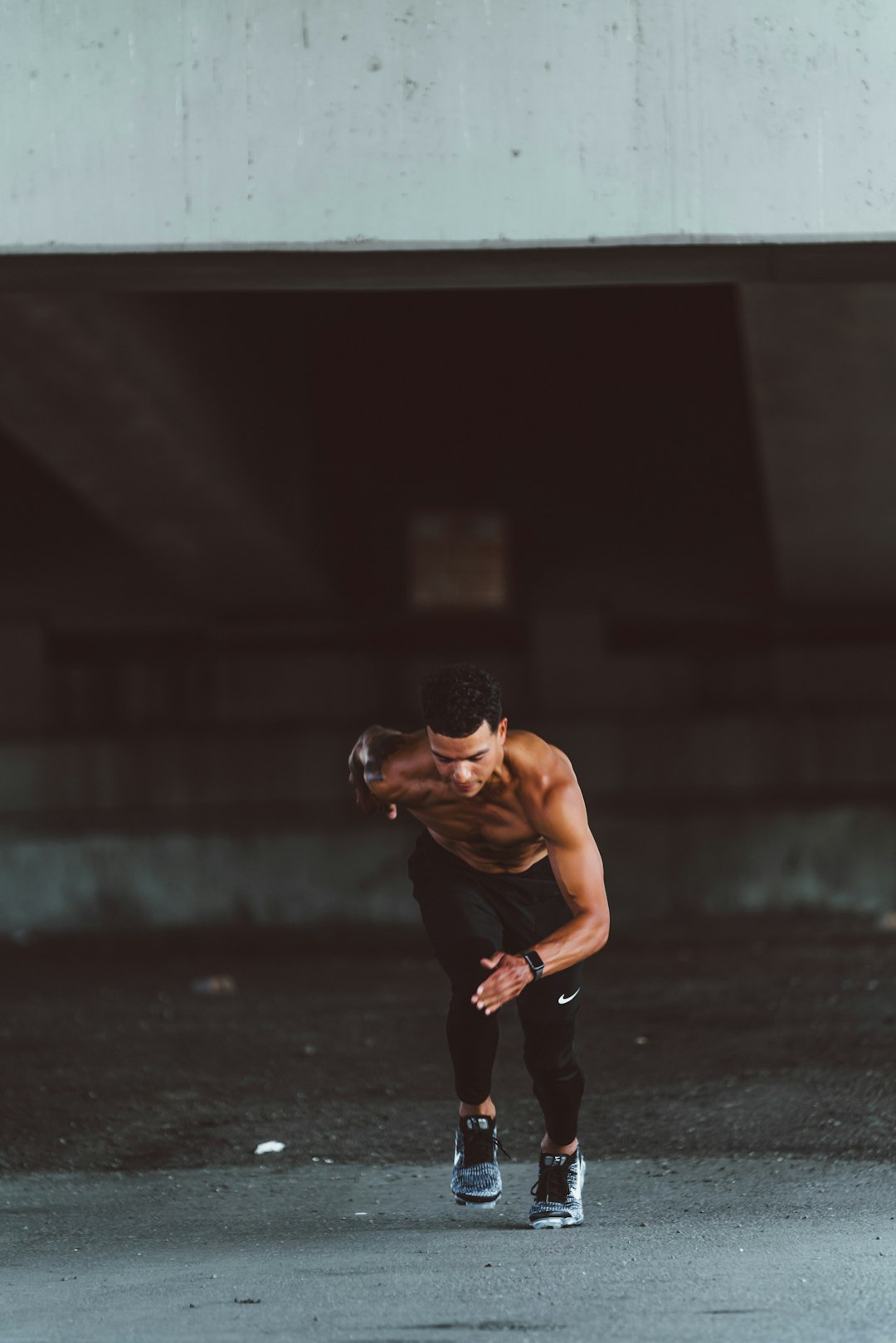
Hip hop dance emerged from 1970s street culture, where dancers wore what they had—basketball sneakers, running shoes, even work boots. That DIY spirit persists today, but the footwear landscape has expanded dramatically. Whether you're a breaker powering through power moves, a choreographer executing precise isolations, or a freestyler flowing across the floor, your shoes directly impact your performance.
Here's what actually matters when selecting hip hop dance footwear—and why "men's" and "women's" labels are just the starting point.
Street Sneakers vs. Purpose-Built Dance Shoes
Unlike ballet or jazz, hip hop never required specialized "dance shoes." Most dancers still prefer modified street sneakers for their durability, style authenticity, and cushioning. However, dedicated dance models exist for those seeking specific performance advantages.
Street sneakers (Nike SB Dunks, Adidas Superstars, Puma Suedes, Reebok Classics) offer robust construction and cultural credibility. Their rubber outsoles grip various surfaces, while their padded collars support ankle rolls and sudden direction changes.
Purpose-built dance shoes (Capezio Rockit, Sansha Hi-Step, Pastry Pop Tart) typically feature lighter materials, enhanced flexibility, and pivot points engineered for smooth turns on studio flooring. These suit dancers who train primarily indoors on Marley or wood floors.
What Actually Determines Fit
Manufacturers market shoes by gender, but individual anatomy varies far more than binary categories suggest. Focus on these measurable factors instead:
Foot Width and Volume
Some dancers need narrow, tapered fits with snug heel counters to prevent slippage during quick footwork. Others require wide toe boxes to accommodate splayed feet during glides or toe stands. Brands like Nike and New Balance offer multiple width options—worth exploring regardless of which gender section you shop.
Arch Height and Support
High arches demand shoes with adequate midfoot structure to prevent fatigue during long sessions. Flat feet may benefit from removable insoles you can replace with custom orthotics. Test this by walking on your tiptoes—if the shoe pinches or gaps appear, the arch mapping doesn't match your foot.
Toe Box Shape
Breaking demands extra room for toe drags, knee drops, and floor work. Choreography-focused styles often favor lower profiles for enhanced ground feel. Try the "thumb test": press down on the shoe's toe area with your thumb. You should feel slight resistance without compression.
Movement-Specific Priorities
Your primary dance style should drive feature selection more than any demographic label.
Breaking (B-Boying/B-Girling)
- Ankle support: High-top silhouettes (Nike Blazer Mid, Adidas Forum) protect against rolls during freezes and power moves
- Toe protection: Rubber toe bumpers withstand repeated drags and stalls
- Cushioning: EVA foam or Air units absorb impact from drops and jumps
- Durability: Leather or synthetic uppers outlast canvas in high-abrasion zones
Choreography and Heels Classes
- Flexibility: Split-sole or deeply grooved outsoles allow pointed toes and articulate footwork
- Weight: Lighter constructions (under 12 ounces) reduce fatigue during repetitive mark-throughs
- Pivot capability: Smooth forefoot zones enable clean turns without knee torque
Freestyle and Open-Style
- Ground feel: Lower stack heights improve proprioception for intricate footwork patterns
- Versatility: Neutral colorways transition between practice, performance, and street wear
Popular Options by Category
| Need | Specific Models | Why Dancers Choose Them |
|---|---|---|
| Durability for breaking | Nike SB Dunk Low, Adidas Superstar | Reinforced stitching, abrasion-resistant leather, established breaking pedigree |
| Lightweight choreography | Capezio Rockit, Sansha Hi-Step | Split-sole flexibility, breathable mesh uppers, studio-optimized pivot points |
| Ankle stability | Nike Blazer Mid, Reebok Freestyle Hi | Padded collars, secure lacing systems, proven injury prevention |
| Budget-conscious versatility | Converse Chuck Taylor, Vans Old Skool | Affordable, widely available, acceptable performance across multiple styles |
| Performance aesthetics | Pastry Pop Tart, Capezio Fierce | Colorway variety for stage presence, though many professionals prefer understated options |
Notably, many elite female dancers— including world champions like Logistx and Sunny Choi—compete in "men's" basketball sneakers for their protective features. Conversely, male dancers in commercial choreography often select lighter, more flexible models regardless of marketing gender.
Testing Before Committing
Never rely solely on size charts. Hip hop dance shoes should fit differently than casual wear:
- Wear your dance socks when trying on—thickness varies significantly between thin ballet socks and cushioned athletic pairs
- **Test on










