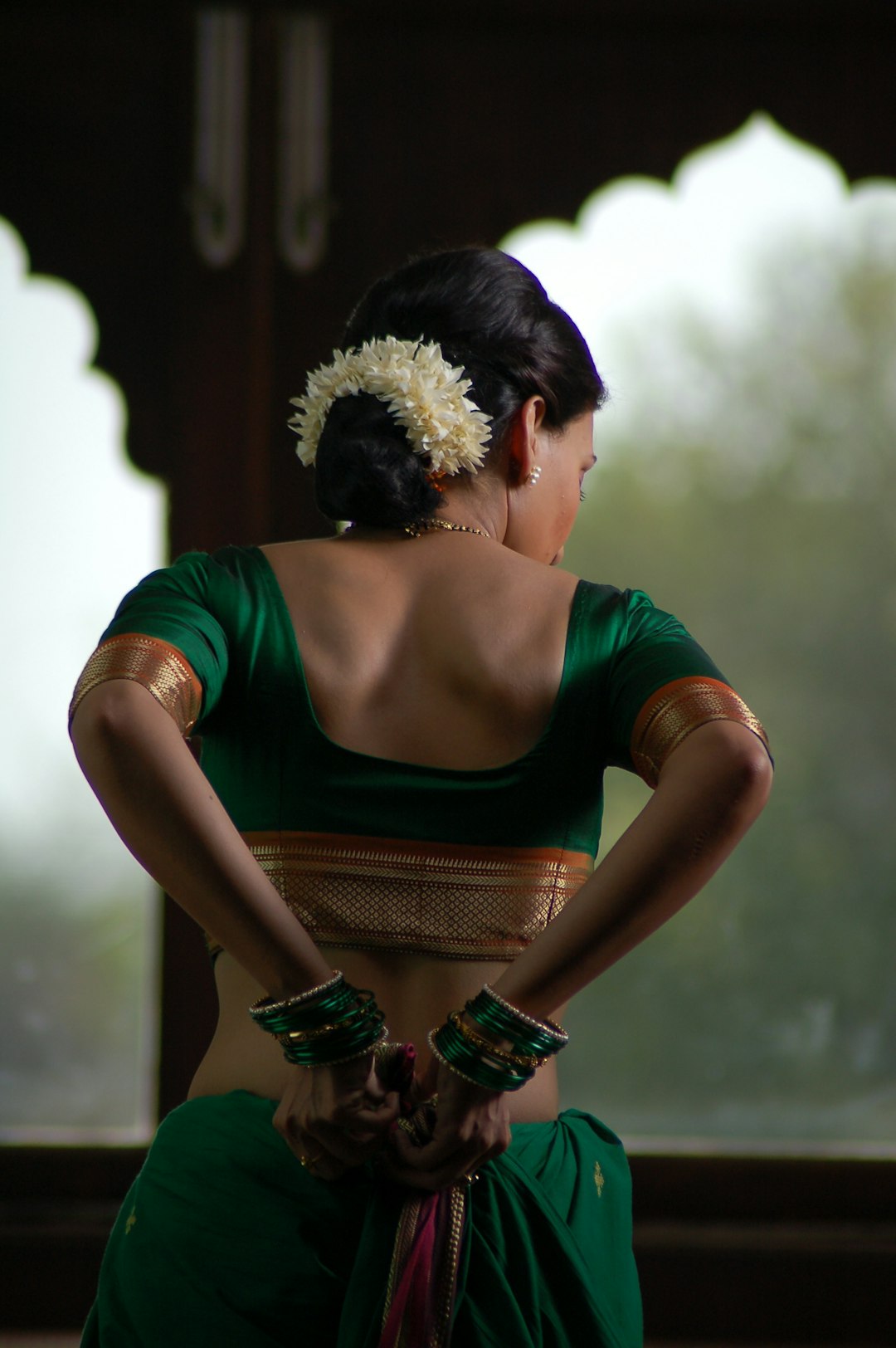
The right color transforms your jazz dance performance from forgettable to unforgettable. Beyond personal preference, strategic color selection enhances movement visibility, complements choreography, and ensures you command attention under stage lights. This guide moves beyond basic color matching to address the technical and artistic factors that separate amateur costumes from professional-grade attire.
Decode Your Undertones for Flattering Foundations
Understanding your skin's undertone—not just its surface shade—creates the foundation for color selection.
Determine your undertone:
- Examine wrist veins in natural light: green indicates warm undertones, purple/blue indicates cool, both or unclear suggests neutral
- Consider jewelry preferences: gold flatters warm tones; silver complements cool; both suit neutral
Warm undertones radiate in coral, amber, olive, and rich earth tones. These hues amplify golden or peachy complexions without creating harsh contrast.
Cool undertones glow in sapphire, magenta, emerald, and icy shades. These colors harmonize with pink or blue-tinged skin rather than fighting against it.
Neutral undertones enjoy the widest palette but should prioritize testing colors under actual performance lighting, as certain shades can shift unexpectedly.
Coordinate with Hair Color Strategically
Hair color creates a natural frame that your costume either harmonizes with or competes against.
| Hair Color | Strategic Approach | Recommended Palette |
|---|---|---|
| Dark brown/black | Create sophisticated contrast through depth | Jewel tones (emerald, sapphire, ruby), metallic accents |
| Blonde | Balance lightness without washing out | Deep teals, burgundy, forest green, rich coral |
| Red/auburn | Avoid direct competition; complement warmth | Navy, charcoal, champagne, soft gold |
| Gray/silver | Embrace modern edge or classic elegance | Crisp black, pure white, icy blue, amethyst |
Avoid pastels paired with very dark hair unless specifically seeking stark theatrical contrast—they often appear disconnected rather than complementary.
Account for Stage Lighting Reality
Colors exist differently under stage lights than in daylight or studio mirrors. This technical consideration separates prepared performers from surprised ones.
Critical lighting factors:
- Color temperature (measured in Kelvin): Warm tungsten lights (2700-3200K) intensify yellows and oranges while muting blues; cool LED rigs (5600K+) preserve blues but can flatten warm tones
- Gel colors: Red gels make red costumes disappear; blue gels can transform navy into black
- Follow spot intensity: Highly saturated colors maintain definition; pale shades wash out
Action step: Request venue specifications including primary lighting instruments and gel colors. Conduct a costume test under matching conditions when possible. Photograph your options under stage lighting—camera sensors often reveal shifts invisible to the eye.
Match Color to Jazz Subgenre Conventions
Jazz dance encompasses distinct stylistic branches, each with established visual vocabularies.
Broadway jazz traditionally embraces bold primaries, black-and-white contrast, and metallic accents. Think Chicago, A Chorus Line—sharp, defined, and immediately legible from balcony seats.
Contemporary jazz favors muted, monochromatic, or tonal palettes. Dusty rose, slate gray, and desaturated teal support fluid, emotional movement without distracting from line and texture.
Funk/street jazz incorporates urban edge: neon accents against black, color blocking, and high-contrast combinations that read powerfully under club-style lighting.
Latin jazz demands warm saturation—coral, tangerine, deep fuchsia—reflecting the style's cultural roots and energetic pulse.
Harmonize with Partners and Ensemble
Coordinated costuming requires strategic color relationships rather than identical matching.
| Relationship | Effect | Application |
|---|---|---|
| Complementary (opposite wheel positions) | Maximum visual tension, dynamic energy | Duet highlights, competitive pieces |
| Analogous (adjacent wheel positions) | Cohesive flow, group unity | Ensemble numbers, corps work |
| Monochromatic (single hue, varying values) | Sophisticated depth, solo focus | Featured performer within group |
| Neutral + accent | Flexible foundation, pop moments | Mixed ability groups, quick changes |
When partnering, ensure sufficient contrast that judges and audiences can distinguish individual contributions while perceiving intentional connection.
Align Color with Choreographic Content
Move beyond "fast = bright, slow = dark" simplification. Instead, analyze your routine's emotional and narrative architecture.
Consider these dimensions:
- Emotional arc: Where does joy, anger, vulnerability, or triumph emerge? Support these peaks with corresponding color intensity
- Musical era: 1920s references suit champagne and black; 1980s homages pop in neon; contemporary scores permit conceptual neutrals
- Character portrayal: Specific roles (ingénue, villain, everyman) carry color associations that accelerate audience understanding
- **Choreographic visualization