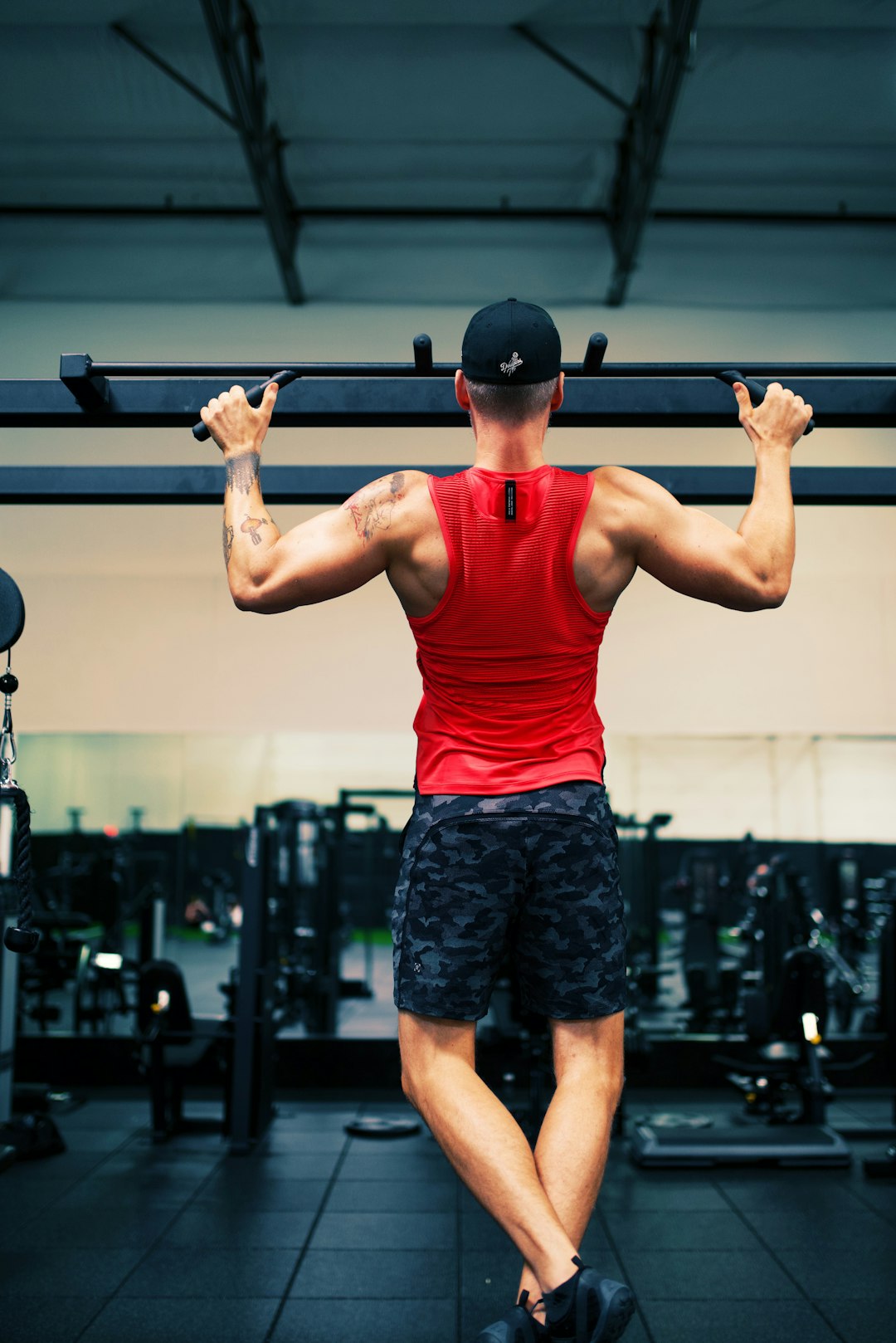
The right tap dance attire does more than look good—it directly affects your performance, your teacher's ability to correct your technique, and even the sound you produce. Whether you're stepping into your first class or preparing for a competition, understanding how clothing functions in tap dance will help you make smarter choices.
What Actually Matters in Tap Dance Attire
Tap dance creates unique demands that other dance forms don't. Your feet are instruments. Your clothing must support rapid weight shifts, deep knee bends, and extended periods of high-intensity movement. Most importantly, nothing should come between your taps and the floor—or between your teacher and a clear view of your feet.
Four Fit Priorities Every Tap Dancer Needs
| Priority | Why It Matters | What to Look For |
|---|---|---|
| Ankle visibility | Teachers and judges need to see footwork clearly | Cropped pants, fitted leggings, or shorts that end above the tap plate |
| Unrestricted knee bend | Deep pliés and floor work require full range | Gusseted crotches, four-way stretch fabrics, no restrictive waistbands |
| Torso stability | Rapid weight shifts need core engagement | Wide waistbands, compression layers, or built-in support |
| Temperature regulation | Tap is cardiovascular work | Breathable, moisture-wicking fabrics; easy layering pieces |
Start With Your Shoes
Before selecting clothing, finalize your footwear. Your shoe choice determines how pants should fit and what movement quality you'll prioritize.
Split-sole tap shoes offer maximum flexibility for intricate footwork, isolations, and rhythm tap styles. They demand pants that sit cleanly above the ankle to avoid fabric catching on the shoe.
Full-sole tap shoes provide stability and sound projection, often preferred by beginners and Broadway-style dancers. Slightly longer pants can work here, but hems should never drag or cover the tap plate.
Heel height matters too. A higher heel changes your center of gravity; you'll want pants that don't bunch at the ankle and tops that stay put during turns.
Fabric and Sound: The Hidden Connection
Your clothing choices affect your acoustics. Heavy fabrics absorb the resonance of your taps, while lightweight materials let your sound ring clearly.
- Best for rhythm tap: Lightweight cotton-spandex blends, moisture-wicking synthetics that don't swish or rustle
- Best for Broadway style: Slightly heavier fabrics that hold shape under stage lights, with strategic construction to prevent muffling
- Avoid: Thick fleece, loose denim, or anything that creates friction noise against your shoes
Consider how pant legs might brush against your shoes during close work like cramp rolls or paradiddles. Tapered or fitted cuts eliminate this problem.
Dressing for Your Setting
Beginner Classes
Prioritize freedom to fall and sweat management. Athletic leggings or fitted shorts, a moisture-wicking tank or t-shirt, and supportive footwear (often sneakers with taps added in introductory programs). Layers help as you warm up and cool down.
Advanced Technique Sessions
Visibility and precision matter. Bike shorts, compression tops, or fitted leotards with tights allow instructors to see line and alignment. Split-sole shoes are standard.
Competitions and Performances
Quick changes become critical. Choose pieces with secure closures, minimal fuss, and coordination with ensemble members. Strategic cutouts, custom tailoring, and dramatic presentation take priority—but never at the expense of hearing your taps clearly.
Historical or Themed Performances
Research is non-negotiable. 1920s Charleston dresses, 1940s zoot suit influences, or vaudeville-era aesthetics each carry specific movement allowances and historical accuracy requirements.
Color, Pattern, and Practicality
For group performances: Coordinate with your ensemble. Solid colors often read better from stage than busy patterns that blur under lights.
For auditions: Choose colors that flatter your skin tone under stage lighting, ensuring you remain visible without distracting from your technique.
For practice: Wear what makes you want to move. Bright colors can boost energy; darker tones hide sweat. The best practice clothes are the ones you forget you're wearing.
Inclusive Sizing and Gender-Neutral Options
Tap dance attire increasingly accommodates diverse bodies and gender expressions. Look for brands offering extended size ranges, adjustable waistbands, and unisex cuts. Built-in support options vary widely—test movement in any new garment before committing to a performance.
Building Your Tap Wardrobe
Start with versatile basics:
- Two pairs of fitted, ankle-length pants or leggings in black
- One pair of shorts for intensive summer training
- Three to four moisture-wicking tops in varying sleeve lengths
- One performance-ready outfit appropriate to your primary style
- Quality tap shoes, professionally fitted, with proper maintenance supplies
Add specialty pieces as your training advances and your performance opportunities expand.