Cumbia's hypnotic rhythm has moved dancers for over three centuries. Born on Colombia's Caribbean coast, this dance evolved from Indigenous cumbes (celebrations), African drumming traditions, and Spanish courtship rituals. Originally performed by couples with candles illuminating the night, Cumbia has transformed into distinct regional styles across Latin America—from Mexico's norteño-influenced variations to Argentina's electronic cumbia scene.
Yet all Cumbia styles share common DNA: the distinctive arrastre, a dragging foot motion that creates the illusion of floating across the floor. Unlike salsa or bachata, Cumbia prioritizes relaxed upper bodies and precise footwork, making it surprisingly accessible for beginners while offering rich complexity for advanced dancers.
Understanding Cumbia Music
Before you move, you need to hear Cumbia. The music's signature sound comes from layered percussion and melodic instruments:
- Accordion or flute: Carries the melodic hook
- Guacharaca: A scraped percussion instrument that marks time
- Caja vallenata: A small drum providing the heartbeat
- Bass drum: Drives the foundational pulse
Cumbia typically follows 2/4 or 4/4 time signatures with a characteristic "long-short" rhythmic pattern. For beginners, seek tracks between 90-110 BPM—fast enough to feel the groove, slow enough to master the technique. Classic starting points include La Sonora Dinamita's "Cumbia Sampuesana" or Celso Piña's cross-border hits.
Tip: Listen for the bass drum's emphasis on counts 2 and 4. This is your anchor.
Mastering the Basic Step (El Básico)
Cumbia's foundation is the arrastre—a dragging step that distinguishes it from other Latin dances. Resist the urge to march or bounce. Instead, think gliding.
Starting Position
- Feet together, weight on the balls of your feet
- Knees slightly soft (never locked)
- Arms relaxed at sides or in loose "L" position (elbows bent, hands near waist)
- Chest open, shoulders down, gaze forward
The 8-Count Breakdown
Practice this slow-motion cycle until it feels natural:
| Count | Action |
|---|---|
| 1-2 | Step right foot to the side (small step, ~6 inches), drag left foot to meet it without shifting weight—keep left heel slightly raised |
| 3-4 | Shift weight fully onto left foot, freeing the right |
| 5-6 | Reverse: step left, drag right foot to meet |
| 7-8 | Shift weight onto right foot, completing the cycle |
The Hip Action
As you drag the free foot, allow the same-side hip to lift slightly—right foot drags, right hip rises. This creates Cumbia's characteristic pendulum motion. The hips move because of the footwork, not as a separate isolation.
Common beginner mistake: Bouncing with each step. Keep your upper body level—imagine a glass of water balanced on your head.
Finding Your Style: Solo and Partner Cumbia
Solo (Freestyle) Cumbia
Danced in lines or scattered formations, solo Cumbia emphasizes personal expression within the rhythm. Key elements:
- The counter-clockwise turn: On counts 5-8, pivot ¼ turn left, completing a full rotation every four cycles
- Arm styling: Soft, flowing movements—imagine stirring honey rather than punching the air
- The "sleepy" aesthetic: Relaxed shoulders, slightly heavy eyelids, effortless cool
Partner Cumbia
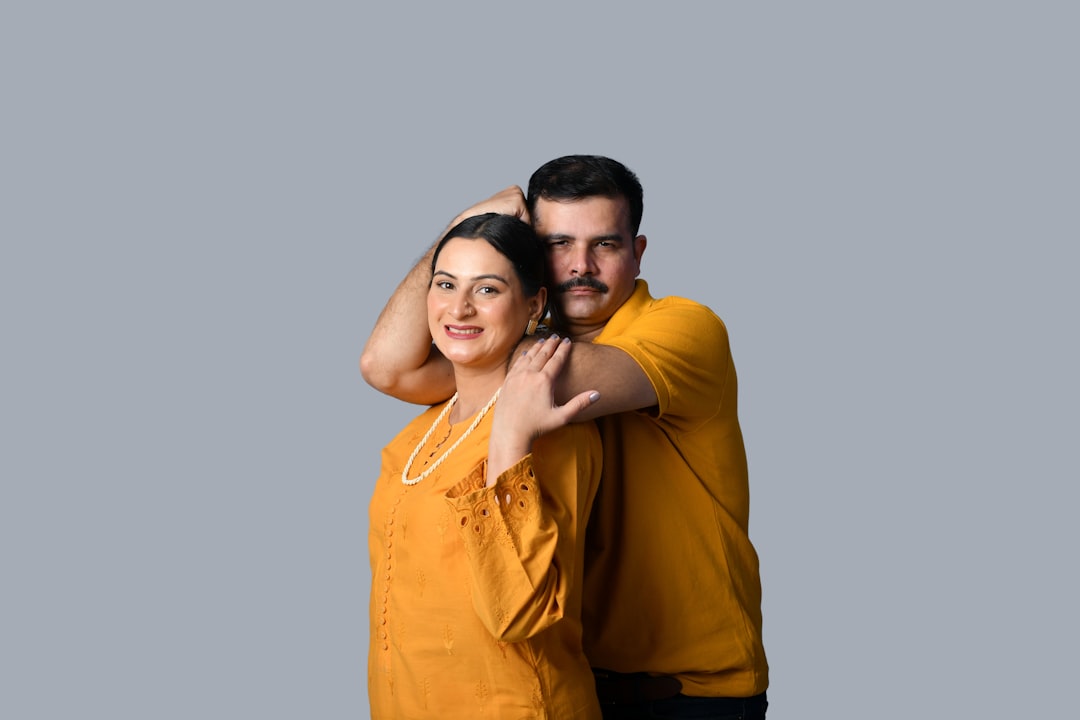
Traditional partner Cumbia uses a loose, flexible frame:
- Stand offset, right sides aligned (the "Cumbia position")
- Leader's right hand rests lightly on follower's left shoulder blade; follower's left hand rests on leader's right shoulder
- Free arms extend loosely at shoulder height, fingertips relaxed
The couple rotates together counter-clockwise around the dance floor, maintaining the arrastre motion throughout.
Adding Authentic Flair
Once your basics feel automatic, layer in distinctive Cumbia styling:
Footwork Variations
- The tap (golpe): On count 4 or 8, tap the free foot's toe lightly without weight—adds rhythmic punctuation
- The slide (desliz): Extend the dragging foot farther before pulling it in, creating a longer, sweeping line
Upper Body Accents
- Shoulder rolls: Slow, circular movements on counts 1-2 and 5-6, opposite to the active foot
- Head tilts: Brief, subtle tilts