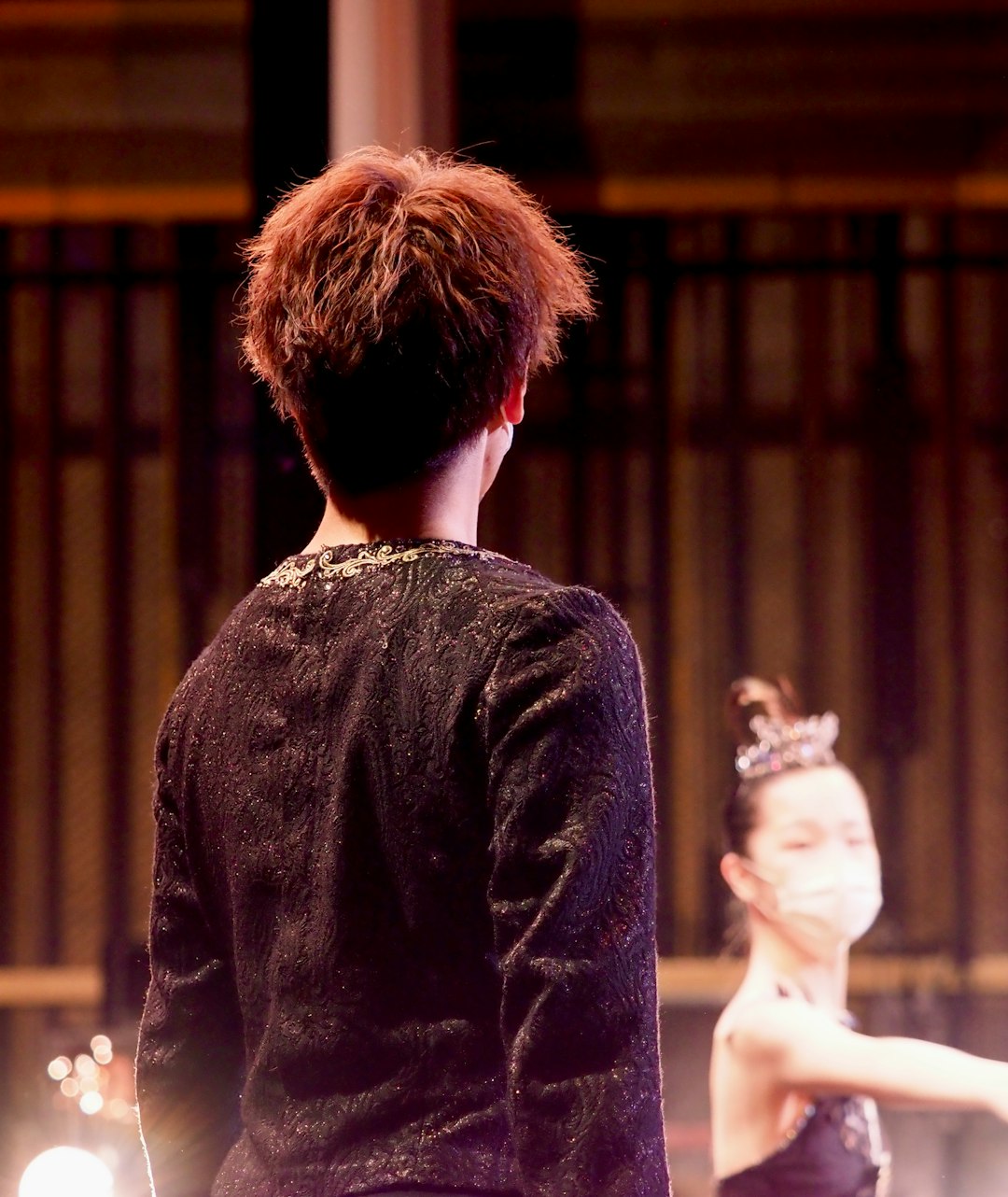
The lights hit. The crowd's buzzing. Your name gets called.
Whether you're walking into your first jam or your fiftieth battle, the moment before you step on that floor never gets easier—but your preparation can. Hip hop dance competitions demand more than clean choreography. They require cultural fluency, strategic thinking, and the ability to perform under pressure. Here's how to show up sharp, perform clean, and leave everything on the stage.
1. Study the Rulebook Like Finals Week
Getting disqualified for a time violation is a rookie mistake you don't want to make. Prelims and finals often have different limits—know both. Some competitions ban explicit lyrics; others require clean versions submitted weeks ahead. Check if props are allowed before you choreograph around a chair.
Pro tip: Screenshot the rules on your phone. Event organizers sometimes make day-of changes, and you'll want receipts if questions arise.
2. Understand the Format
Hip hop competitions vary wildly. Are you in a 1v1 battle with callouts, a crew showcase with set choreography, or a cypher-style elimination?
| Format | What Judges Reward | Your Priority |
|---|---|---|
| Battles | Freestyle adaptability, musicality, crowd control | Reading your opponent, building responses |
| Showcases | Polished execution, synchronization, staging | Clean lines, energy arcs, formations |
| Cypher/Qualifiers | Raw originality, presence, community respect | Standing out without being disrespectful |
Know which skills to prioritize before you step out.
3. Choose Music That Works For You, Not Against You
The right track amplifies your strengths. For battles, hunt for songs with "moments"—breakdowns, tempo switches, or signature samples where you can hit a freeze, level change, or call-and-response with the crowd. For showcases, build energy arcs: start controlled, build to a climax, end on a hard stop that leaves the room silent for half a beat.
Don't sleep on the intro. Judges see dozens of competitors. A memorable first eight counts can frame your entire performance.
4. Practice With Purpose (And a Camera)
There's no substitute for repetition, but mindless drilling wastes time. Film every run-through. Hip hop is visual—what feels big in your body may read small on camera. Watch for dead moments where energy drops, and cut or fill them.
Team competitors: Practice with distractions. Have someone clap off-beat, call random numbers, or play the wrong song. Real competitions have technical failures and ambient chaos. Train for it.
5. Take Care of Your Body Like the Equipment It Is
Competition floors vary—sprung wood, concrete, marley, or that suspiciously sticky rental surface. If possible, train on similar surfaces. Pack a tennis ball for foot release, resistance bands for activation, and know your venue's warm-up space limitations (some jams cram fifty dancers into a hallway).
72 hours out: Prioritize sleep over extra practice. Your muscle memory is baked; your recovery determines how sharply you execute.
6. Build Stage Presence That Reads From the Back Row
In hip hop, confidence translates as competence. Enter with intention—no shuffling to your mark. Use the entire space; staying center reads as fear. Project through your fingertips, not just your face.
For battles: Acknowledge your opponent with respect, then eliminate them with your dancing. Eye contact with judges matters, but don't ignore the crowd—hip hop is call-and-response culture. If they're not making noise, you're not hitting hard enough.
Technical note: Lock your isolations, sit in your grooves, and vary your dynamics. Ten hard hits in a row fatigues the eye. Build contrast: hit, melt, freeze, explode.
7. Scout, Strategize, Stay Hungry
Watch the rounds before yours. Note what judges respond to—are they rewarding intricate footwork, raw power, or musical nuance? In battles, study your opponent's tendencies. Do they repeat a signature move? Leave gaps in their coverage? Battle strategy is chess, not checkers.
Between rounds: Stay warm but conserve energy. The dancer who wins finals often isn't the most talented—it's the one who managed their gas tank.
8. Reframe the Outcome
Losses are data. Top hip hop dancers have been smoked in early rounds dozens of times. The ones who improve watch their footage, note what judges rewarded, and rebuild.
Celebrate your crew's wins harder than you mourn your losses. The relationships you build in the battle scene outlast any trophy. Plus, today's competitor is tomorrow's collaborator.
Final Word: Be Present, Not Just Prepared
The best hip hop dancers