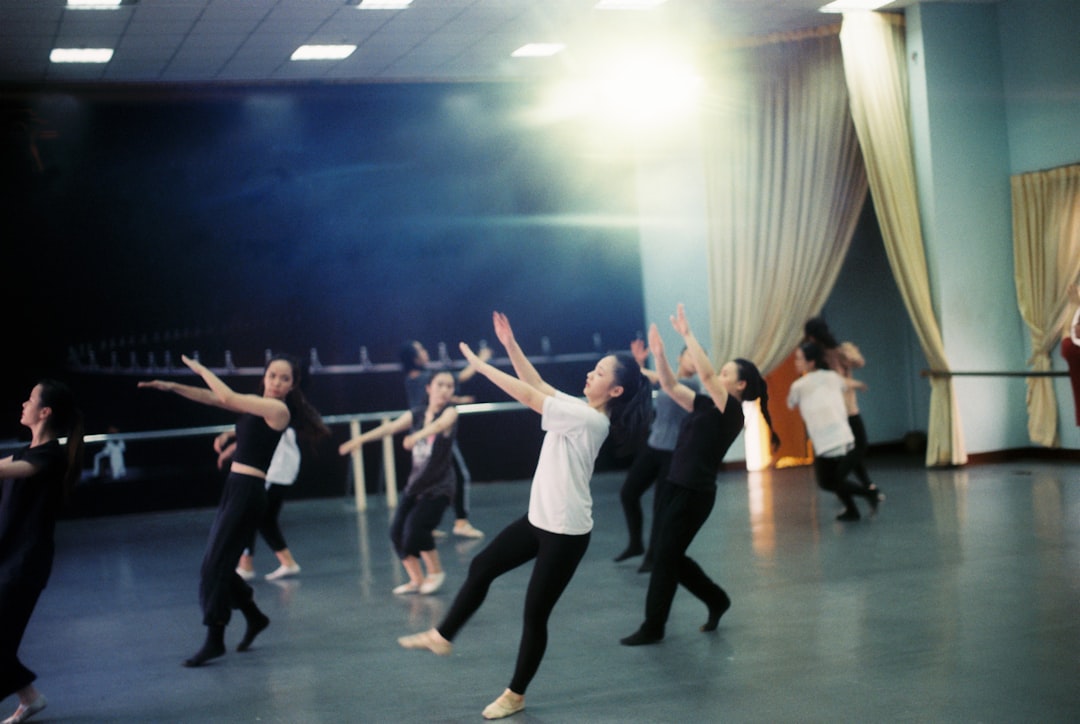
The wrong outfit can turn a transcendent improvisation into a distracted tug-of-war with your clothing. Whether you're dropping into your first floor work sequence or preparing for a professional company audition, what you wear directly impacts how you move—and how you're seen. This guide breaks down everything you need to build a functional, versatile contemporary dance wardrobe.
What Makes Contemporary Attire Different
Contemporary dance fuses elements of ballet, modern, and jazz—often requiring dancers to drop to the floor, suspend off-balance, or explode through space in the same phrase. Unlike the strict dress codes of classical ballet or the character-driven costuming of musical theater, contemporary dance demands clothing that adapts to unpredictable physical demands.
Your attire must handle:
- Grounded, weighted movement (knees, hips, shoulders making floor contact)
- Quick directional changes and off-center balances
- Partnering and weight-sharing (grip-friendly fabrics, no snag hazards)
- Temperature swings between slow, controlled adagio and high-intensity phrase work
Core Principle 1: Prioritize Unrestricted Mobility
Contemporary technique rewards vulnerability and risk-taking—impossible when you're self-conscious about gaping necklines or sliding waistbands.
What to look for:
- Second-skin layers that move with your fascia, not against it
- Flat-locked seams positioned away from high-friction zones (inner thighs, underarms)
- Gusseted crotches in leggings for full split range
- Stay-put waistbands (wide, elastic, or high-rise) that won't roll during inversions
Proven silhouettes:
- Leotards with open backs for spinal visibility
- Unitards for seamless coverage during floor work
- High-waisted biker shorts under loose tops for modesty with airflow
Core Principle 2: Choose Performance-Grade Fabrics
Not all stretch is created equal. The right material maintains compression through a two-hour intensive and recovers its shape for the next day.
| Fabric Blend | Best For | Avoid When |
|---|---|---|
| Microfiber nylon-spandex (80/20 or 88/12) | Daily classes, high sweat sessions | Budget options with poor recovery |
| Supplex® or similar matte performance knits | Auditions, clean lines under lights | Hot yoga-style studios (less breathable) |
| Bamboo-rayon blends | Sensitive skin, eco-conscious dancers | Heavy floor work (pills faster) |
| Merino wool base layers | Cold studios, winter intensives | Direct skin contact in humid conditions |
Critical warning: Avoid 100% cotton for sweaty intensives. It loses shape when saturated, stays damp, and creates dangerous friction during floor slides.
Core Principle 3: Navigate Color and Presentation Strategically
Color choice depends entirely on context—there's no universal "right" answer.
| Setting | Recommended Approach |
|---|---|
| Open classes and auditions | Neutrals (black, charcoal, navy, olive) keep attention on your lines and technique |
| Choreography showcases | Follow instructor specifications; bold colors may enhance visual composition |
| Self-tapes and submissions | Solid, mid-tone colors that read clearly on camera; avoid pure white (washes out) and patterns (moiré) |
| Gala performances | Follow company or choreographer direction; many contemporary companies (Alvin Ailey, Batsheva, Crystal Pite's works) deploy striking costuming deliberately |
Practical tip: Own at least one all-black ensemble. It's the universal default for drop-in classes and last-minute auditions.
Core Principle 4: Master Your Base Layers
Undergarments can make or break your focus. Visible panty lines, shifting straps, or inadequate support become impossible to ignore mid-phrase.
Essential investments:
- Seamless, low-rise dance underwear or thongs (no-show under leggings)
- Convertible or clear-strap dance bras with racerback options
- Dance belts for male dancers (non-negotiable for support and line)
- Body adhesives (fashion tape, It Stays) for strap security during partnering
Layering strategy: Start with a fitted base, add removable warmth (oversized sweater, leg warmers), then strip to your working layer as body temperature rises.
Core Principle 5: Select Footwear for the Floor and the Choreography
Contemporary footwear exists on a spectrum from barefoot connection to protective coverage.
| Option | Best For | Considerations |
|---|---|---|
| Bare feet | Technique class, improvisation, contact improvisation | Build calluses gradually; inspect floors for splinters |
| **Ballet |










