In tango, your clothing is your partner before your partner is. An ill-fitting skirt catches during a boleo; a gaping neckline distracts during the abrazo; the wrong waistband becomes unbearable by the third tanda. Whether you're preparing for your first milonga or your fiftieth performance, fit isn't about appearance—it's about disappearing into the dance.
1. Know Your Measurements—and How Tango Changes Them
Before you start shopping, record your chest, waist, hip, height, and inseam measurements. But tango demands more precision than standard sizing charts provide.
Measure for movement, not stillness:
- Add 2–3 inches to your chest measurement to account for the expanded ribcage during deep breathing
- Check your waist circumference while seated—milongas involve long periods in close embrace
- For skirts, measure your fullest hip point and your thigh circumference; boleos and ganchoes require fabric clearance
Compare these adjusted measurements against retailer size charts, but treat them as starting points, not answers.
2. Choose Fabrics That Work as Hard as You Do
Tango clothing faces unique physical demands: sustained body contact, rapid temperature changes, and dramatic movements that test every seam.
What to look for:
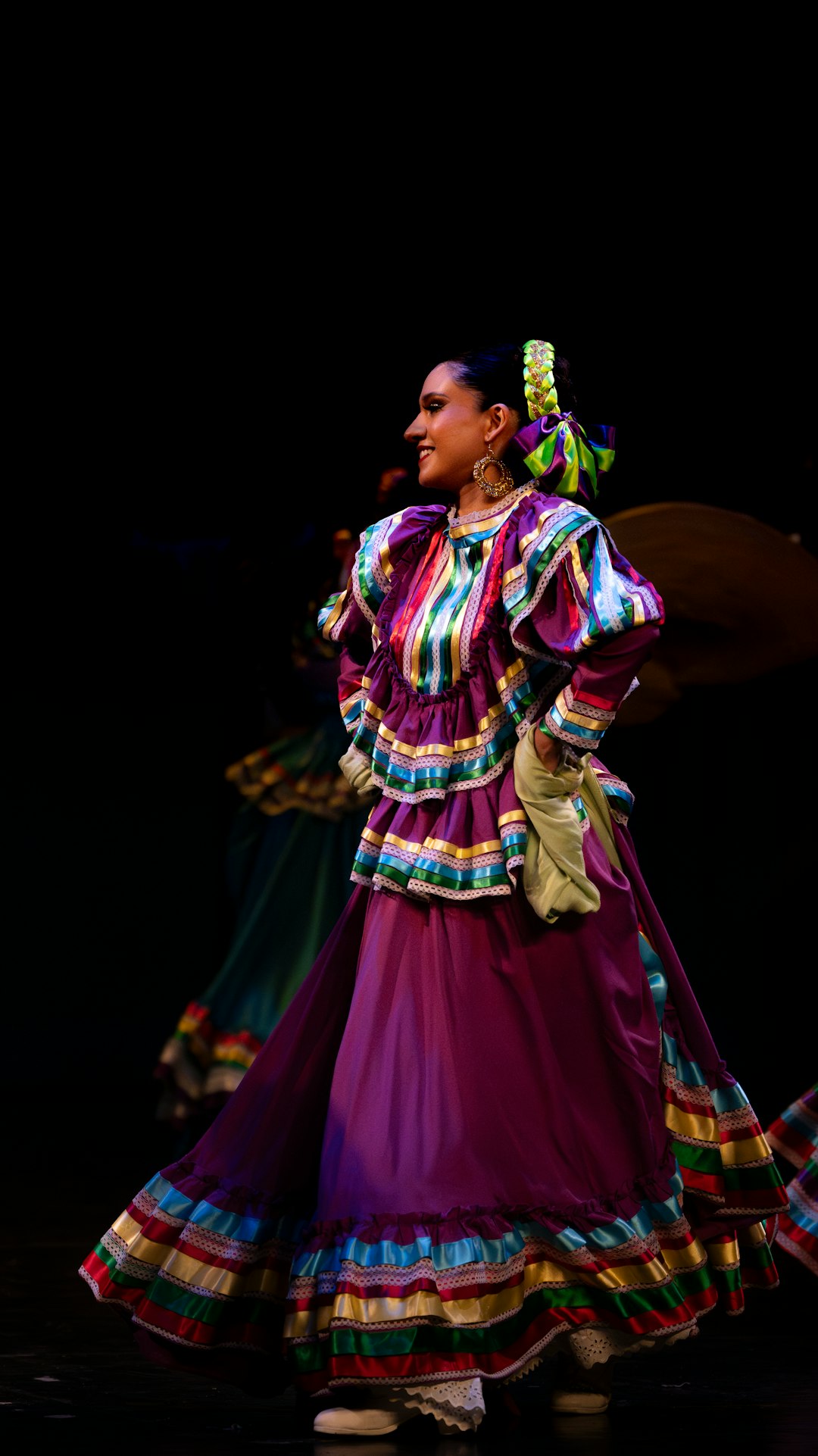
- Drape and weight: Skirts need substantial hem weight (often achieved with hidden chain weights) to maintain elegant lines during pivots without flying up
- Static control: Blends with 8–12% spandex prevent the cling that disrupts close embrace connection
- Moisture management: Milongas run hot; moisture-wicking linings in structured tops prevent discomfort during sustained chest-to-chest contact
- Recovery: Fabrics should return to shape after being compressed in the abrazo for hours
Avoid: Heavy denim, thick wool, and fabrics without four-way stretch. These restrict the pivots and ochos that define the dance.
3. Match Cut and Style to Your Tango Subculture
Tango isn't monolithic. Your clothing needs depend on where and how you dance.
| Style | Fit Priorities | Key Considerations |
|---|---|---|
| Salon/Milonguero | Close embrace efficiency | Tops that don't gap at the back when leaning forward; skirts with slit placement that won't tangle in legs |
| Nuevo | Athletic range of motion | Higher spandex content; secure waistbands that stay put during volcadas and colgadas |
| Stage/Performance | Dramatic silhouette visibility | Structured bodices; skirts with maximum flare and controlled movement |
| Práctica | Durability and simplicity | Machine-washable fabrics; forgiving fits for repetitive drilling |
For the abrazo specifically, test tops by pressing your back against a wall—any gapping indicates fit failure during close embrace.
4. Engineer Your Foundation Layer
Tango's intimacy makes undergarment choices as critical as outer layers.
- Women: Leotard-style bodysuits stay put through ochos and pivots; seamless, low-profile cuts prevent visible lines during sustained contact
- Men: Dance belts provide essential support during pivots; moisture-wicking base layers prevent overheating in formal jackets
- All dancers: Test your complete underlayer—stockings, shapewear, dance belt—during practice before wearing to a milonga. A wardrobe malfunction at práctica is education; at a milonga, it's interruption.
5. Try Before You Commit—With Tango-Specific Tests
If possible, try on clothing with movement, not just mirror-checking.
Your fitting room routine:
- Perform three consecutive ochos—does the waistband stay put?
- Raise one leg to hip height—does the skirt ride up or tangle?
- Press your back against the wall—does the top gap?
- Hold a sustained lean forward for 30 seconds—does anything dig, shift, or compress uncomfortably?
For online purchases, prioritize retailers with generous return policies and detailed garment measurements. Order multiple sizes when uncertain.
6. Consider Alterations as Standard Practice
Even premium tango clothing rarely fits perfectly off the rack. A skilled tailor can:
- Add hem weights to skirts for proper drape
- Adjust bodice length to prevent waistband rollover during forward posture
- Modify sleeve tightness for freedom in embrace frames
- Secure neckline gaps that compromise close connection
Budget 15–25% of your garment cost for alterations. The difference between "almost right" and "invisible" is worth the investment.
Seasonal and Situational Considerations
- Marathon weekends: Pack multiple outfits; fabrics saturated with sweat lose stretch and become uncomfortable
- Outdoor milongas: Lightweight, breathable layers that