The Song That Changed Everything
I still remember watching a Ukrainian hopak at a festival years ago. The dancers were skilled, sure — but what made the whole tent go silent was the moment the bandura started playing. Something shifted. The music didn't just accompany the dance; it became the dance. That's when I realized picking the right track for a folk routine isn't a detail. It's the whole ballgame.
What Makes Folk Music So Different
Pop songs are built for radio. Folk songs are built for bodies moving in rooms. There's a reason a Romanian hora feels different from a Greek syrtos, even if you can't name it right away. These melodies carry generations of muscle memory — wedding celebrations, harvest rituals, mourning processions. When you choose a piece of folk music, you're borrowing someone's history. Treat it with respect.
That doesn't mean you need a PhD in ethnomusicology. But knowing whether a tune comes from a festive tradition or a solemn one will save you from the awkward mismatch of slapping an energetic Bulgarian pravo onto a contemplative piece about loss.
Three Things That Actually Matter When Choosing a Track
Tempo isn't just speed. A fast tune doesn't automatically mean a fast dance. Some of the most electrifying folk performances I've seen used moderate-tempo music with sudden rhythmic punches — think Irish reels that lull you into a pattern, then explode into a treble-heavy flourish. Listen for the energy shifts inside a track, not just its BPM.
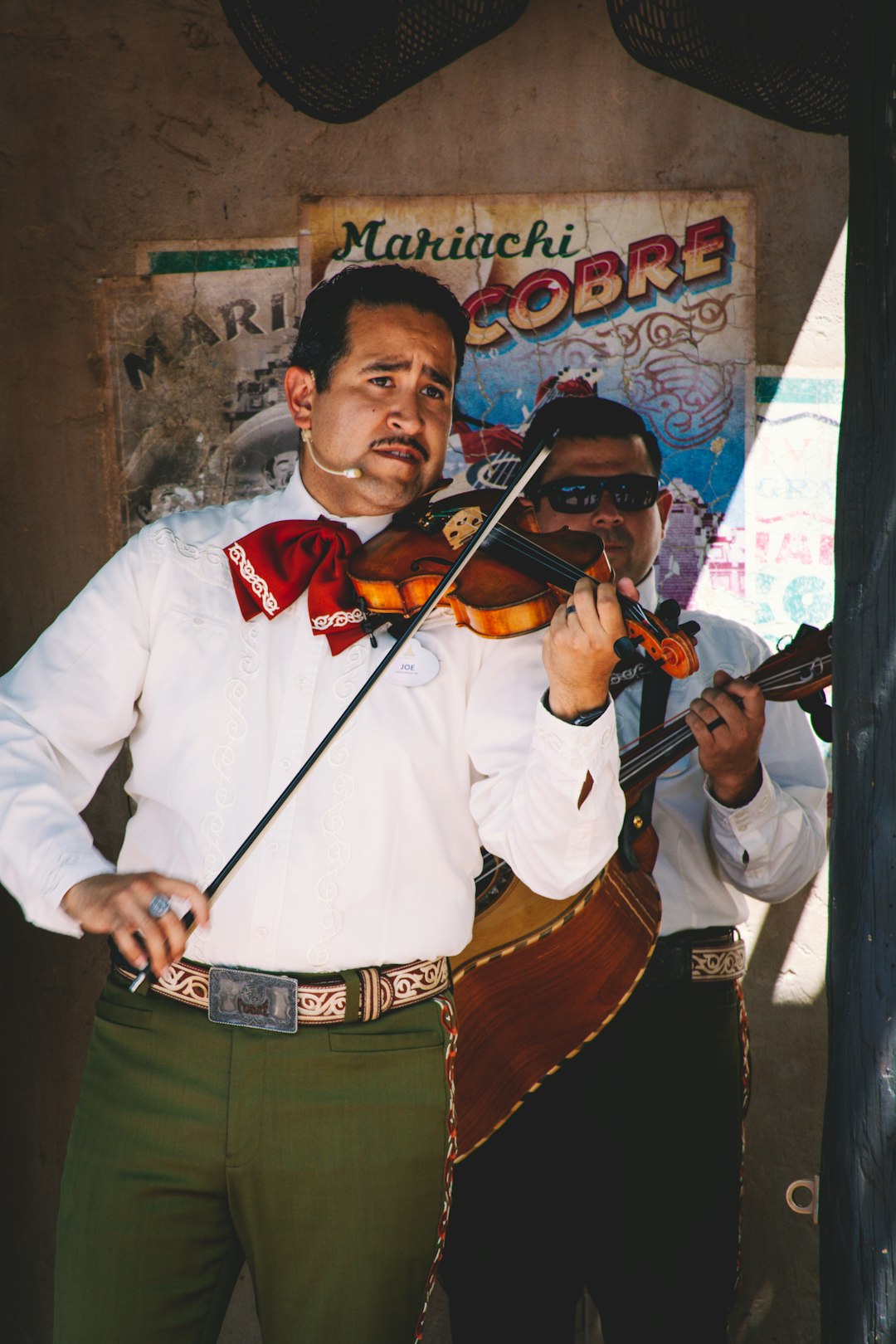
Mood lives in the details. A clarinet wailing in a Klezmer piece carries a completely different emotional weight than a fiddle sawing through an Appalachian breakdown. Both are "lively." Both are "upbeat." But they'd wreck each other's routines if you swapped them. Pay attention to which instruments lead the melody and what feelings they evoke in your gut.
Authenticity isn't about perfection. You don't need field recordings from 1930s Galicia. Modern folk arrangements work beautifully — as long as they respect the source tradition. A well-produced Armenian duduk track with clean audio beats a scratchy archival recording when you're performing for an audience that needs to hear the nuances you're dancing to.
Making the Music Part of Your Body
Here's where most dancers stumble: they learn the choreography first and bolt the music on afterward. Flip that process.
Start by listening to your chosen track on repeat — not while doing anything else, just sitting with it. Let it bore you. Let it surprise you. Notice the second verse has a subtle drum fill you missed the first ten times. Mark those moments. They're your signposts.
Then, walk through the routine slowly with the music playing. Not performing, just moving. You'll find that certain phrases pull your arms up or ground your feet without you deciding. That's the music teaching you. Trust it.
One trick that's worked for every dancer I've coached: practice the routine once a week without the music. If you can feel the melody in your silence, you've internalized it. If you can't, you're still just counting beats.
The Part Nobody Talks About
A folk dance performance without the right music is like a campfire without warmth — technically present, but missing the thing that draws people in. Your audience might not know the difference between a mazurka and a polka, but they'll feel it in their chest when the music and movement lock together.
So before you nail that next turn sequence or perfect your footwork, sit down with your headphones. Close your eyes. And ask yourself: does this song make me want to move? If the answer isn't an immediate, involuntary "yes," keep searching. The right tune is out there — and when you find it, your dance will stop being a routine and start being a story worth watching.