The Night Everything Clicked
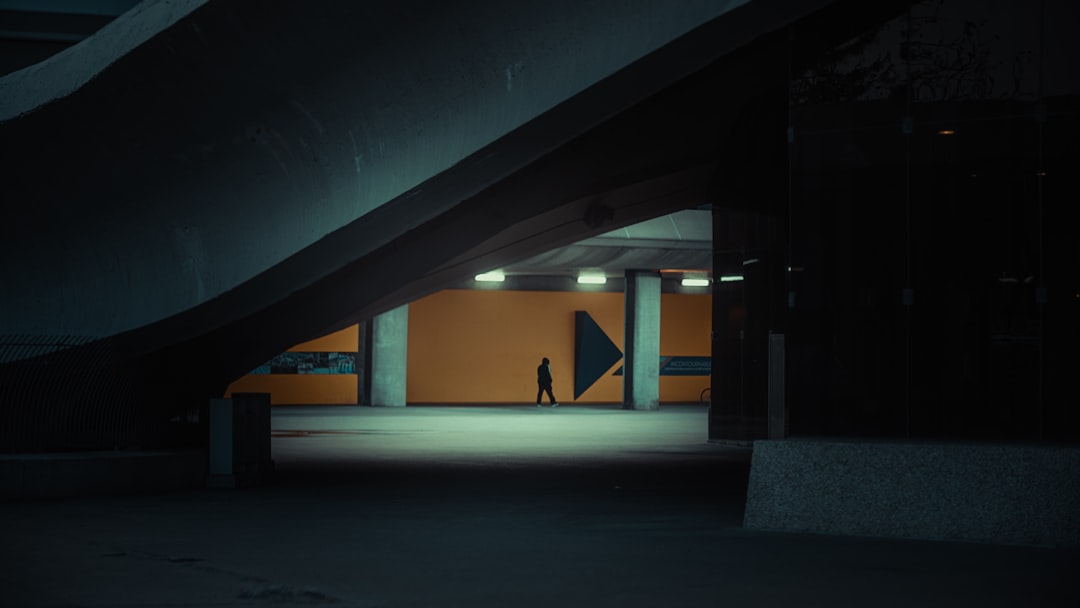
It was past midnight on a humid July evening when roughly forty dancers packed into a converted auto shop off Harrison Avenue. No stage lights. No velvet ropes. Just concrete floors, a jury-rigged sound system, and a circle of bodies trading freestyle rounds until 3 a.m. That cramped, sweaty warehouse was where I first understood what Victor City's hip hop dance scene actually is—not an industry waiting to be discovered, but a living language spoken in parking lots, rooftop sessions, and after-hours studios that smell like floor wax and ambition.
Concrete Roots
Victor City doesn't hand you culture on a polished platter. You have to dig for it. The city's dance identity was forged in the tension between its industrial downtown grit and the vibrant immigrant neighborhoods that butt up against it. Korean breaking crews practice power moves on the cracked basketball courts of Riverside Park while Latin freestyle dancers host weekly sessions in the basement of a bodega on West 18th. These pockets don't stay separate for long. Watch a Tuesday-night cypher at The Factory collective and you'll see a popping specialist from the east side trading rounds with a self-taught animator who learned everything from YouTube tutorials in their bedroom.
What emerges from that collision isn't a "style." It's an attitude—sharp, quick-witted, and fiercely democratic.
The Spaces That Built It
The scene didn't rise because someone built a shiny performing arts center. It rose because dancers created spaces out of nothing.
Take the late-night sessions at Studio 4B, a second-floor rehearsal room above a dim sum restaurant where choreographers test unfinished pieces in front of whoever shows up. Or the monthly "Pay-the-Rent" battles organized by the Concrete Roots crew, where winner-takes-all cash prizes barely cover the space rental, but nobody cares because the real currency is respect. Even the local YMCA on Grant Street became legendary after a youth coordinator left the gym unlocked past closing on Fridays, accidentally launching a three-year tradition of underground freestyle circles.
These aren't programs. They're accidents that the community refused to let die.
Faces You Should Know (But Probably Don't Yet)
You won't find most Victor City dancers on competition reality shows. They're too busy teaching 7-year-olds foundational grooves at community centers or filming concept videos in graffiti-covered alleyways at golden hour.
Darius "Ghost" Lin, a breaker in his early twenties, moves like gravity is merely a suggestion. He funds his international battle travel by working shifts at a relative's dry cleaning business, then spends weekends mentoring a crew of teenage girls who call themselves The Architects. Maria Santos, a freestyle house dancer, hosts the city's only podcast dedicated to street dance history—recorded from her kitchen table with a $40 microphone. Her episodes on the evolution of Victor City's footwork patterns have become required listening for any serious local dancer.
Then there's the Midnight Collective, a rotating group of about fifteen choreographers who've developed a hybrid style mixing hip hop foundations with the city's indigenous folk dance influences. Their guerrilla-style performances in subway stations last winter went viral—not because they were polished, but because they looked unmistakably like Victor City.
The Double-Edged Screen
Social media didn't create this scene, but it did crack open the walls. Three years ago, a dancer named Javi posted a clip of a session behind the old flour mill. The audio was terrible. The lighting was worse. But the clip captured something authentic: a circle of strangers erupting when a shy fifteen-year-old landed her first clean headspin. That video traveled. Within weeks, dancers from Detroit and Toronto were driving down to see if the sessions were real.
Now Instagram and TikTok serve as the scene's informal archive. Dancers post "before class" freestyles, raw battle footage, and honest rants about knee injuries and creative burnout. The result? Victor City's dancers have global reach without losing local texture. A kid watching in Berlin can study a Victor City footwork pattern, but they can't replicate the feeling of dancing it while trains rattle overhead on the elevated track.
What Comes Next
Nobody here is waiting for permission. The scene's next evolution is already unfolding in the form of dancer-led nonprofits teaching financial literacy to artists, and a cooperative studio model where choreographers pool equipment and split rent based on income. There's even talk—serious talk—of converting that same auto shop on Harrison Avenue into a permanent community dance center.
But the heart of it won't change. Whether it's forty dancers in a warehouse or four hundred in a converted theater, Victor City's hip hop scene will keep its defining trait: the circle. No judges. No barriers. Just movement, passed hand to hand like a secret that everyone is invited to learn.
The city doesn't break boundaries. It dances right through them.