---
I used to think folk dance was something you could learn from YouTube.
That's the first mistake I made, and I made it for about three years.
It was Portland, 2019. I'd stumbled into a ceilidh at a Scottish festival, watched a roomful of strangers grab hands and move in unison like they'd been rehearsing for months, and thought: I want that. I went home and found a tutorial. Simple enough—step-together-step, turn, repeat. I practiced in my living room until my landlord knocked on the ceiling with a broom.
Showed up to my first Irish session three months later feeling confident.
I was terrible. Not bad at the steps—bad at the whole thing. I'd learned the footwork but missed everything else: when to step hard on the downbeat, how to lean into the turn, the fact that the elderly woman next to me had been dancing this her entire life while I was still counting out loud on bar six.
Here's what nobody tells you about folk dance: your feet are the last thing you should worry about.
You have to listen to the music like it's a language you need to absorb. Not learn. Absorb. I spent months memorizing choreography before I realized I couldn't even hear when the tempo shifted. Once I started just—listening—something clicked. My body started moving before my brain could overthink it.
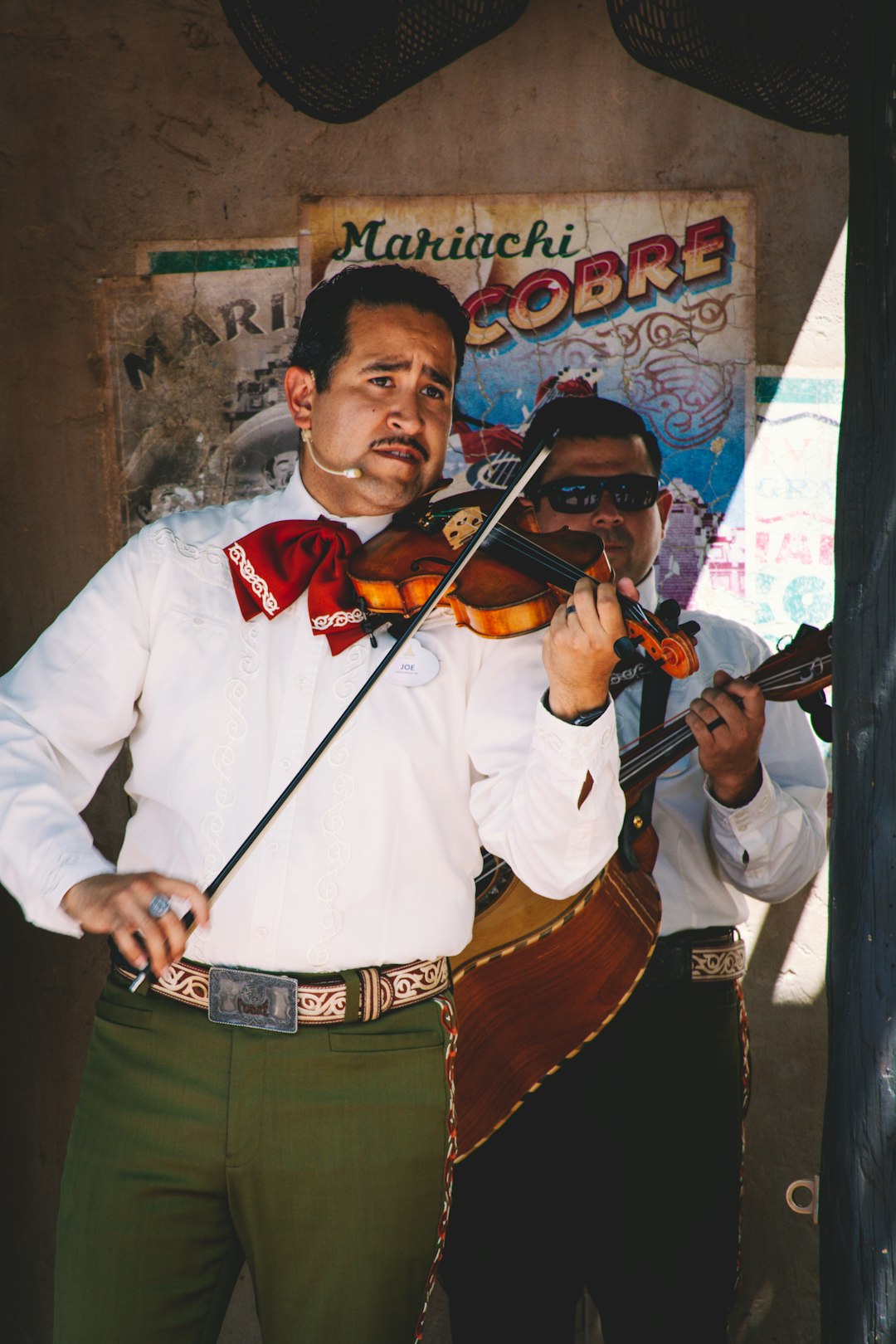
The dance you're drawn to matters more than you think. I tried Greek hasapiko once. Beautiful, but too rigid—the history wrapped around it felt like a formal dress I hadn't been invited to wear. Mexican fandango, though. That clicked. The zapateado footwork, the call-and-response between dancers, the way everyone circles up and someone just—starts—playing, and you figure it out together. That felt like my grandmother's kitchen on a Sunday.
Find the one that makes you want to move before you try to learn anything technical. If it doesn't feel right in your body, keep looking.
The communal thing is real, and it's the scariest part. You're going to step on someone's foot. You're going to be the person counting out loud. You're going to go the wrong direction while everyone else goes the other way.
That happened to me at a Serbian wedding in Minneapolis. I spun left instead of right, crashed into the bride's aunt, and spent the next three songs pretending I'd meant to do that. Everyone forgets the mistake by the second song. You won't.
Go anyway. Join the group. Make the mistake. The steps aren't the point—the point is showing up in a room full of strangers and choosing to move together.