The Night I Couldn't Sit Still
Maria grabbed my arm and pulled me onto the floor. "You're thinking too much," she laughed, spinning me into a salsa basic. Three months earlier, I'd walked into my first class at Ritmo Latino Studio convinced I had two left feet. Now? I was dancing at a social night, actually having fun. That's what Pima City's dance scene does to you—it sneaks up on your expectations and shatters them.
Not Your Grandmother's Dance Class
Let me be straight: most dance studios bore me to tears. Endless drills, robotic instructors, that one student who takes everything way too seriously. But Pima City surprised me. The studios here feel... alive.
Take Casa de Baile on Oak Street. Walk in on a Tuesday evening and you'll smell the wood polish, hear bachata bleeding through the walls, see about fifteen people laughing at their own mistakes. The instructor, Carlos, learned salsa in Cali, Colombia—actual Cali, not "I watched YouTube videos" Cali. He teaches you to feel the music, not just count beats.
"We don't make dancers here," he told me during a break. "We make people who can't stop moving." He wasn't wrong.
Where Beginners Actually Belong
Here's something nobody tells you about starting Latin dance: you will look ridiculous. You'll step on toes. You'll spin the wrong direction. You'll forget every move the second the music starts.
The good studios get this. Pima Dance Academy runs a "WTF Wednesday" beginner class (yes, that's really what they call it) where messing up is basically the curriculum. Last month, I watched a guy trip over his own feet during a cha-cha and the whole room—including him—cracked up. Then the instructor broke down the step in three different ways until he got it.
That's rare. Most studios either coddle you with unrealistic promises or throw you into the deep end. These folks found the sweet spot.
Social Nights: Where the Real Learning Happens
Classes teach you steps. Social nights teach you to dance.
Studio 108 hosts Friday socials that start at 8 PM and somehow never end before midnight. Last Friday, I counted forty-five people ranging from nervous first-timers to that one guy who clearly competed professionally (he wasn't showing off, just... moving differently). The DJ played a mix of salsa, bachata, and merengue that kept everyone rotating partners.
What struck me: the advanced dancers actually danced with beginners. Not as charity—they genuinely wanted to. "Teaching someone else makes me better," one told me. "Plus, their excitement reminds me why I started."
The Competitive Track (If You're Into That)
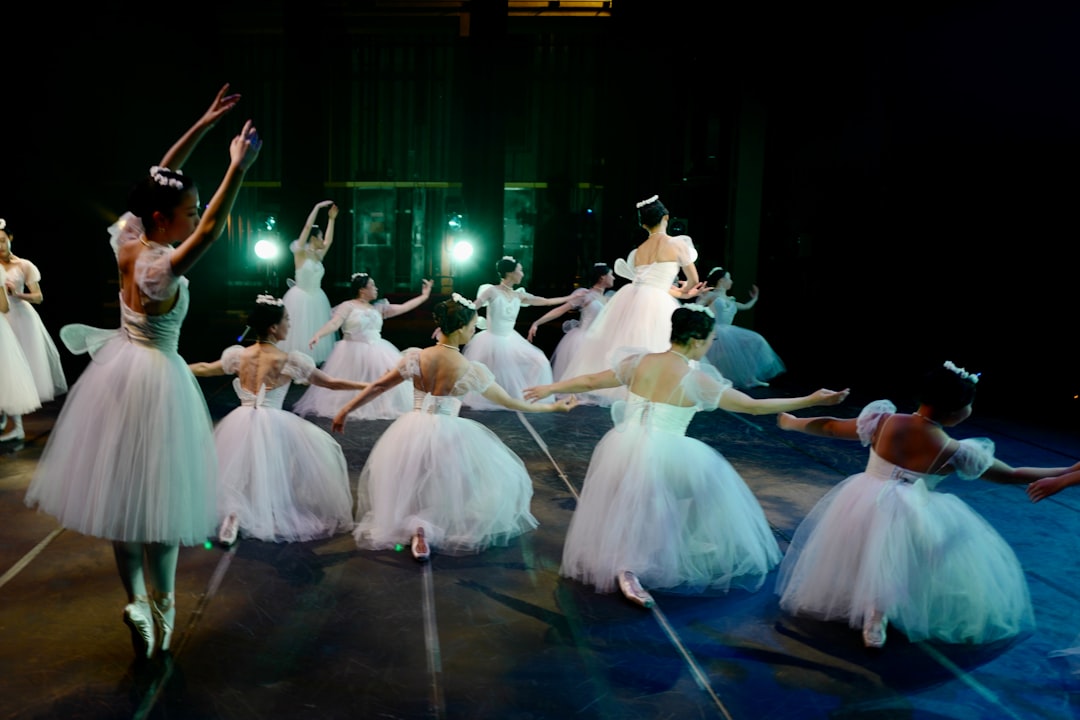
Not my thing, but I get why some people love it. Pima City has three studios with competitive teams: Elite Latin Dance, Movimiento Dance Co, and Aztec Rhythm. A friend joined Elite's performance team last year and now spends six hours a week rehearsing for competitions in Phoenix and San Diego.
She loves it. She's also exhausted constantly. "It's not for everyone," she admitted over coffee. "But when you nail a routine on stage? Nothing else matters."
If you're considering this path, know what you're signing up for: real commitment, real costs (costumes, travel, entry fees), and real drama. Dance competition culture has... personality.
Fitness Disguised as Fun
Here's what nobody expects: Latin dance will wreck you physically—in the best way.
After two months of salsa classes, my Apple Watch started congratulating me on workouts I didn't realize I was doing. A one-hour class burns 400-500 calories. Your core gets stronger from all those hip movements. Your balance improves. Your shoulders loosen up from hours at a desk.
Some studios lean into this. FitRhythm Studio (clever name, I know) offers "Latin Cardio" classes that are basically dance fitness in disguise. You'll learn real moves while dripping sweat. It's the only workout I've ever stuck with.
What to Actually Look For
After six months and way too much money spent on classes, here's my honest advice:
Check the instructor's background. Not credentials—background. Did they learn from other instructors? Compete? Perform? Someone who's actually lived the dance culture teaches differently than someone who memorized a syllabus.
Watch a class before signing up. Any decent studio will let you observe. Look at the students: are they engaged? Laughing? Or silently counting down the minutes?
Ask about social events. If a studio only offers classes with no social dancing, that's a red flag. Latin dance is social by nature—partners, community, connection. A studio that doesn't foster that is missing the point.
Trust your gut about the vibe. Some studios feel like family. Others feel like business. Both have their place, but you'll know which one fits you within five minutes of walking in.
The Studio That Changed Everything
For me? It was Casa de Baile. The night I realized I could lead a partner through an entire song without panicking—without thinking—I finally understood what Maria meant months earlier. The thinking was the problem.
Dance isn't about perfect technique. It's about the moment when the music takes over and your body just... knows what to do.
Pima City has at least a dozen solid options for Latin dance. Try a few. Find your people. And for the love of everything, wear shoes you can actually move in—your feet will thank me later.
The rhythm's already there. You just have to show up and let it find you.