The Sound That Hooks You
There's a moment in every Flamenco class when the room goes quiet except for the staccato thunder of shoes against wood. Thirty feet striking the floor in imperfect unison—some crisp and confident, others tentative and apologizing with softer taps. I was definitely in the second group.
I showed up at the Fox Lake Community Center last winter with zero dance experience and a pair of character shoes I'd bought in a panic the night before. The woman at the front desk just smiled and pointed me toward Studio B, where a small group was already stretching. No audition. No prerequisite. Just "come in and make noise."
What Your First Class Actually Feels Like
Flamenco isn't polite. It doesn't ask permission. From the first ten minutes, you're using muscles you forgot existed—arches of the feet, the small of the back, forearms you never realized could ache. Instructor Maria Elena Vargas doesn't ease you in gently. She demonstrates a simple zapateado pattern, counts out loud in Spanish, and expects you to follow. The learning curve feels vertical.
But here's what surprised me: nobody stares. The woman next to me, maybe sixty, had been coming for three years and still muttered "no, no, no" under her breath when she missed a step. The teenager across the room had ballet training and looked equally frustrated. Flamenco is humbling like that. It gives everyone enough rope to hang themselves, then applauds the effort anyway.
By week three, something shifts. Your heels start finding the floor with intention. The braceo—those sweeping arm movements—stops feeling like semaphore and starts feeling like punctuation. You're not dancing yet, not really, but you're communicating.
Where to Start in Fox Lake
The Community Center runs beginner sessions Tuesday and Thursday evenings. They keep classes small, usually eight to twelve people, which means Maria Elena notices when you're cheating on the footwork. If you need more flexibility, Dance Dynamics on Main Street offers weekend intensives and the occasional private lesson. Their spring schedule just dropped, and they've added a "Flamenco for Absolute Cowards" workshop—which, honestly, they should've named sooner.
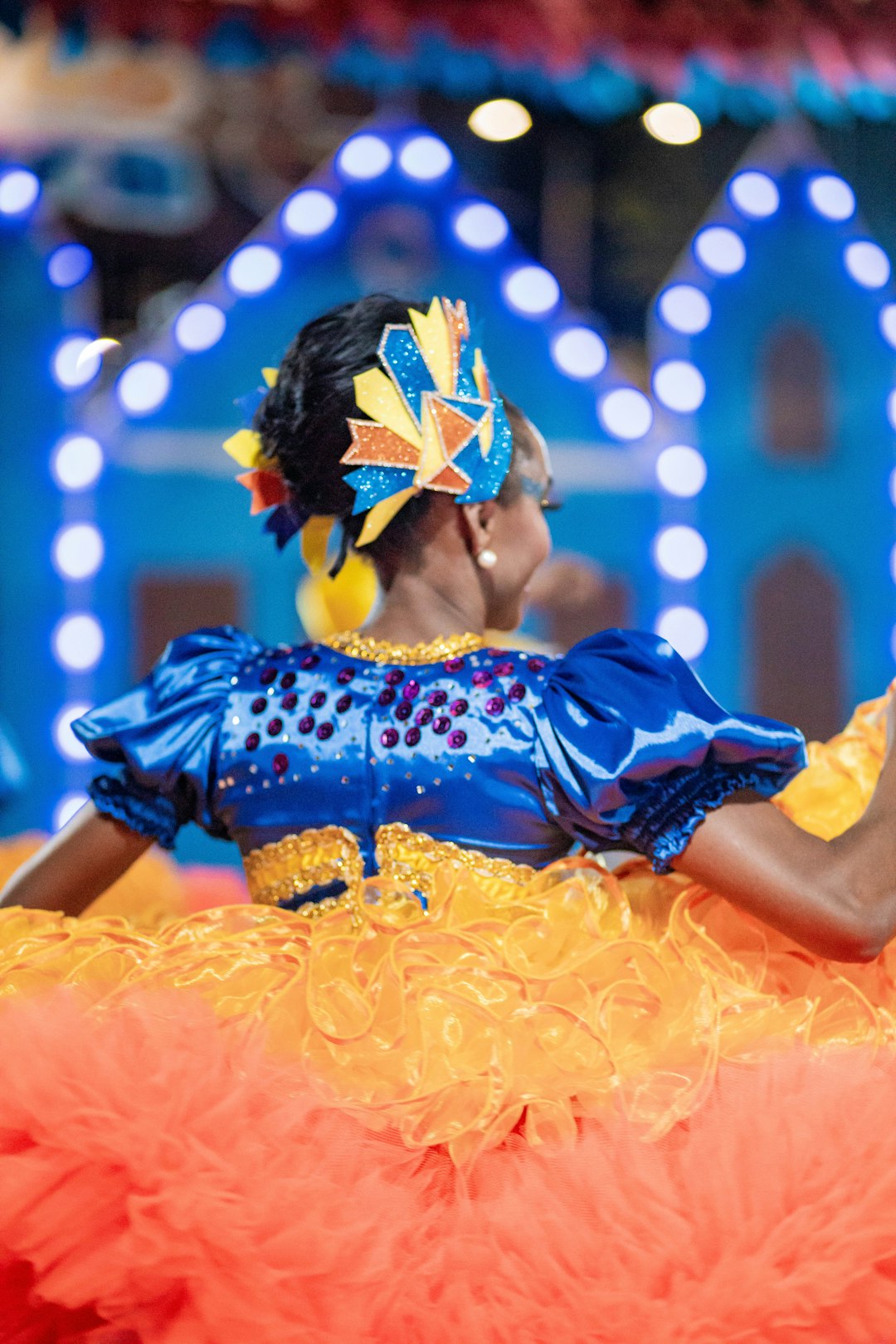
The Art of Dance takes a slightly different approach. Their beginner curriculum spends longer on posture and compás (rhythm structure) before letting you loose on choreography. They also bring in guest artists from Chicago a few times a year, which is worth the drive to Fox Lake by itself. Watching a professional bailaora up close changes how you understand the form. You realize the speed isn't the point. The stillness is.
The Part Nobody Talks About
Here's what the brochure won't tell you: Flamenco classes are loud, sweaty, and occasionally emotional. I've seen people cry during sevillanas practice—not from frustration, but from the strange release that happens when your body finally catches up to the grief or joy you've been carrying. The music demands honesty. You can't perform Flamenco while pretending to be fine. Your shoulders give you away every time.
The Fox Lake community reflects that. After class, people linger. Someone brings empanadas. You learn names. You learn that the retired pharmacist in the corner has been studying cante (singing) for six years and that the college kid is preparing for her first tablao performance in the city. You realize this isn't a fitness trend. It's a living culture that somehow landed in northern Illinois and kept its teeth.
Showing Up Is the Only Requirement
You don't need the right shoes to start. Wear hard-soled anything. You don't need rhythm—you'll develop it or you won't, and the class keeps moving either way. You don't even need to know why you're drawn to it. Most of us don't.
What you need is the willingness to look ridiculous for about six weeks, to strike a pose that feels absurd in suburban Illinois, to let your heels say what your mouth can't. Flamenco doesn't care about your resume. It cares about whether you commit to the next eight counts.
The beginners' cycle starts fresh in September and January. Show up early. Introduce yourself to whoever looks most terrified—that's your people now. And when the guitar starts and Maria Elena calls out the first step, hit the floor like you mean it. The noise you make belongs there.