---
That Weird Moment When "Inhale" and "Inhala" Mean the Same Thing
It happened three sessions in. I was halfway through a sun salutation, breathing deep, moving through the flow, when the instructor dropped a quiet "inhala" between the English cues. Just like that. And somehow it clicked — not just the word, but what it meant to move with your whole brain engaged instead of just your muscles.
That's when I realized this place isn't really about fitness. It's about showing up differently.
The studio opened quietly a few months ago in Summit, tucked into a space that used to house something else entirely. No grand announcement, no splashy billboard. Just word spreading through neighborhood groups and the kind of curiosity that makes you walk in instead of scrolling past. It's the brainchild of a longtime local who's been teaching fitness in the area for years, now partnered with a gym operation that actually gets what community programming looks like.
What Bilingual Actually Means Here
I want to be specific, because "bilingual studio" can mean a lot of things. Here, it means the instructor switches languages fluidly during class — sometimes mid-sentence. A yoga pose gets its English name and its Spanish equivalent in the same breath. A Zumba combo gets cued in both languages, sometimes with a playful rhyme that only works in one. It's not translation theater. It's actual integration.
The instructors aren't just fluent — they teach through both languages. Which means if you show up knowing some Spanish, you're not the odd one out. You're actually ahead in a way you didn't expect. And if you know zero? That's fine too. The body learns the movement first. The language follows.
The Classes: Where the Real Work Happens
Zumba here is a whole different beast. The music pulls from cumbia, reggaeton, merengue, bachata — rhythms that have been built for dancing, not just exercising. You stop thinking about "getting a workout" somewhere around song three because you're too busy actually having fun. The choreography is simple enough to pick up quickly but layered enough that you notice yourself improving week after week.
Yoga is where the bilingual piece gets really interesting. Spanish has this musicality that lends itself surprisingly well to breath cues. "Suelta los hombros" lands differently than "release your shoulders." Same instruction, different texture. Some regulars say they feel calmer in the Spanish-language sessions — whether that's the language itself or the slower pace those classes tend to run, nobody's entirely sure. But the effect is real.
There's also a mixed class on Saturday mornings that blends dance cardio with yoga flow. It's chaotic in the best way — equal parts sweat and stretch, nobody quite sure what's coming next.
Why Your Brain Gets Smarter When Your Body Does
Here's the part that stuck with me after I stopped being surprised by everything.
Neuroscience has been clear for a while now: moving your body while engaging your mind creates what researchers call a "dual-load" effect. Both systems are working, both are building new pathways. Dance already does a lot of this — you're memorizing sequences, reading rhythm, coordinating limbs. Adding language on top of that isn't just multitasking. It's stacking benefits.
Memory improves. Reaction time improves. Even mood regulation gets a boost. One study I keep coming back to followed bilingual dancers over six months and found measurable improvements in working memory compared to monolingual exercisers doing comparable routines. The movement teaches the brain to make new connections faster.
The fitness piece is obvious. But the cognitive piece is the real sleeper benefit. You're not just leaving class having burned calories. You're leaving with a slightly sharper version of yourself.
The Space Itself
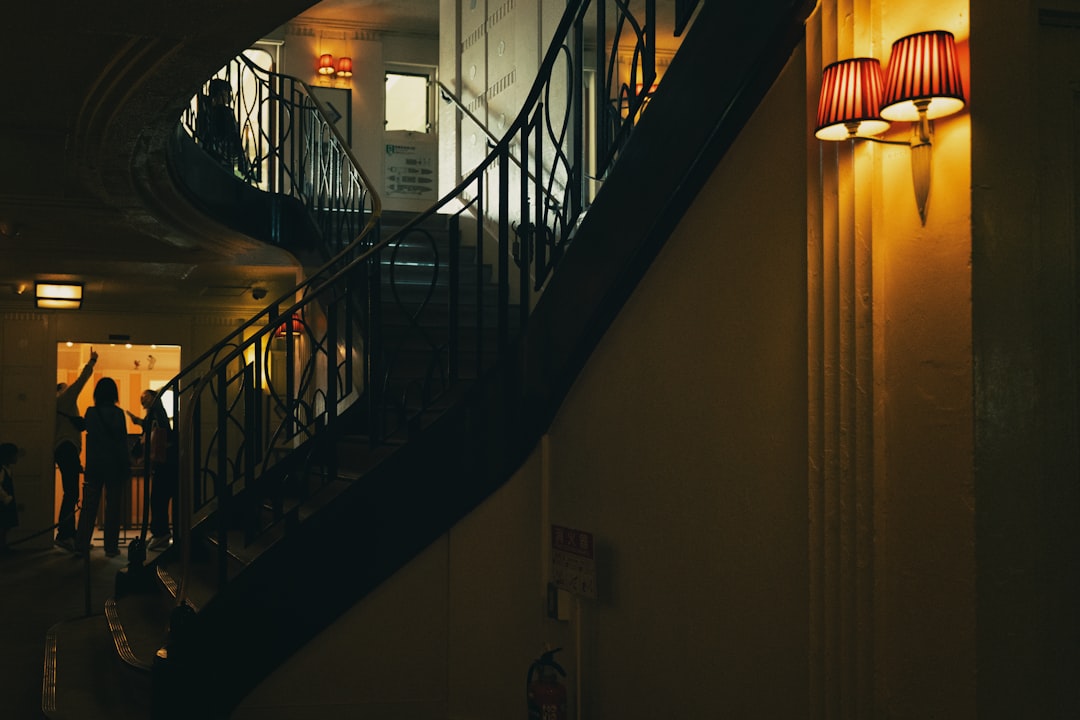
It's nothing fancy. That's worth saying upfront, because the first time I walked in I was expecting something out of a lifestyle magazine and what I found was a simple, clean studio with good light and friendly people.
The floors are sprung just enough to feel forgiving on the joints. The sound system is surprisingly good — important when you're dealing with bass-heavy Latin music at 7 a.m. There's a changing area and a small lobby where people linger afterward, sometimes in Spanish, sometimes in English, sometimes in the comfortable code-switching that happens when a room has both.
The staff remembers your name. That sounds basic, but it's not universal. Here it feels intentional.
Who This Is For
You don't need to speak Spanish. You don't need to be fit. You don't need any dance or yoga experience at all.
What you need is willingness to feel a little awkward while you're learning — because you will. You'll stumble through combinations, mix up your left and your right when the cue comes in Spanish, maybe laugh at yourself a few times. That's not a bug. That's the whole point.
This studio works best for people who want fitness that engages more than just their body. People who get bored in conventional gyms. People who find that moving with music hits different when there's a cultural layer underneath it. People who want to walk into a room and feel a little less like a customer and a little more like a neighbor.
My Honest Take, Three Months In
I'm still showing up. That matters.
I've tried a lot of fitness things — gyms, boutique studios, YouTube routines at 5 a.m. — and most of them burn hot for a month and then I drift away. This one stuck. I can't point to exactly why. Maybe it's the language piece forcing me to stay present in a way that pure exercise doesn't. Maybe it's the instructors who seem genuinely invested in whether you're having a good time. Maybe it's the simple fact that dancing badly in Spanish feels less embarrassing than dancing badly in English.
Whatever it is, I leave class different than I walked in. More awake. A little more bilingual, even on the weeks I don't try. And with a better playlist than anything I could put together myself.
If you're in Summit and curious, the intro offer is worth it. Go once without expectations. See what shows up in your body and your brain when they both have something new to figure out.
That's the real hook here — the one nobody puts on the flyer.