I always thought I had decent rhythm. I grew up playing percussion in middle school band, I can tap my foot to most songs without embarrassingly missing the beat. So when I finally dragged myself to a beginner belly dance class last spring, I figured I'd pick it up pretty quickly.
I was humb
led in about fifteen minutes.
The instructor, a Lebanese woman named Rania with the most effortlessly fluid arms I'd ever seen, demonstrat
ed a hip circle. Simple, right? Just move your hips in a circle. How hard could it be?
Very hard, as it turned out. My hips didn't circle — they wiggled. Uncontrollably. Like they were trying to escape my body and go start their own dance class. Meanwhile, my shoulders had decided to do their own thing, and my feet somehow ended up tangled. The woman next to me — probably mid-sixties, moved like she'd been doing this for decades — caught my eye and laughed. "First
class?" she asked. I nodded, dying inside.
"That's everyone," she said. "Your body has to learn a new language."
---
That phrase stuck with me. A new language. Belly dance — or raqs sharqi, as it's traditionally called — isn't really about learning steps. It's about teaching your body to speak in a whole new dialect. The isolations, the shimmies, the way a single movement can flow from your ribs down through your hips to your fingertips
. It feels unnatural at first because most of us spend our whole lives moving everything at once.
The first few weeks are humbling. You'll probably feel coordination-deficient. You'll definitely sweat more than you expected from what looks like "just dancing." You'll stand in front of your mirror at home, attempting what the instructor made look so easy, and wonder if your hips are simply broken.
They aren't. They're just quiet.
---
What nobody tells you about the music
Belly dance rhythms are unlike anything in Western pop. You have your 4/4 rhythms that march along predictably, but then there's the 2/4 that's jaunty and off-kilter in the best way, and the 6/8 that feels like floating.
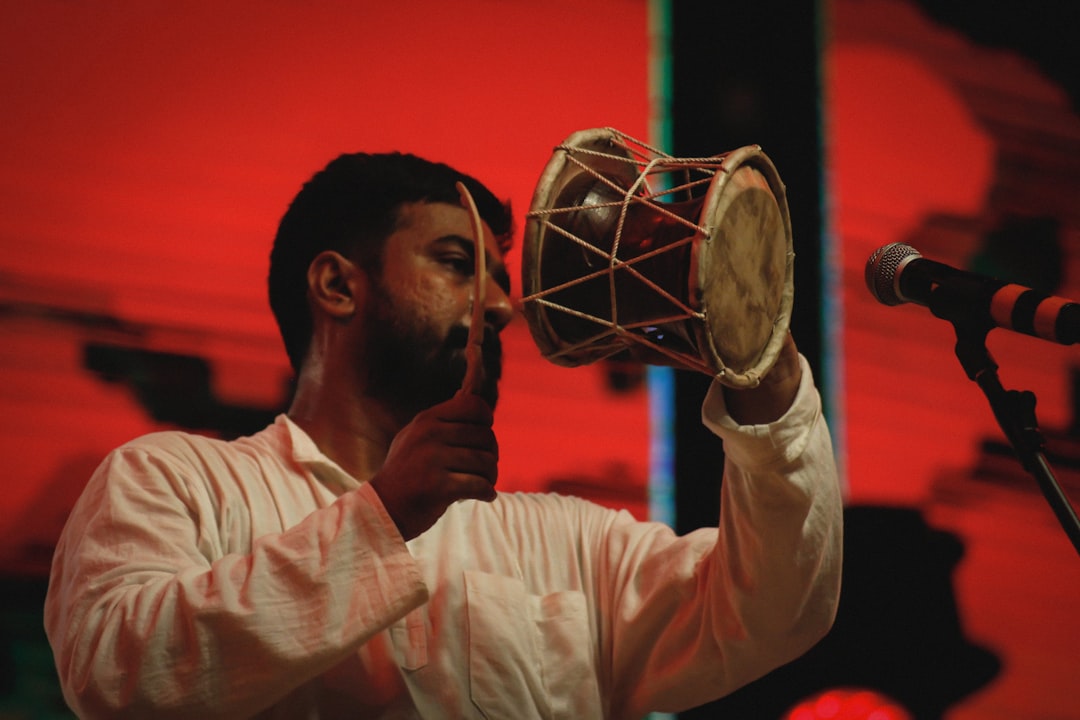
The doumbek, those little finger cymbals called sagat — they all pull you in different directions. The trick is listening without trying to catch everything at once. Just let the rhythm exist and find where your body wants to move within it. Some days that might be barely swaying. Other days your shimmy finally appears and you want to cry.
---
The secret no one mentions
The real belly dance isn't the cool hip drops or arm waves. It's the moment when you're drilling hip circles in your kitchen, waiting for water to boil, and you realize your body is making a figure-eight without you telling it to.
That's when you know it's taking root.
---
The first class is weird. The second is weird. The third, fourth, fifth — still weird, honestly. But somewhere around week six, something clicks. Your hips actually circle. A shimmy happens. And you suddenly understand why people who've been doing this for twenty years still light up when they talk about it.
It's not about perfect technique. It's about discovering a conversation your body never knew it wanted to have.