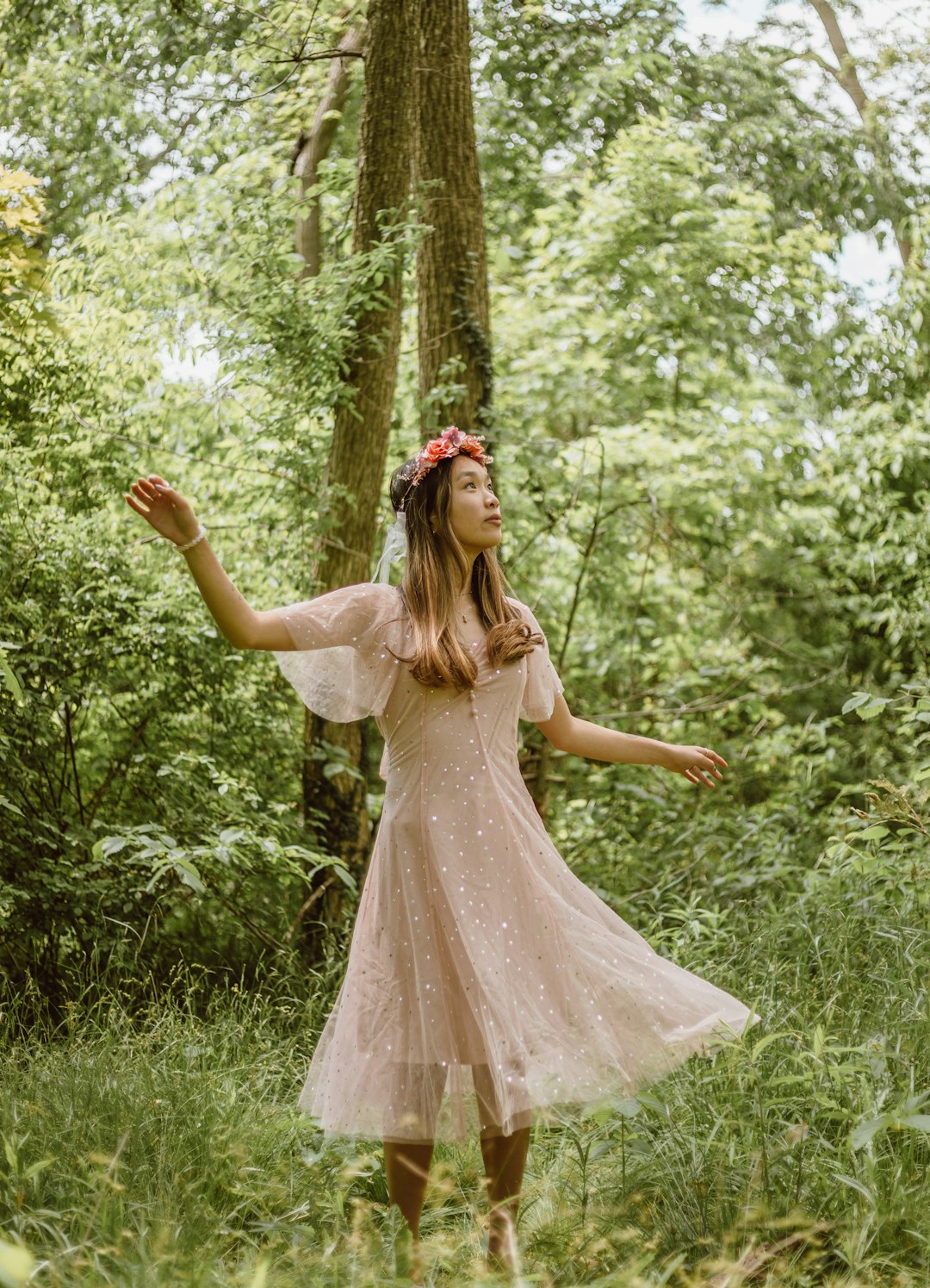
The Playlist That Rewired How I Think About Movement
I'll be honest — I used to pick music for contemporary dance the way most people pick paint colors at Home Depot. Standing in front of a wall of options, overwhelmed, just grabbing whatever felt vaguely right. Then I spent a summer assisting a choreographer in Brooklyn who'd spend weeks on her music choices, and it completely changed how I approach the relationship between sound and movement.
Here are seven tracks that genuinely shifted something in my choreography practice. Not all of them are obvious picks. Some of them surprised me.
"Awakenings" — Ólafur Arnalds
There's a moment around the two-minute mark where the piano notes start to thin out, and the electronics creep in underneath like fog rolling across a stage floor. I once watched a dancer use that exact transition to melt from a standing position into a controlled floor phrase, and the entire audience stopped breathing.
Arnalds composes like he's writing letters he'll never send. That vulnerability is baked into every note. If you're building a piece about shedding an old version of yourself, this track does half the emotional labor before you even choreograph a single count.
"Unstoppable" — Sia
Look, I know this one shows up on every contemporary dance playlist. There's a reason for that, and it's not because choreographers lack imagination.
Sia's voice has this raw, almost shredded quality that mirrors what your body feels like at the edge of exhaustion. I've seen this track used in competition pieces where the dancer is visibly spent by the final chorus, and that physical reality becomes the art. You can't fake that kind of authenticity. The song demands everything, and audiences can tell when a dancer delivers.
"Clair de Lune" — Debussy
My dance teacher in high school used to say that Debussy wrote music that "thinks." I didn't understand what she meant until I tried setting an adagio to this piece and realized every phrase needed to breathe differently than I'd planned.
This isn't background music. It's a conversation partner. The rubato in a good recording will fight your counts, and that tension — between musical freedom and choreographic precision — is where the magic hides. Don't choreograph to Debussy. Choreograph with him.
"Electric Feel" — MGMT
Okay, this is my wildcard pick, and I'll defend it.
I was in a contemporary class where the teacher played this during improv, and something shifted in the room. People started grinning. Shoulders dropped. Movement got weird and playful and honest in a way that serious contemporary tracks sometimes suppress. There's this assumption that contemporary dance needs to be heavy or profound, but joy is a legitimate artistic choice.
Use this one when you want your dancers to remember why they started moving in the first place.
"Hallelujah" — Jeff Buckley
Buckley recorded this in one take. One. And you can feel the fragility of that — like the whole thing could collapse at any moment, which is exactly what makes it so devastating.
I choreographed a duet to this once, and the hardest part wasn't the lifts or the timing. It was convincing my partner to actually be still during the quiet sections. Contemporary dancers want to fill every silence with movement, but Buckley's version needs those empty spaces. The stillness between the notes is where the grief lives.
"In the Hall of the Mountain King" — Grieg
This piece accelerates relentlessly, and it will expose every weakness in your timing. That's what makes it terrifying and thrilling to choreograph.
A company I worked with used this for a narrative piece about anxiety — the accelerating tempo becoming a physical metaphor for spiraling thoughts. The dancers started with controlled, deliberate phrases and gradually lost composure as the music sped up. By the end, the movement was barely contained chaos. I've never seen an audience lean forward in their seats quite like that.
"Latch" — Disclosure ft. Sam Smith
Sam Smith's vocal on this track sits right in that sweet spot between controlled technique and raw emotion. The production gives you a steady rhythmic foundation, but the melody keeps pulling you off-balance.
I think this track works best when you stop trying to hit every beat and instead let the groove inform your weight shifts and breath patterns. Some of the best contemporary choreography I've seen set to this barely acknowledges the beat directly — it's all about the feel of the rhythm rather than the count of it.
---
The real lesson I learned from that Brooklyn choreographer wasn't about which tracks to pick. It was about listening to a piece of music fifty times before setting a single step, and letting the music tell you what it wants to become. Your playlist is your creative partner — treat it like one.