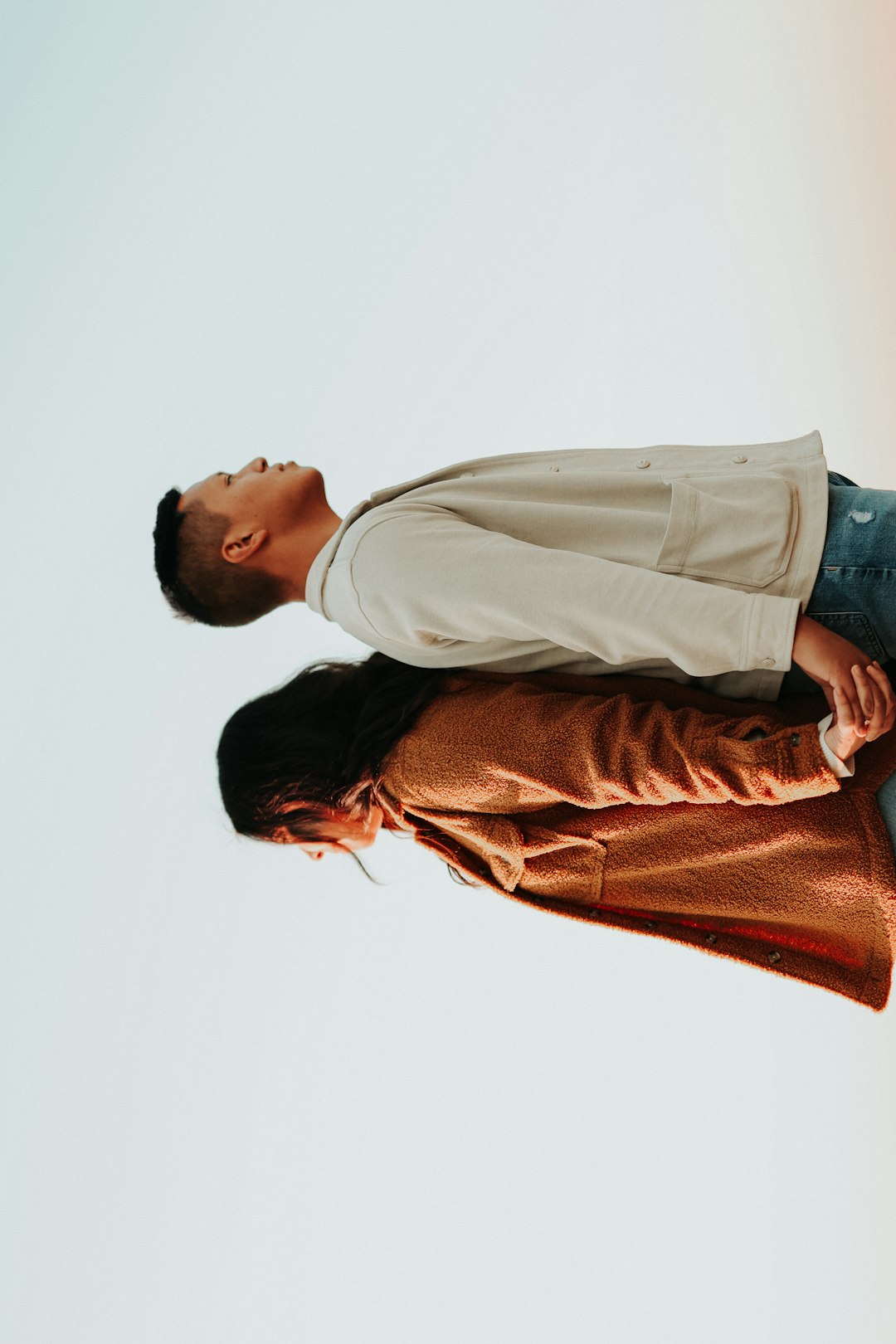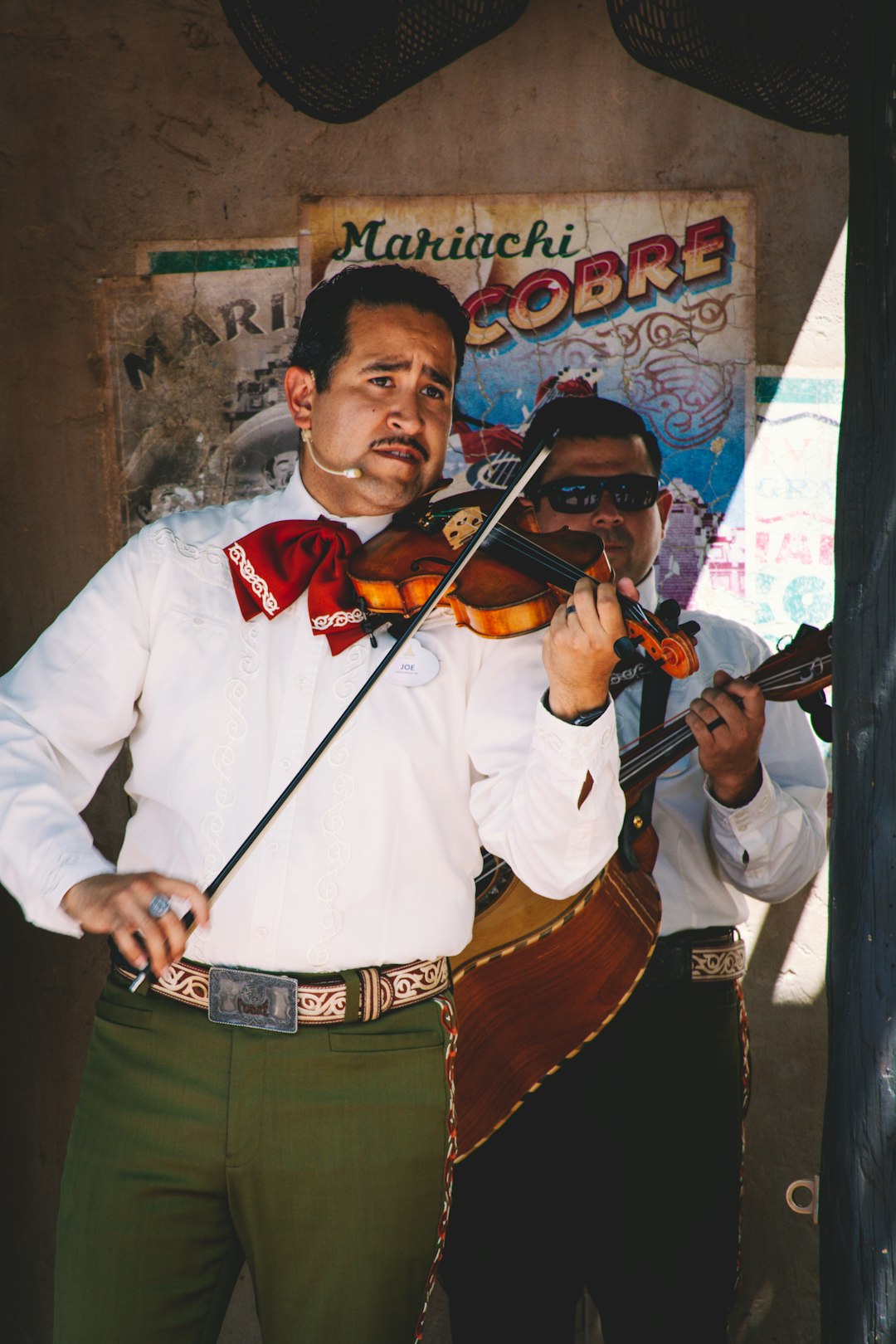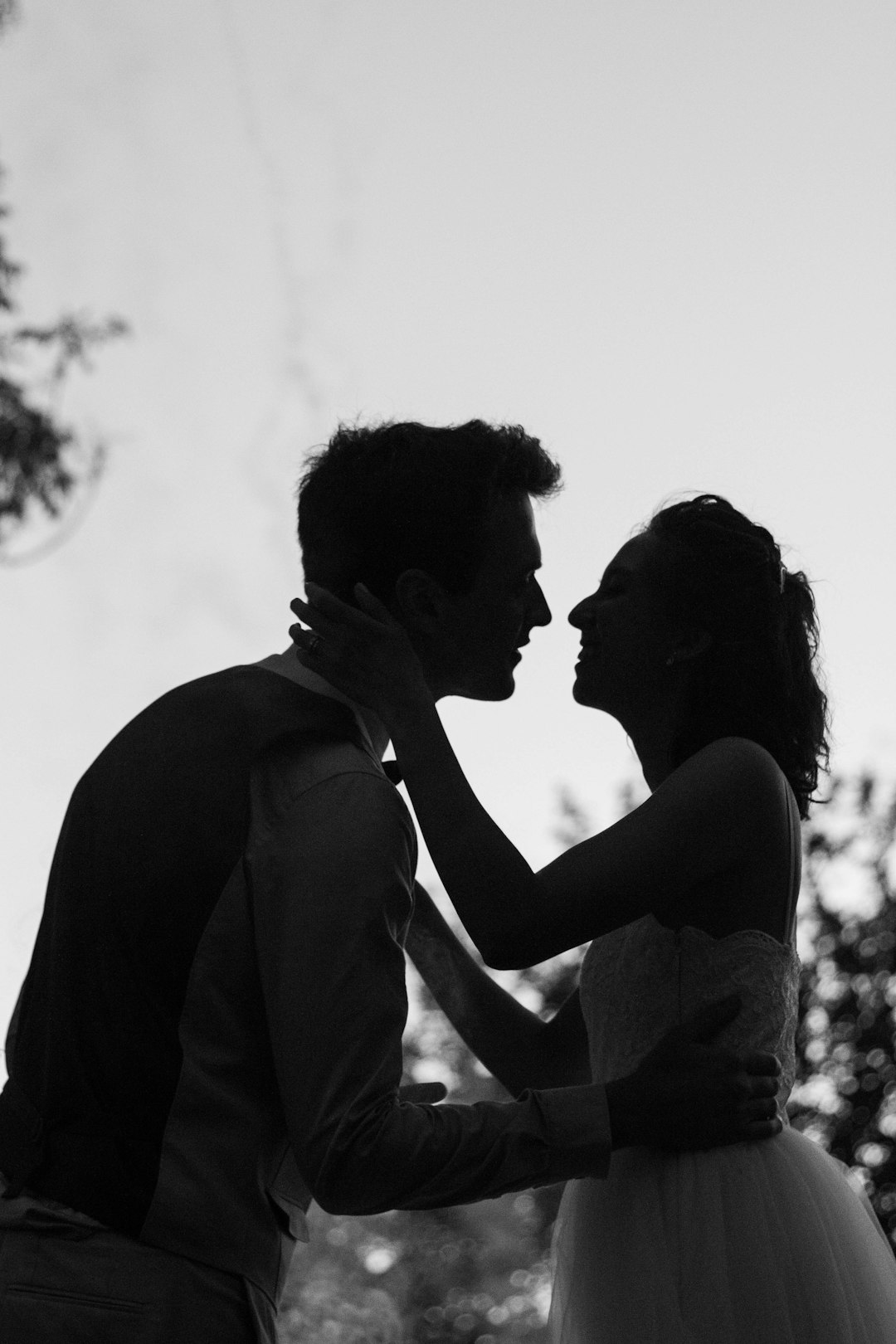
There's a moment in a square dance when the caller's voice drops out and you're left spinning, breathless, trusting the person across from you not to let go. That's the moment I got hooked. Not the polished recitals or the perfect turnout—just the raw, slightly terrifying joy of moving with strangers who feel like friends by the end of the night.
Osawatomie isn't exactly a dance capital. It's a quiet Kansas town where the Marais des Cygnes River cuts through oak trees older than your grandparents. But that sleepy exterior hides something surprising: a stubborn, joyful commitment to keeping folk dance alive. Not in glossy studios with floor-to-ceiling mirrors, either. I'm talking church basements with squeaky floors, community centers that smell like coffee and floor wax, and outdoor pavilions where fireflies compete with the string lights.
The Academy That Doesn't Feel Like School
I walked into my first class expecting rigid choreography and judgmental side-eye. What I found was a sixty-year-old retired mechanic teaching polka steps with the patience of someone who genuinely believes everyone can dance. The Osawatomie Folk Dance Academy leans hard into that unpretentious energy. Sure, they've got the traditional American square dancing covered, but Thursday nights? That's when the international stuff happens. Greek syrtos, Israeli hora, Hungarian csárdás—names I couldn't pronounce at first, dances that left me tripping over my own feet.
The building itself is nothing special. Fluorescent lights, folding chairs, a sound system that crackles when the bass kicks. But the instructor keeps a scrapbook thicker than a phone book, filled with photos from thirty years of dance socials. Weddings, festivals, random Tuesday nights. People laughing, holding hands, mid-spin with hair flying everywhere. That's the real curriculum here. You don't just learn steps; you inherit a history of people choosing joy over self-consciousness.
Where Culture Actually Lives
Heritage Dance Studio sits in a converted Victorian house that creaks when you plié too hard. The first time I visited, I got there early and watched a group of teenagers practicing a Ukrainian hopak. The floor shook. The windows rattled. Nobody cared.
What grabbed me was the context they weave into every session. Before you learn the dance, you learn the why. A Serbian kolo isn't just a circle of shuffling steps—it's a dance of resistance and community forged through centuries of upheaval. The instructors here refuse to let folk dance become empty aerobics. They bring in elders from local cultural societies. They cook food. I've left class with my feet aching and my hands smelling like homemade pierogi.
The age range is wild. You'll partner with an eight-year-old who learned the steps from their grandmother, then turn around and lock arms with someone eighty who remembers when this music played on vinyl. No one treats you like a tourist. You're just another body in the chain, keeping the tradition breathing.
The River Changes Everything
Classes near the water hit different. Riverfront Dance Conservatory takes advantage of its location in ways that feel almost unfair to indoor studios. Summer evenings, they throw open the back doors. The humidity wraps around you, river smells drift in, and suddenly you're dancing outside whether you planned to or not.
Their focus skews performative, which initially turned me off. I'm not trying to be on stage; I'm trying to survive a wedding without embarrassing myself. But the performance training translates. You learn to own your space, to project confidence even when you're internally counting "one-two-three" like a mantra. The conservatory brings in guest teachers—actual working folk dancers who tour internationally—and their energy is infectious. They don't stand at the front demonstrating like robots. They dance with you, full-out, sweat dripping, shouting encouragement over the fiddle music.
I watched a guy in his fifties, someone's dad who got dragged there by his daughter, nail a Bulgarian pravo horo after six weeks of looking like a confused traffic cop. The room erupted. That's the thing about this place—the applause isn't for perfection. It's for showing up until it clicks.
The Real Heartbeat
If you want to understand why folk dance matters in Osawatomie, skip the formal classes and find a community dance social. The Community Folk Dance Center runs these chaotic, beautiful gatherings where the skill levels range from "professional instructor" to "literally walked in off the street five minutes ago." Nobody gets turned away.
The format is simple and brilliant. A beginner lesson at seven. Dancing starts at eight. Live music when they're lucky, a laptop and decent speakers when they're not. Someone always brings cookies. Someone else brings their grandfather, who sits in the corner tapping his foot and correcting the caller under his breath.
I brought a friend who swore she had two left feet. By nine o'clock she was grinning so hard her face hurt, dancing a contra line with a librarian, a high school quarterback, and a retired opera singer. The inclusivity isn't performative. It's structural. The dances require groups, circles, lines. You can't sit out forever because eventually the formation comes to you, hands reach out, and etiquette demands you join.
When Ballet Meets the Barn Dance
The strangest discovery was a small ensemble that marries classical ballet training with folk movement. I expected pretension. I got something closer to alchemy. The Osawatomie Ballet & Folk Ensemble takes dancers with traditional technique and teaches them to loosen up, to feel the ground instead of defying it. Conversely, folk dancers learn turnout, extension, the discipline of rehearsal.
Their performances are unlike anything else in town. Imagine a Scottish strathspey executed with balletic precision, then breaking into a wild, stomping reel that sends wood chips flying from the stage floor. The ensemble tours local schools and nursing homes, performing in cafeterias and common rooms. No proscenium arch, no velvet curtains. Just dance where people actually live.
Why I Keep Going Back
Here's what nobody tells you about starting dance as an adult: you'll feel ridiculous. For weeks. Maybe months. Your brain knows the step but your feet file for divorce from your body. You'll apologize constantly. You'll count out loud when everyone else has internalized the rhythm. You'll wear the wrong shoes.
And then, eventually, you won't.
Osawatomie didn't turn me into a professional. I'm still the person who occasionally spins the wrong direction and takes out a neighbor. But I found something better than technical mastery. I found a room full of people who cheer when you finally nail a balance, who remember your name, who text you if you miss two weeks in a row because they're genuinely worried.
Folk dance isn't about preserving museum pieces. It's about keeping alive the radical, ancient idea that moving together in rhythm makes us harder to break. The city of Osawatomie gets that. Not in a grand, proclamation-on-letterhead way. In the squeak of shoes on hardwood, the clatter of folding chairs being set up, the sound of a fiddle tuning while the sun sets over the river.
Come find a partner. The music's already started.