The Night Everything Clicked
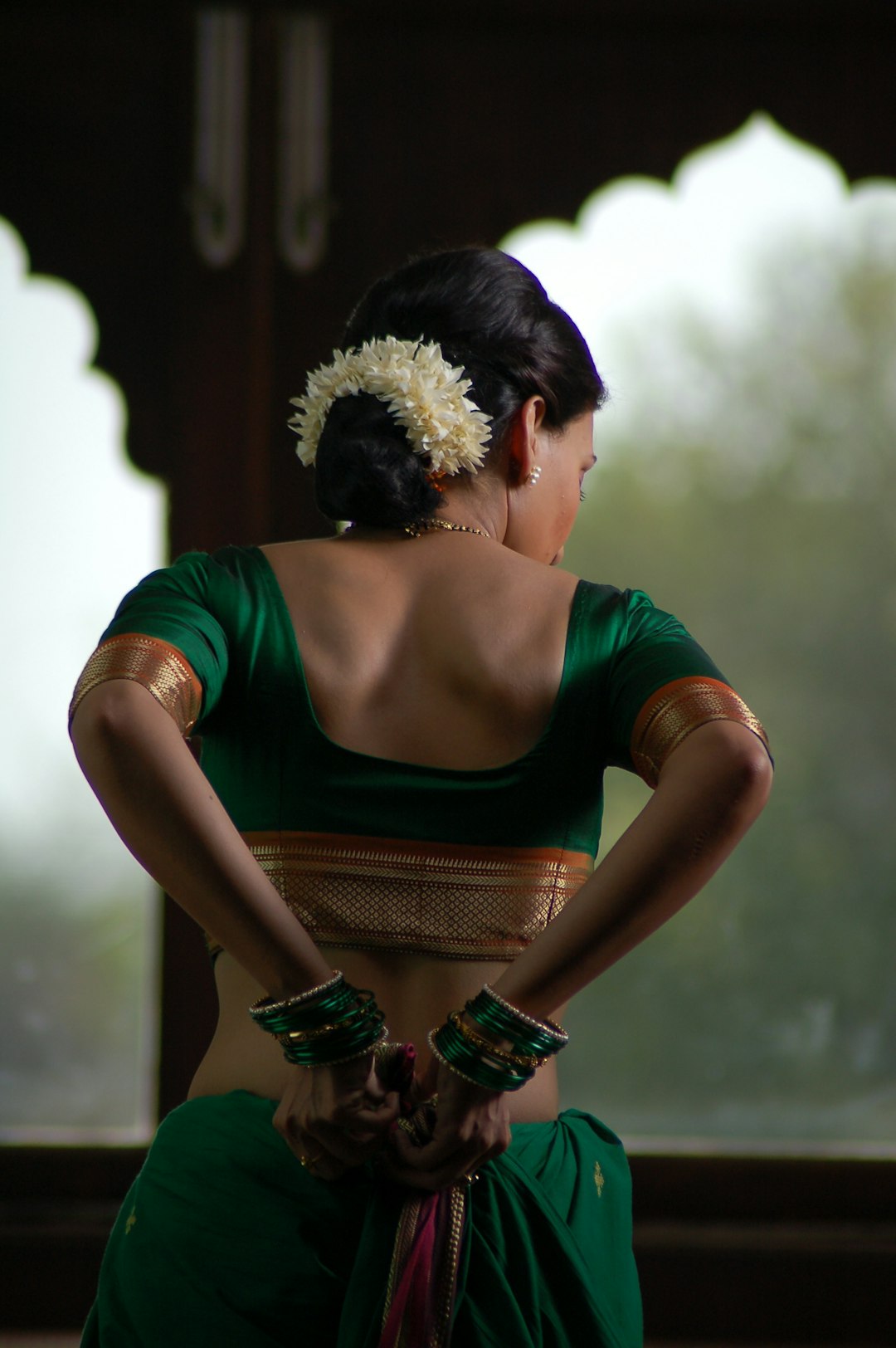
The saxophonist took a breath. The dancer on stage didn't move. For three full seconds, the room held its breath with her. Then the horn blared—a raw, honking squeal that sounded nothing like the smooth jazz you'd hear in an elevator—and her body snapped backward like she'd been shocked. She hit the floor, not with a ballerina's grace, but with the controlled chaos of someone who'd studied both Martha Graham and Bob Fosse and decided to burn the rulebook.
That was my introduction to what's happening in dance right now. And honestly? I haven't recovered.
Where the Old Guard Meets the New Rebellion
Jazz dance has always been the loud, charismatic cousin at the family reunion. Born from African and Caribbean rhythms, raised in smoky Harlem clubs, it's never been about sitting still. But here's what's wild: contemporary choreographers aren't just borrowing jazz steps anymore. They're dismantling them.
Take what happened in Brooklyn last month. A choreographer named Maya Torres staged a piece where her dancers performed traditional Charleston footwork while their torsos rippled with contraction-and-release technique straight out of Graham's playbook. The result looked wrong in the best way—like watching someone speak two languages simultaneously, fluently. Your brain keeps trying to categorize it, and it refuses to be categorized.
Musicians Who've Stopped Playing it Safe
The real magic happens when composers get involved. I've seen pianists who watch the dancers' shoulder blades and time their improvisations to the snap of a spine. Drummers trading fours with tap sequences that aren't quite tap anymore—more like abstract percussion using the entire stage floor.
There's this group in Chicago, The Midnight Collaboration, that performs in a converted warehouse. No set list. No choreographed score. The band starts. The dancers respond. The band answers back. Each night is completely different, and the audience knows it. You're not watching a finished product; you're witnessing a conversation that might turn into an argument or a love letter, depending on the humidity in the room.
Why Young Audiences Are Actually Showing Up
Let's be real. Jazz hasn't always been cool to people under thirty. But fusion performances are packing venues in a way traditional recitals don't. Last week I brought a friend who's obsessed with TikTok choreography to a show at The Blue Note. She walked in skeptical. Twenty minutes in, she was leaning forward, actually leaning forward, because she couldn't predict what came next.
That's the hook. Modern audiences have seen everything. Viral dance challenges have made us numb to spectacle. But watching a trained body negotiate between the strict syncopation of jazz and the weighted, earthbound quality of contemporary work? That's unfamiliar territory. Your eyes can't look away because your brain is still trying to catch up.
The Tech Factor Nobody Asked For (But Everyone's Using)
Some purists hate this part. I find it fascinating. Projection mapping is turning dancers into living canvases—imagine a soloist performing jetés while geometric patterns track her trajectory across the back wall, responding to tempo shifts in real time. One company in Berlin uses motion sensors embedded in the floor to trigger synthesizer patches. When the dancer lands from a leap, the room doesn't just hear the thud; it hears a chord that didn't exist a millisecond before.
Is it gimmicky? Sometimes. But when it works, technology doesn't overshadow the humanity. It amplifies the risk. Every choice becomes irreversible because the machines are listening and reacting too.
What Happens Next Won't Fit in a Theater
Here's what keeps me up at night: the best fusion work I've seen recently didn't happen on a stage at all. A dancer and bassist performed on a fire escape in New Orleans last Mardi Gras. No tickets. No program. Just a crowd that gathered because someone on the street heard a walking bass line and looked up to see a body spiraling against brick.
That's where this movement lives. In the unpredictable spaces. In the moments where a saxophonist breathes in, a dancer doesn't move, and everyone in the room realizes they're about to see something that can't be repeated.
The boundaries aren't just being pushed. They're being ignored completely. And for once, ignoring the rules feels less like rebellion and more like remembering why we started dancing in the first place.