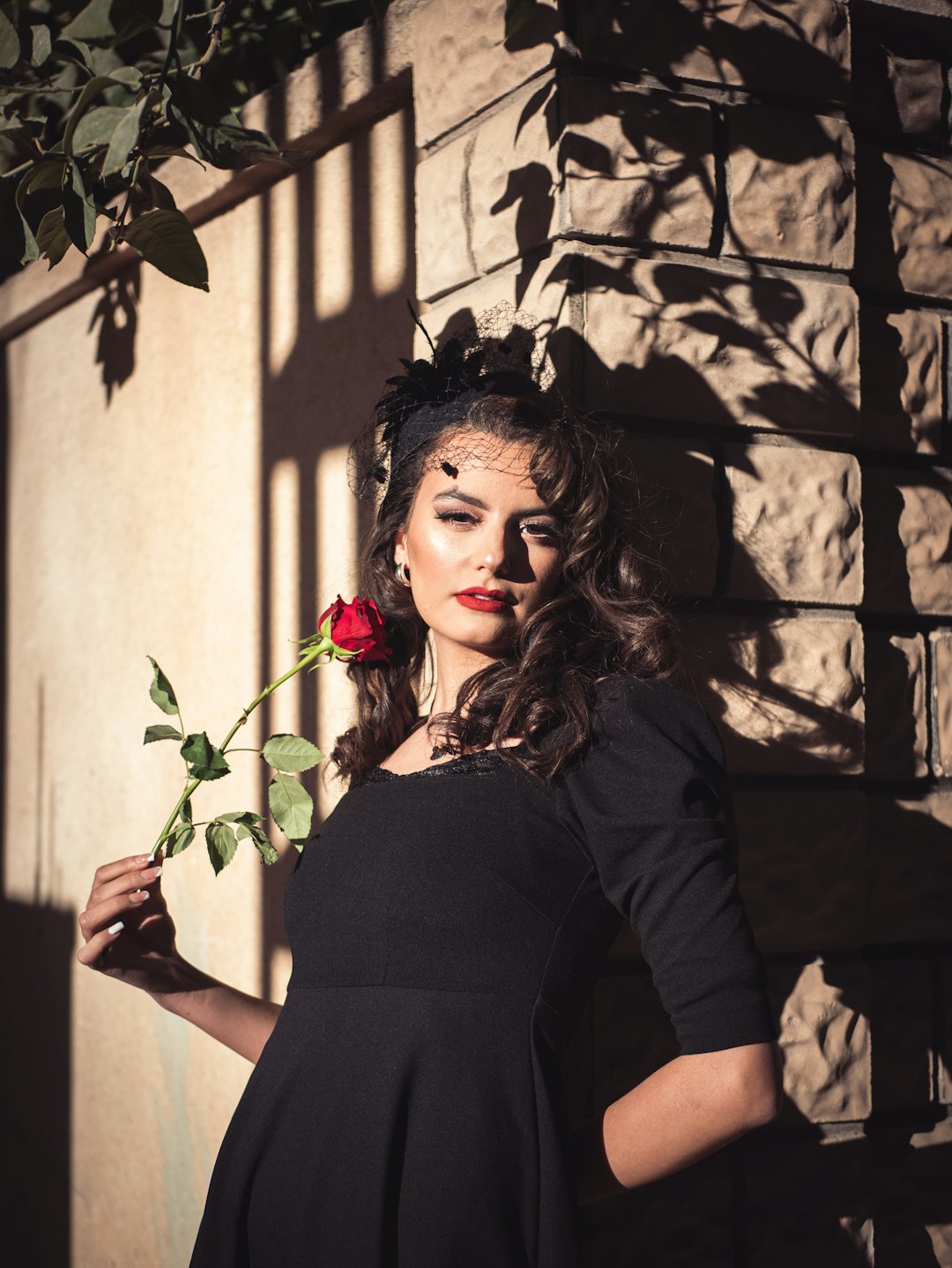
The mirrors in Sara Obed's upstairs studio on South Main Street reflect sixteen women in coin belts, hip scarves, and gym shorts. Some arrived straight from office jobs. Others carpooled from neighboring towns. At least three are trying belly dance for the first time tonight. By the end of the ninety-minute class, most will have sweated through a forty-step chiftetelli and laughed while attempting a synchronized mayo—a hip circle that looks effortless until you try it.
Obed, who opened Raks Rhythm in White River Junction in 2019, has watched her beginner waitlists grow from four names to twenty. Three miles north, The Shimmy Shack—founded by Amara Tessitore in 2017—now runs fourteen classes a week, up from five. Neither owner claims to have predicted the demand. Both say the same thing keeps students returning: this is not a fitness trend. It's a community that happens to involve torso isolations.
From Empty Rooms to Waitlists
Tessitore opened The Shimmy Shack with one class on Monday evenings and a hunch that Upper Valley residents wanted movement without competition. "I thought maybe I'd get five people," she said. "By month three, I was teaching in a space too small for the chairs." She moved to her current location—a renovated mill floor with exposed brick—within a year.
Obed's trajectory was compressed by the pandemic. She launched Raks Rhythm with in-person classes, pivoted to Zoom for eighteen months, and returned to find her mailing list had tripled. "People were isolated in their bodies," she said. "Belly dance lets you reclaim them in a room full of witnesses who are only cheering."
The "surge" is difficult to quantify—no regional dance census exists—but the evidence is concrete. The Upper Valley Hafla, a quarterly belly dance showcase that drew thirty attendees in 2018, now sells out a 120-seat theater in Hartford three times a year. Obed and Tessitore each employ two additional instructors. And when Obed posted her fall 2024 schedule in August, three classes filled within forty-eight hours.
What Happens at a Hafla
The word hafla derives from Arabic: simply, a party. In belly dance communities worldwide, it has come to mean an informal performance gathering—professionals and hobbyists sharing the same floor, often with live drumming and potluck tables.
At the Upper Valley Hafla on a Saturday in late September, the atmosphere sits somewhere between open mic and family reunion. A software engineer in her fifties performs a baladi improvisation. A mother and daughter dance a choreographed duet to a rearranged Beyoncé track. Between sets, audience members pass Tupperware of baba ganoush and discuss zill (finger cymbal) rhythms.
Tessitore, who emcees the event, enforces one rule: no apologies. "Nobody says 'I'm not that good' before they go on," she said. "We clap before you start. We clap harder if you look nervous."
Jamie Park, 34, of Lebanon, attended her first hafla after six months of classes at Raks Rhythm. She had not performed in front of an audience since a middle school choir concert. "I forgot the last thirty seconds of my choreography," Park said. "The drummer just kept going, and someone in the front row started doing the hip movements with me. I finished. I didn't die. That was the point."
Roots and Responsibility
Belly dance—more accurately described as raqs sharqi (Eastern dance) or Middle Eastern and North African (MENA) dance—encompasses distinct regional styles from Egypt, Lebanon, Turkey, North Africa, and beyond. The term "belly dance" itself was popularized by Western promoters in the 1890s and remains contested.
In White River Junction, neither Obed nor Tessitore is from a MENA background. Both stress that they approach the form as lifelong students rather than originators. Obed studies annually with Egyptian instructors in New York and Montreal. Tessitore requires her teaching staff to complete coursework in Arabic music theory and regional dance history before they lead their own classes.
"We're very clear with students: this is not 'ancient goddess worship,' and it's not something we invented," Obed said. "It's a living art form with specific lineages. Our job is to be good guests in it."
That framing matters to students like Delia Nkosi, 41, of Hartford, who left a cardio dance franchise after growing uncomfortable with what she described as "costume-party energy" around non-Western movement. She found Raks Rhythm through an online search for classes that addressed cultural context directly. "The first thing Sara said was, 'We're going