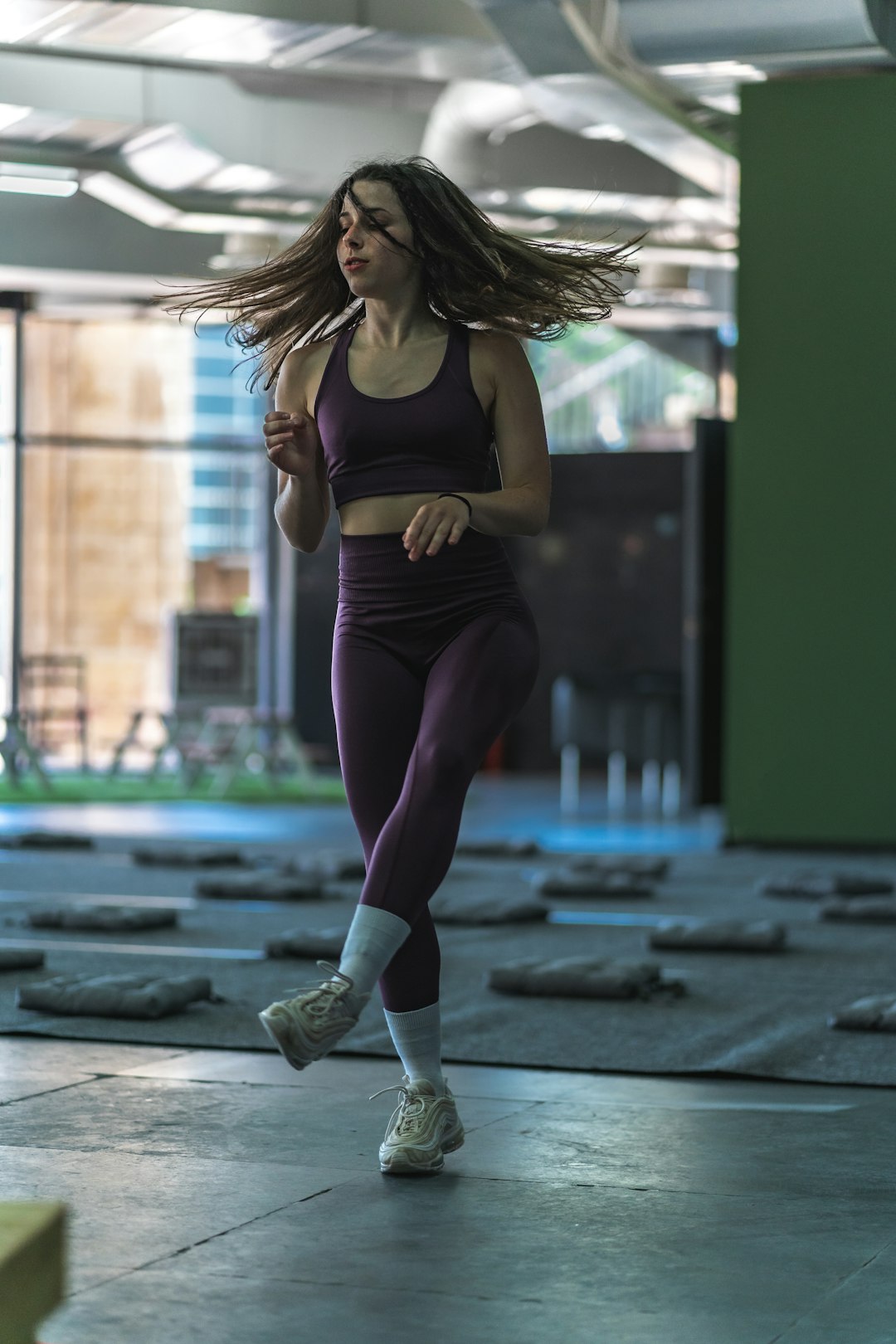
A dancer steps into a virtual underground club. The crowd is loud, the lights are low, and the pressure is real. She takes a breath—and starts to freestyle.
This isn't a performance. It's a Tuesday afternoon at Lighthouse Point's Dance Elite, where a small group of Krump dancers is training inside a VR environment designed to simulate exactly the kind of high-stakes battle that might once have taken years to encounter live. The scene captures something larger happening here in 2024: a Florida studio known primarily for commercial and concert dance is now investing serious resources into one of street culture's most physically and emotionally demanding forms.
Why Krump—and Why Now?
Krump emerged from South Los Angeles in the early 2000s, developed by African American youth including founders Tight Eyez and Big Mijo as an alternative to gang culture. Characterized by explosive, highly controlled movements, raw emotional release, and deeply rooted freestyle battles, Krump has always demanded more than technical proficiency. It requires vulnerability, stamina, and a direct line between personal experience and physical expression.
For years, formal Krump training outside major coastal cities was scarce. Lighthouse Point's Dance Elite launched its dedicated Krump programming in 2022, and this year it has expanded into a structured intensive that treats the form with the same rigor typically reserved for ballet or contemporary pre-professional tracks—with adaptations that respect Krump's street origins.
"This isn't about watering Krump down or putting it in a glass case," says lead instructor Marcus Chen, a former battle dancer who spent five years training in Los Angeles before relocating to South Florida. "It's about giving dancers the tools to go deeper, stay healthier, and build something authentic here."
Four Pillars of the 2024 Training Model
The studio's 2024 Krump Intensive is built around four interconnected training areas. Each combines established movement principles with approaches that are relatively new to formal Krump education.
Biomechanics for Battle Dancers
Every dancer in the intensive completes a six-week biomechanics module led by Dr. Aisha Okonkwo, a certified movement specialist with twelve years of experience in sports medicine and dance rehabilitation. Sessions focus on the specific load patterns generated by Krump's hallmark chest pops, arm swings, and footwork sequences—identifying where compensations typically develop and how to correct them before injury occurs.
"Krump looks chaotic, but the body is making precise choices at high speed," Okonkwo explains. "If those choices are misaligned, dancers pay for it. We're teaching them to read their own mechanics in real time."
Emotion Mapping
Krump has always been a dance of emotional transmission. The studio's weekly "Emotion Mapping" sessions ask dancers to identify a specific personal narrative—grief, triumph, frustration, defiance—and translate it into a 90-second freestyle performed for the group. A dancer might build a session around the experience of relocating to a new city, or a complicated family relationship, or a moment of public failure.
"It's not therapy," Chen clarifies. "It's craft. We're learning how to select, shape, and deliver emotion so the audience feels it in their body too."
Virtual Reality Performance Training
The VR component, developed in partnership with a Miami-based immersive tech studio, places dancers inside custom-built environments: a crowded street battle in Brooklyn, an intimate 200-seat theater, an underground club with unpredictable sightlines. The goal is controlled exposure to performance pressure—nervous crowd energy, spatial constraints, unexpected lighting—without the logistical cost of constant travel.
Early results have been notable. Chen reports that dancers who trained regularly in VR environments showed measurably faster recovery from mistakes during live battles, and more adaptive freestyle structures when spatial conditions changed unexpectedly.
Cross-Form Collaboration
The intensive requires dancers to complete two collaborative projects annually with artists from other disciplines—recent pairings have included a spoken-word poet, a West African drummer, and a contemporary videographer. The mandate is specific: each collaboration must produce a three-minute performance piece that remains rooted in Krump vocabulary while responding directly to the partner's form.
"Krump grew because people built together in rooms," Chen says. "We're trying to keep that spirit alive, but open the room wider."
Who This Is For
The 2024 Krump Intensive is designed for intermediate to advanced dancers with some prior street dance experience—not necessarily Krump specifically, but a baseline comfort with freestyle culture and physical risk. The program runs September through May, with an optional summer battle tour. Current enrollment sits at twenty-four dancers, capped at thirty to maintain the intensive's small-group format.
Beginners interested in Krump fundamentals are directed to the studio's introductory quarterly workshops, with the next cycle beginning January 2025.
Looking Ahead
Krump's global presence has grown substantially over the past decade, with major competitions in Europe, Asia, and