---
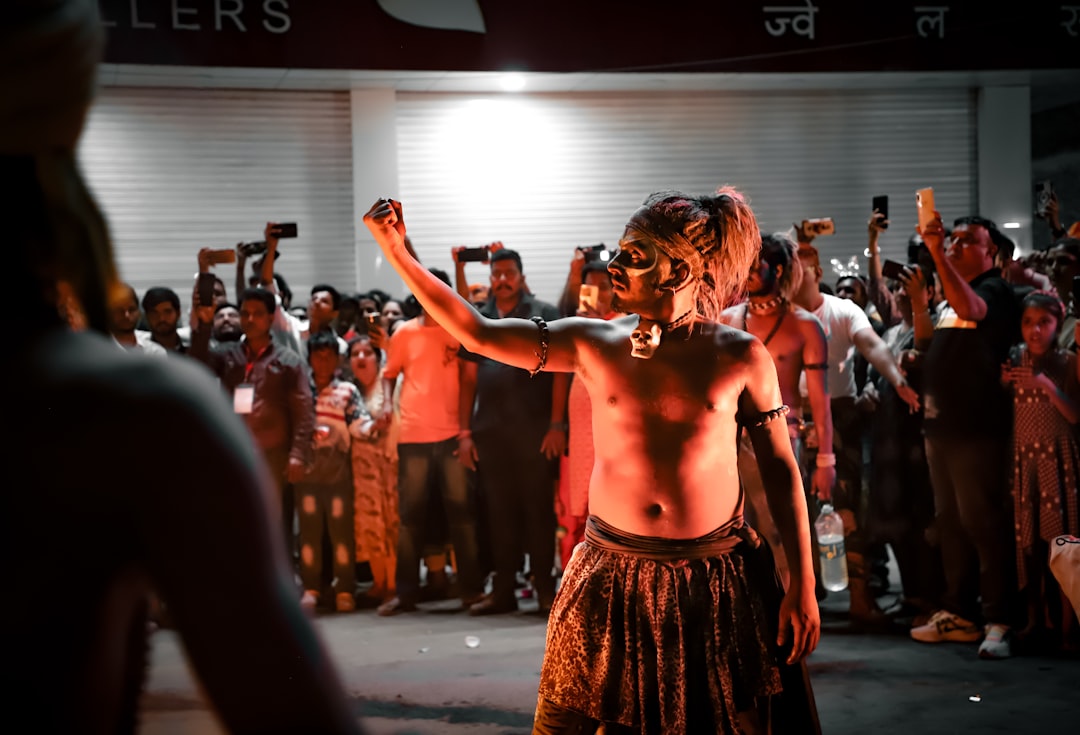
When you walk into a Krump class for the first time, the bass hits your chest before you even start moving. That's the thing about Krump — it doesn't wait for you to get ready. The music grabs you, and suddenly you'rechanneling everything you've got into a fist pump, a chest pop, a rotation that burns through your shoulders. It's intense. It's loud. And honestly? It's kind of addictive.
If you've been curious about this dance style but haven't known where to start in West Point City, here's the scene insider guide — where it came from, why it matters, and where to actually learn it.
Where It All Started
Krump — short for "Kingdom Radically Uplifted Mighty Praise" — showed up in South Central Los Angeles around 2002. This wasn't studios and mirrors. This was parking lots, cyphers, and kids who needed an outlet. Gang violence was tearing through the neighborhood, and two dancers namedCease and Goo saw something powerful: instead of fighting each other, kids could battle with movement. The anger didn't disappear — it transformed into something expressive, even spiritual.
The name says it all. This was praise. Uplift. A way to take the chaos inside and turn it into something beautiful.
What started in the streets didn't stay there. Dancers started traveling to battles, sharing footage online, and suddenly Krump had crews all over the world. The style kept its raw edge but expanded technically — tighter hits, faster footwork, more intricate routines. Now you see Krump in music videos, in mainstream choreography, on your feed. But the heart of it? Still underground. Still about releasing something real.
West Point City's Best Krump Studios
West Point City might not be LA, but the Krump scene here holds its own. These three studios are where the real ones go:
West Point Krump Academy — Right downtown, this is the spot for serious learners. Instructors here don't just teach moves — they break down the technique and the history. You'll hear about the origin crews, the cypher culture, why certain hits matter. They run monthly battles too, so you're not just learning in a classroom — you're testing yourself against others. Bring water. You'll need it.
Street Soul Studio — If you're new to dance altogether, start here. The vibe is welcoming but the workouts are real. You'll build the strength and flexibility Krump demands while getting comfortable with the fundamental stomps and arm movements. The community is tight-knit — people stick around, encourage each other, even grab food together after class. It's less intimidating than it sounds, and that's the point.
Urban Pulse Dance Center — Here's the thing about Urban Pulse: they treat Krump as storytelling. Every move should say something. Their instructors push you to find your own flavor rather than copying choreography exactly. They also pull connections for local performances and showcases, so if you've got performance dreams, this is a place that can actually get you on stage.
Why People Can't Stop
Krump isn't for everyone. It's loud. It's aggressive. You'll probably sweat through your shirt in twenty minutes and feel muscles you forgot you had.
But that's exactly why people come back. There's something freeing about putting everything into a movement — no half-measures, no polite dancing. When you hit a move right, when the music and your body sync up, there's nothing quite like it.
If you're in West Point City and looking for a dance style that'll test your limits, the studios above are where to start. Pick one, show up, and let the music do the rest.