---
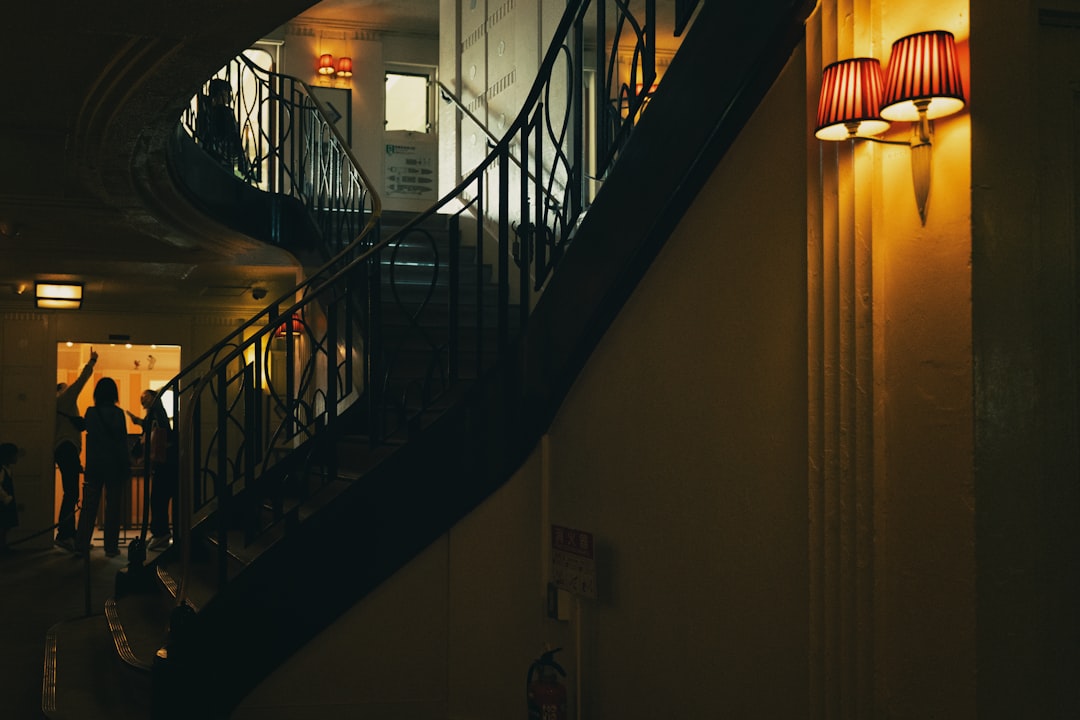
walk into the Royal Opera House on opening night and you instantly feel it: something's different. The lights dim, the orchestra warms up, and before the first note even lands, the set tells you this isn't going to be your grandmother's Tosca.
And that's exactly the point.
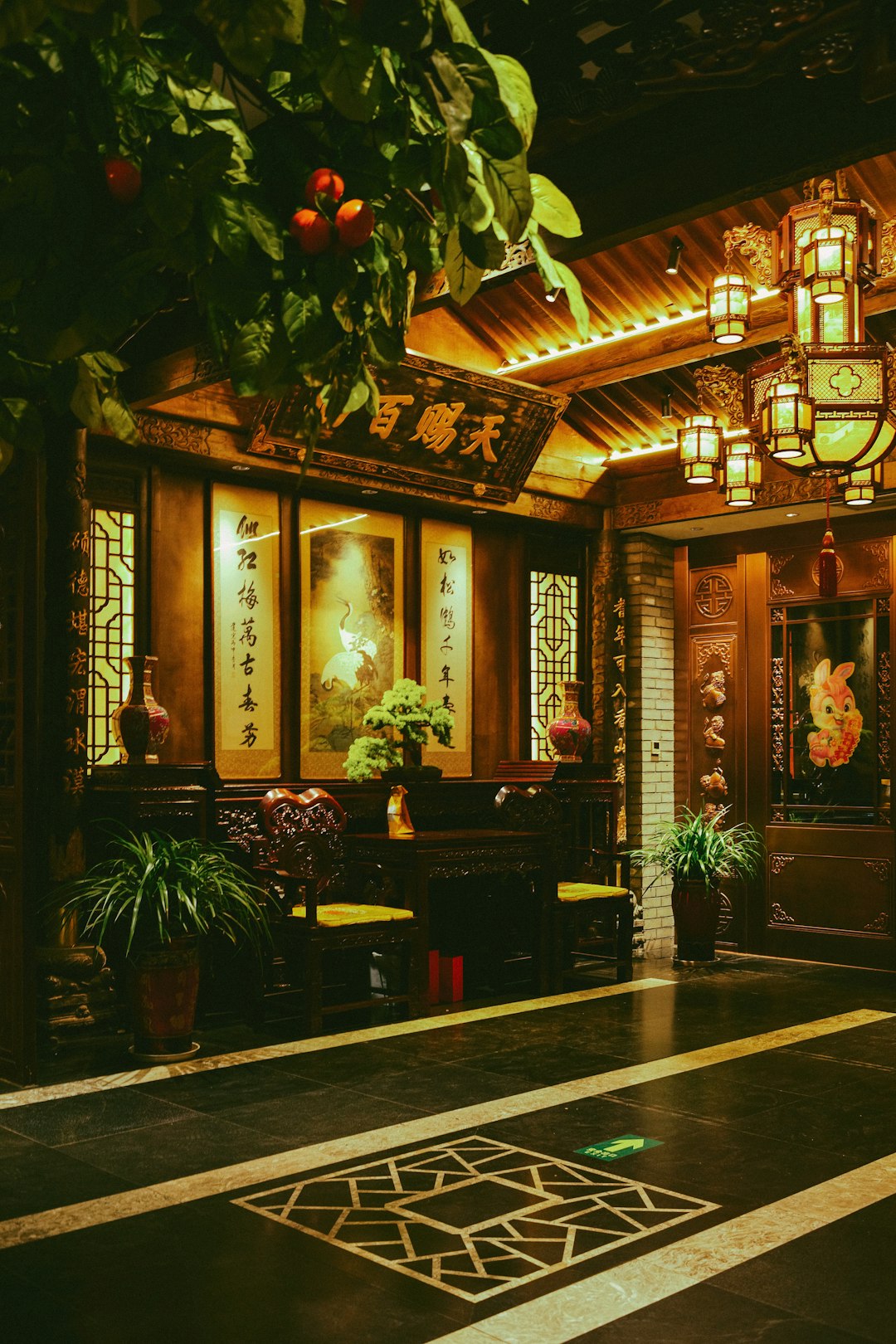
From the second the curtain rises, you're not watching a period piece—you're standing in 19th-century Rome, caught between church power and political intrigue. Thestage design does something clever: it doesn't just recreate the era, it makes you breathe it. Dark stone arches that seem to pulse with the city's moral decay. Candlelight that flickers across Scarpia's office like the moral rot happening inside those walls. Every scenic choice pulls you deeper into a world where opera doesn't just happen—it's a matter of life and death.
The performances carry the weight of that atmosphere. And when I say the lead trio brought it, I mean they brought something you don't usually see in opera these days: genuine, raw humanity.
The Woman Who Stole the Show
Tosca is one of opera's most exhausting roles—emotionally and technically. She swings between worshipful lover and vengeful killer in three acts, and there's no room for coasting. This production's Tosca doesn't just sing the part; she becomes it. Every gesture, every breath feels calculated for emotional impact. When she pleads with Scarpia in Act II, you forget you're watching trained technique—you're watching someone beg for their life.
Then there's Cavaradossi. Often the weaker link in productions, this guy brought the goods. His "E lucevan le stelle" wasn't just beautiful—it was a man staring at death and finding beauty in the last moments available to him. The kind of performance that makes opera skeptics reconsider the entire art form.
And Scarpia? The villain role easily becomes cartoonish. Not here. This Scarpia exudes threat without raising his voice. The corruption feels systemic, personal, real.
When Tradition Meets Tomorrow
Here's what director Anthony Minghella understood: you don't choose between honoring Puccini and making it breathe for 2024 audiences. You do both.
The traditional elements are all there—the gorgeous costumes, the period-accurate staging. But the modern touches hit where it matters. A spotlight here, a silent moment there, a directorial choice that makes these 19th-century problems—church corruption, political torture, artistic censorship—feel less like history and more like uncomfortable parallels.
The "Vissi d'arte" aria usually stops the show. In lesser productions, it's an audition piece. In this production, it's a woman screaming at the universe about her wasted devotion. The audience went quiet in a way I've only experienced a handful of times in live performance.
The Bottom Line
The Royal Opera House didn't just open their season with Tosca. They reminded everyone why opera matters at all. Not as museum piece, not as historical artifact—but as the raw, emotional, absolutely relevant art form it was always meant to be.
If the rest of the 2024-25 season matches this energy, this will be the year London remembers. One performance in, and I'm already counting down to the next.