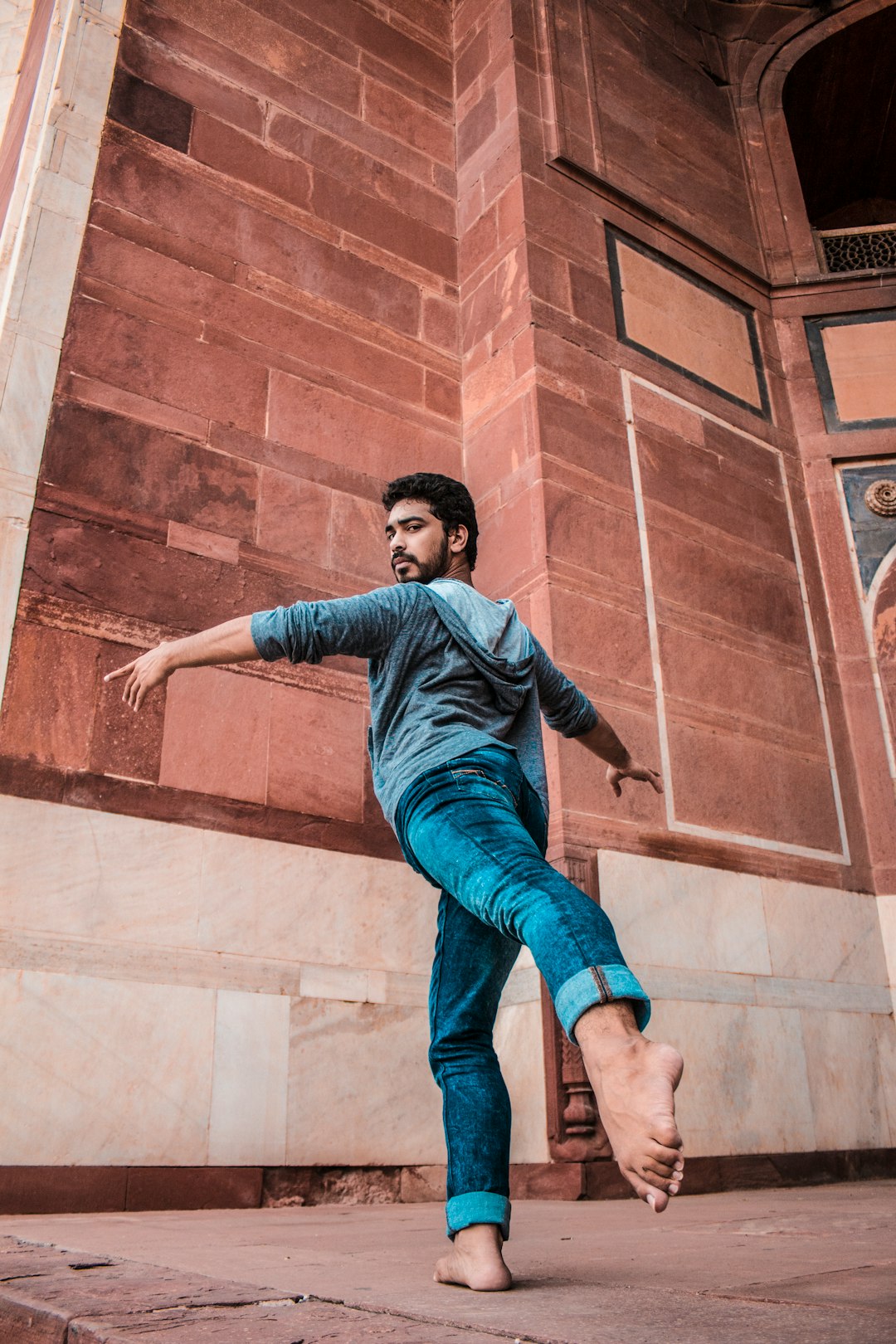
You've nailed the basics—pliés are deep, your tendus track correctly, and you can execute a clean single pirouette on a good day. But something's stuck. Your teacher keeps correcting the same habits. Your extensions won't climb higher. And that double pirouette? It remains stubbornly out of reach.
Welcome to intermediate ballet: the make-or-break phase where dancers either build technical mastery or cement limitations that follow them for years. This guide cuts through generic advice to address the specific mechanical, artistic, and physical challenges that define this level.
First, a Reality Check: Are You Actually Intermediate?
Ballet training lacks standardized levels, so "intermediate" means different things at different studios. Before adopting this curriculum, honestly assess:
| You're likely intermediate if... | You might still be advanced beginner if... |
|---|---|
| You take class 3–4+ times weekly | You attend sporadically or once weekly |
| Single pirouettes en dehors are consistent | Turns frequently travel or collapse |
| You understand and can demonstrate épaulement | Your upper body remains passive during combinations |
| You can sustain 90°+ extensions briefly | Legs drop below 45° when held |
| You receive corrections about quality, not just positions | Teachers still fix basic alignment regularly |
Plateau indicators: If you've trained at this level for 18+ months without noticeable technical or artistic growth, your practice likely lacks targeted focus rather than effort.
Technical Priorities: What to Fix Now
Turnout Refinement: Activate, Don't Force
Intermediate dancers often mistake maximum rotation for correct rotation. The result: gripping glutes, tucked pelvises, and knees that torque painfully.
The shift: Stop measuring turnout by foot position. Instead:
- Locate your deep six: Lie on your back, knees bent. Place fingertips on the outer hips. Rotate one leg inward and outward slowly—you should feel subtle muscle engagement deep in the hip, not surface glute contraction. That's your piriformis and obturator internus working.
- Standing application: In first position, imagine the femoral heads screwing outward within the hip sockets while the sitz bones drop toward the floor. The feet will find their honest turnout without gripping.
- Test: Can you maintain this activation through a slow grand plié? If the pelvis tucks or arches, your turnout is superficial.
Pirouette Mechanics: Clean Before Multiple
The intermediate pirouette obsession is doubles. The reality: a messy double reveals technical gaps; a controlled single with precise finish builds the foundation.
Preparation discipline:
- Fourth position preparation: Back heel down, weight distributed 60/40 toward the front foot. The energy should feel coiled, not collapsed.
- Arm coordination: Leading arm opens to second with the intention of the turn already initiated—not after. The closing of first position arms accelerates rotation; mistiming this kills momentum.
- Spotting: Fix the eyes at eye level, not downward. The head whips last and arrives first. Practice spotting drills separately: chainé turns across the floor with exaggerated head movement.
Landing protocol: The working leg must retiré to the knee with control, not flop down. Land in a deep fourth position with the back knee bent—this absorbs impact and trains the musculature for sustained turns.
Allegro Quality: From Getting Air to Having Ballon
Intermediate jumps often prioritize height over everything. The result: noisy landings, splayed legs, and visible preparation between steps.
Elevation without sacrifice:
- Takeoff: Push through the metatarsals with the heels actively reaching upward—don't just "jump." The plié should feel like loading a spring, not sinking into a chair.
- In the air: Legs brush to position energetically; feet point immediately. For petit allegro, think down to go up—the faster you articulate the coupé or retiré position, the more time you appear suspended.
- Landing: Toes, ball, heel—always. The knees bend deeply to absorb shock, then rebound without visible reset. Practice: sauté in first position, landing silently. If you hear yourself, the sequence failed.
Beaten steps introduction: Intermediate level introduces batterie. Start with entrechat quatre: jump, beat front leg back, back leg front, open to land. The beats happen below you, not by lifting the knees. Use the inner thighs, not the hip flexors.
Adagio Control: Where Strength Meets Artistry
Slow movement exposes every weakness. Intermediate adagio should develop:
- Standing leg stability: The supporting hip must remain over the foot; common collapse into the hip destroys line and balance. Practice: développé devant with hands on barre, focusing solely








